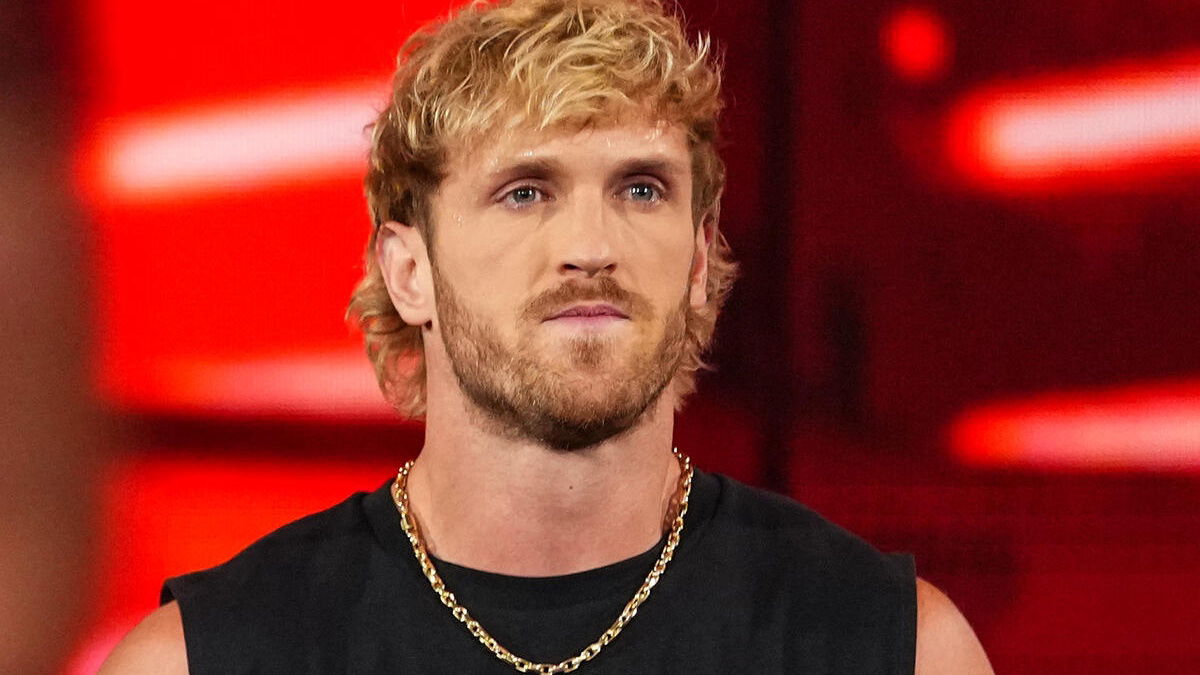
How Logan Paul Built a $350M Fortune
In the digital age, attention is the ultimate currency. Few individuals have mastered the art of capturing, monetizing, and rehabilitating that attention quite like Logan Paul. From his early days on Vine to headlining WWE events and launching a billion-dollar beverage brand, Paul’s journey is a masterclass in modern digital leverage. Understanding how Logan Paul manipulated platforms to build a $350M fortune requires looking past the controversies and examining the cold, calculated mechanics of algorithmic dominance, audience psychology, and vertical integration.
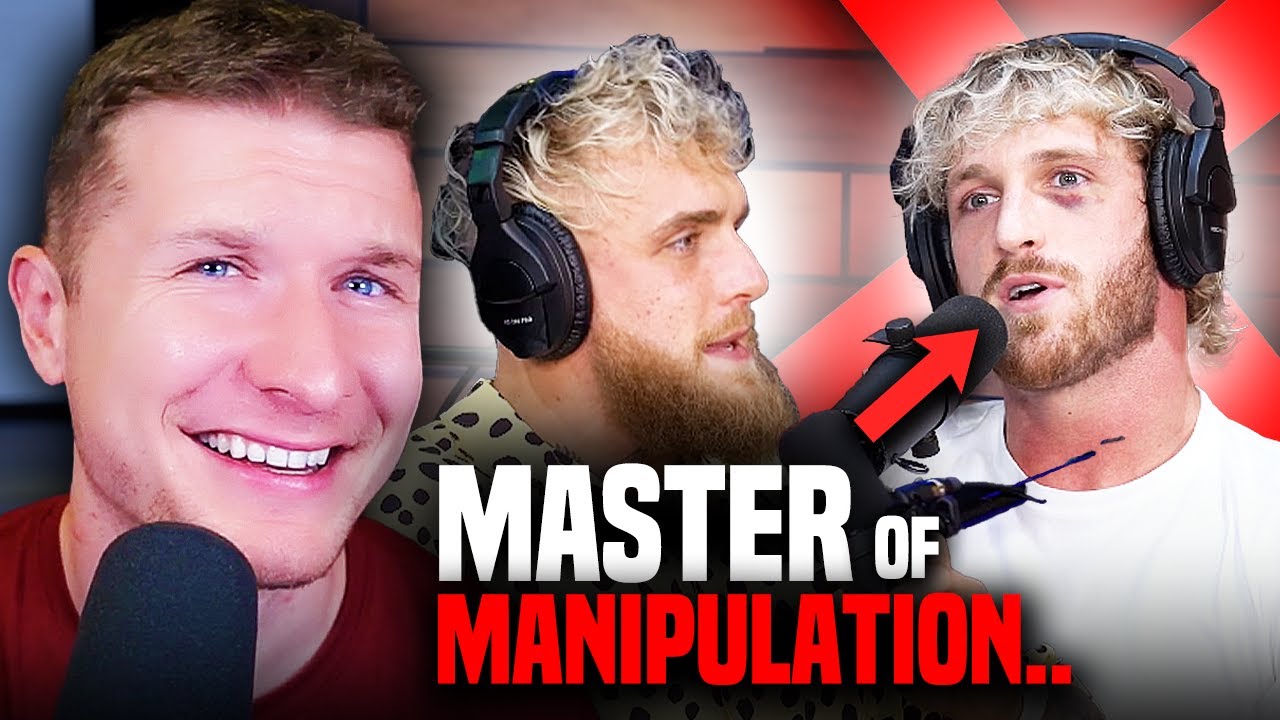
The Algorithm Playbook: Vine, YouTube, and Controversial Leverage
Long before he was selling energy drinks, Logan Paul understood that traditional media rules did not apply to the internet. He started on Vine, where the constraint of six-second loops forced creators to rely on high-energy, visually arresting, and often shocking content. When Vine shut down, he migrated that audience to YouTube, bringing along a hyper-aggressive style of vlogging designed to trigger platform algorithms.
YouTube’s recommendation engine favors high click-through rates, audience retention, and consistent engagement—metrics that thrive on spectacle. Paul weaponized these metrics by:
- Daily Vlogging: Uploading every single day created a habit loop for viewers, while continuously feeding fresh data to YouTube’s recommendation algorithm.
- Thumbnails and Titles: He pioneered the hyper-exaggerated facial expressions and sensationalized titles that became the hallmark of mid-2010s YouTube.
- The Controversy Cycle: Paul intuitively understood that negative engagement still counts as engagement. Even when public outcry reached a fever pitch—most notoriously after his 2017 Japan suicide forest video—the sheer volume of conversation kept his name at the center of the platform's attention economy.
Diversification as a Shield: Transitioning from Creator to Entrepreneur
Relying solely on AdSense is a volatile business model. Creator revenue fluctuates based on advertiser demand, platform policy changes, and public perception. To secure long-term wealth, Paul executed a strategic pivot away from relying purely on ad revenue and toward ownership equity.
Entering Combat Sports and Entertainment
Recognizing that his core demographic overlapped with combat sports fans, Paul leveraged his massive digital footprint to step into the boxing ring. His 2018 amateur boxing match against KSI generated over one million pay-per-view buys and tens of millions in live-gate revenue. This wasn't just a sports event; it was a masterclass in cross-platform promotion, funneling millions of YouTube subscribers into high-ticket transactions.
He later replicated this formula with the WWE, securing a lucrative professional wrestling contract. This move legitimized him in the eyes of traditional sports and entertainment executives, opening doors to mainstream corporate sponsorships that previous digital creators could only dream of.
The Crown Jewel: How PRIME Hydration Weaponized Social Media

The single biggest catalyst for Paul's net worth surging past the $350 million mark is PRIME Hydration, the sports drink brand he co-founded with his former rival KSI in 2022. Instead of building a beverage company the traditional way—spending years on regional distribution and millions on TV commercials—they used their combined social media empires as an instant, zero-cost marketing engine.
The rollout of PRIME was a masterclass in artificial scarcity and platform manipulation:
- Leveraging Fan Communities: They announced the brand to tens of millions of loyal, highly impressionable followers simultaneously, creating instant, massive demand.
- Creating Manufactured Scarcity: By intentionally supplying less product than the market demanded, they sparked bidding wars on secondary markets, schoolyard trading crazes, and viral TikTok reviews.
- The Power of TikTok: Kids and teenagers filming themselves hunting for rare PRIME flavors turned the product into a viral meme, generating millions of dollars in organic user-generated content.
Within its first year, PRIME generated hundreds of millions of dollars in retail sales, proving that modern direct-to-consumer brands can bypass decades of traditional brand-building if the founders command direct attention channels.
The Dark Side: Crypto, NFTs, and Regulatory Scrutiny
No analysis of Logan Paul’s financial ascent is complete without examining his ventures into Web3, cryptocurrencies, and non-fungible tokens (NFTs). While these digital assets contributed significantly to his short-term wealth during the 2021 crypto bull run, they also exposed the risks of aggressive platform monetization.
His disastrous NFT project, CryptoZoo, promised a play-to-earn game that ultimately failed to deliver, leaving many fans out of pocket. Investigative reporting and public backlash led to intense scrutiny, forcing Paul to eventually issue partial refunds and face legal challenges. This episode highlighted the thin line between innovative digital entrepreneurship and exploitative promotion within unregulated online spaces.
The Blueprint for Modern Wealth
Logan Paul’s journey to a $350 million fortune is a defining case study of the modern creator economy. By treating platforms not just as distribution channels, but as programmable systems for capturing human attention, he turned viral notoriety into lasting institutional wealth.
Whether through algorithmic optimization on YouTube, cross-promoting high-stakes combat sports, or orchestrating a viral beverage launch with PRIME, his playbook demonstrates a fundamental truth of the digital age: whoever controls the attention controls the market.