How Long Psilocybin Stays in Your System
Understanding Psilocybin Metabolism

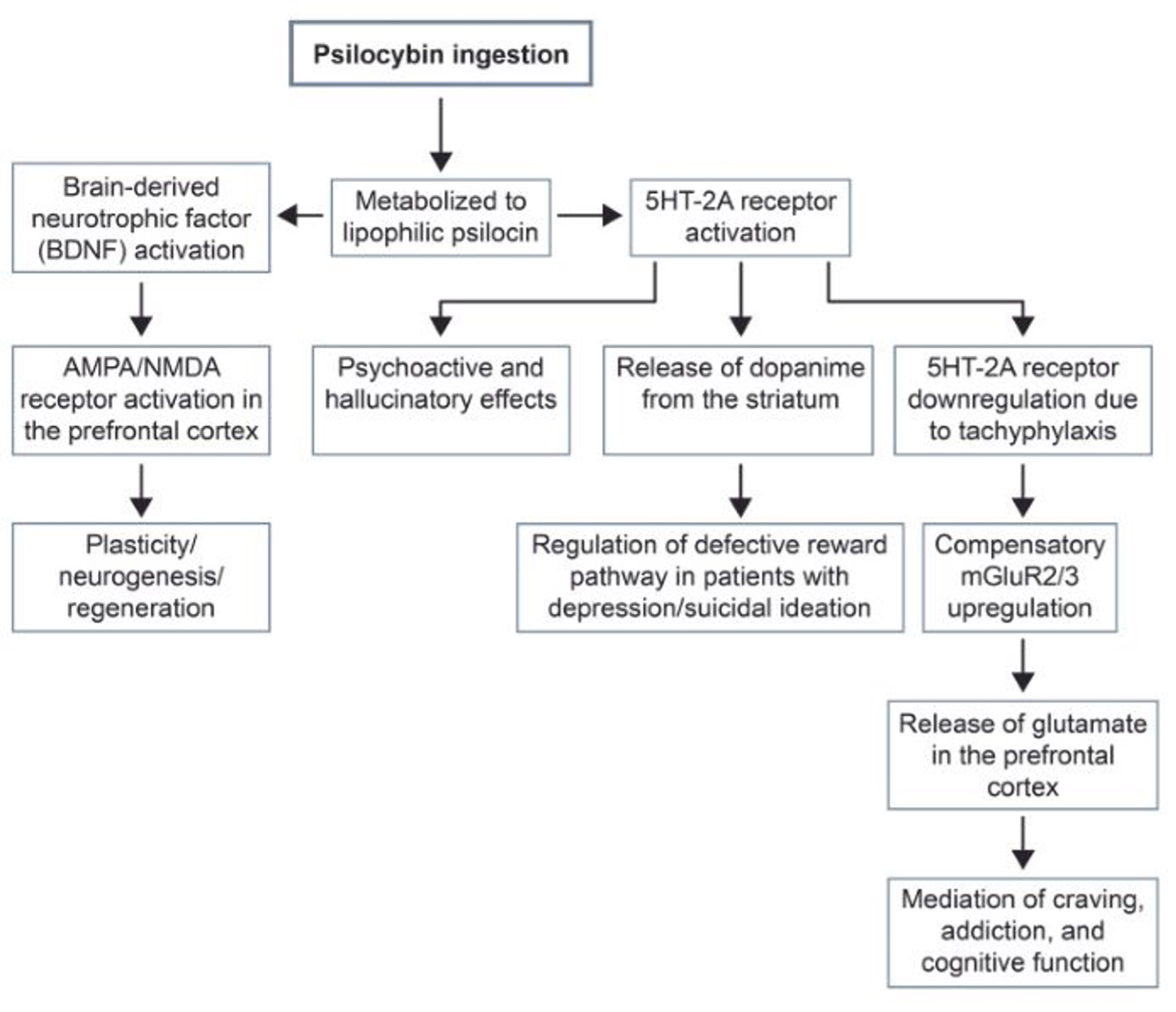
When someone consumes magic mushrooms, their body immediately goes to work processing the active compounds. Psilocybin itself is actually a prodrug. Once ingested, the human body quickly dephosphorylates psilocybin, converting it into its active metabolite, psilocin. This transformation happens primarily in the gut and the liver.
Because the body processes these compounds rapidly, understanding how long psilocybin stays in your system requires looking at the half-life of psilocin. The elimination half-life of psilocin is relatively short—roughly two to three hours. This means that half of the substance is metabolized and eliminated from the bloodstream every couple of hours. However, just because the active psychedelic effects wear off after four to six hours does not mean the chemical traces instantly vanish from every tissue and fluid in the body.
Standard Detection Times by Test Type
While standard 5-panel or 10-panel workplace drug screens typically do not test for psilocybin or psilocin, specialized panels, comprehensive forensic screens, or specific government screenings can detect them. Detection windows vary widely depending on the type of biological sample being analyzed.
Urine Tests
Urine testing is the most common method for detecting illicit substances, though it is rarely used for psilocybin outside of specialized forensic investigations. Psilocybin and its metabolites are primarily excreted through the kidneys into the urine.
- Detection Window: Typically 24 to 72 hours after consumption.
- Factors: Heavy use or sluggish kidney function can slightly extend this window, but most traces are cleared within three days.
Blood Tests
Blood tests offer a very short detection window because psilocin is cleared from the bloodstream rapidly as it is metabolized and distributed to tissues.
- Detection Window: Usually within 2 to 6 hours, rarely exceeding 12 hours.
- Use Case: Blood tests are practically only used in emergency medical settings to check for toxicity or in specific law enforcement investigations following accidents.
Because the active window is so brief, routine blood draws are entirely ineffective for detecting casual past use.
Saliva Tests

Saliva testing is favored for roadside or workplace screenings because it is non-invasive. However, psilocin does not linger in oral fluids for very long.
- Detection Window: Up to 24 to 48 hours.
- Limitations: Like blood tests, saliva testing for psilocybin is rare and generally restricted to specialized research or targeted forensic settings.
Hair Follicle Tests
Hair follicle testing offers the longest historical window of detection for most drugs, as metabolites become trapped in the protein structure of growing hair strands.
- Detection Window: Up to 90 days (standard head hair length).
- Reality Check: Testing hair for psilocybin and psilocin is extremely uncommon, expensive, and technically difficult due to the low concentrations deposited in hair compared to substances like cocaine or opioids. Most standard commercial labs do not offer psilocybin hair screening.
Key Factors That Influence Elimination
Even though general timelines exist, no two bodies process substances at the exact same rate. Several biological and situational factors influence how quickly psilocybin clears your system:
- Metabolic Rate: Individuals with faster natural metabolisms process and eliminate compounds more quickly than those with slower metabolic rates.
- Liver and Kidney Function: Because the liver metabolizes psilocybin and the kidneys excrete its metabolites, any impairment in organ function can prolong the elimination process.
- Dosage and Frequency: A microdose clears the body much faster than a heavy recreational dose. Furthermore, chronic, frequent use can lead to temporary accumulation, though physical tolerance builds rapidly with psychedelics.
- Hydration and Diet: Staying well-hydrated supports renal function, aiding the body in flushing water-soluble metabolites through urine more efficiently.
Do Standard Drug Tests Screen for Mushrooms?
A common concern for individuals is whether standard employment drug screens will flag magic mushrooms. The short answer is no. Standard 5-panel drug tests screen for:
- THC (Cannabis)
- Cocaine
- Phencyclidine (PCP)
- Amphetamines (including methamphetamines)
- Opiates (heroin, morphine, codeine)
Expanded 10-panel tests may include barbiturates, benzodiazepines, methadone, propoxyphene, and oxycodone. Psilocybin is absent from standard occupational panels because specialized, costly gas chromatography-mass spectrometry (GC-MS) or liquid chromatography-tandem mass spectrometry (LC-MS/MS) equipment is required to isolate and identify psilocin metabolites accurately.
Summary of Elimination Timelines
In summary, while psilocybin produces profound psychological effects that last several hours, the physical traces leave the body remarkably fast. Blood and saliva tests capture a window of just a few hours to a day, urine tests clear within one to three days, and hair tests—while theoretically capable of showing a 90-day history—are rarely deployed for this specific substance. For most practical purposes, the body naturally metabolizes and eliminates these compounds within 24 to 72 hours.