How Many 6 AWG Fit in 3/4 EMT? NEC Fill Guide
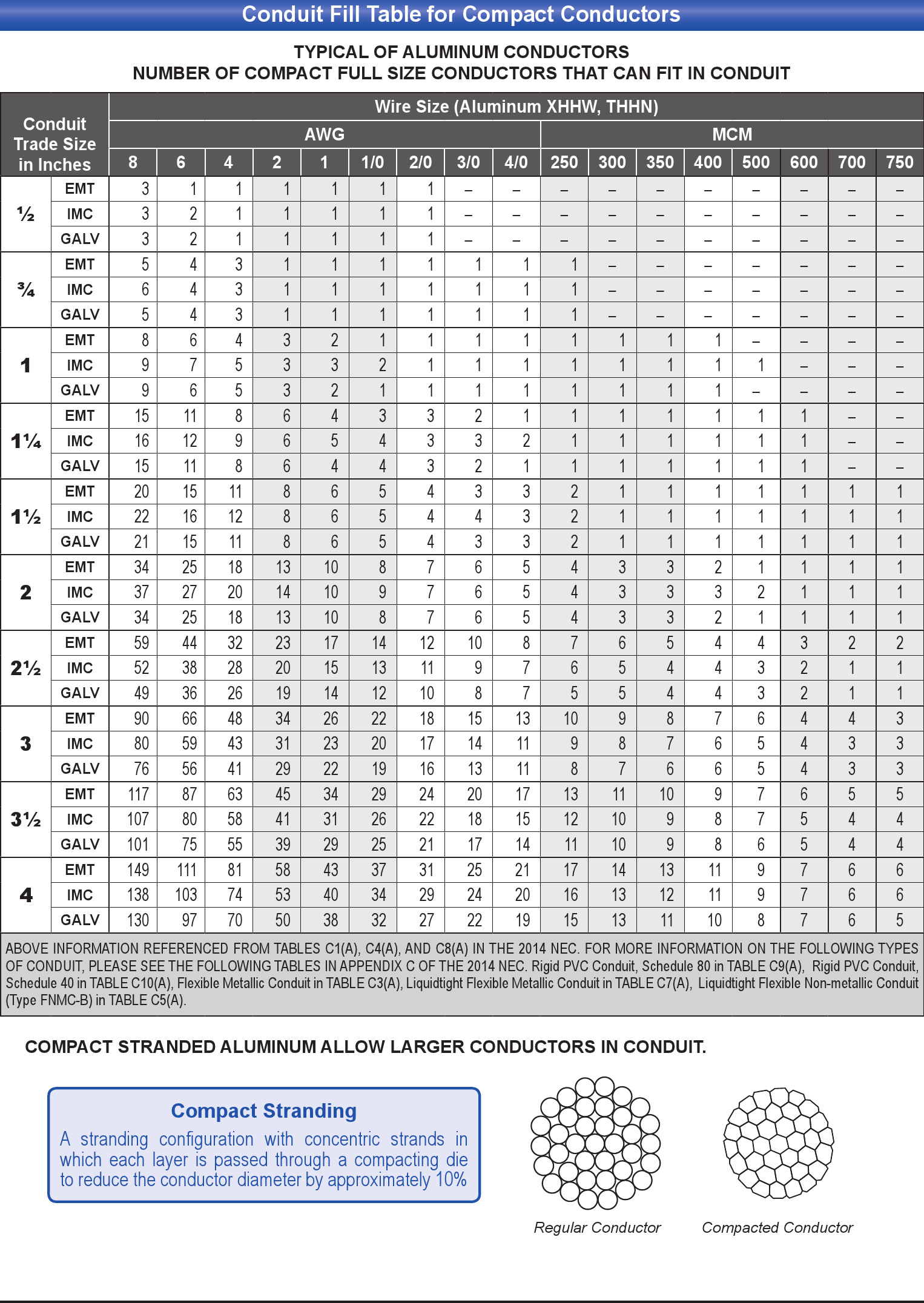
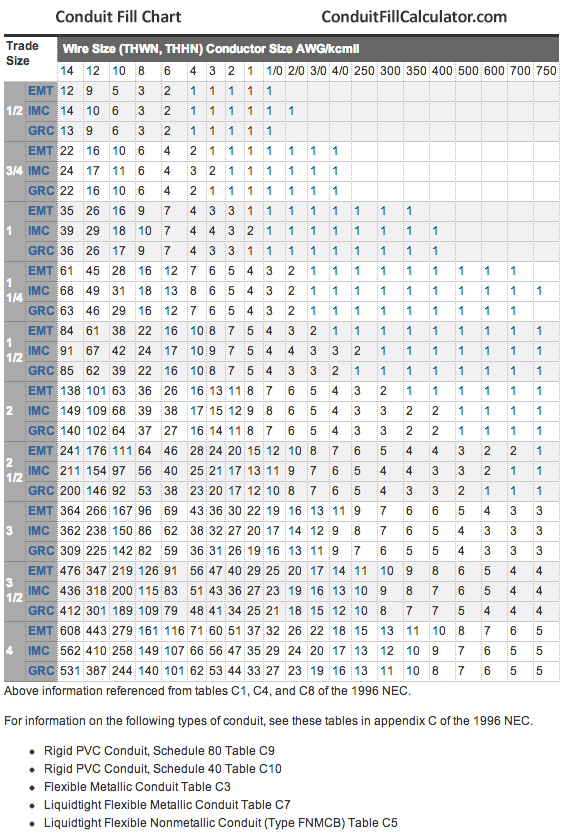
When planning a feeder run for a subpanel, EV charger, or heavy workshop equipment, electricians and DIYers often ask: how many 6 awg fit in 3/4 emt? According to the National Electrical Code (NEC), you can install up to four 6 AWG THHN/THWN-2 conductors inside a 3/4-inch Electrical Metallic Tubing (EMT) raceway. However, that number drops to three if you use thicker wire types like XHHW-2, and ampacity adjustment factors may force you to rethink your pipe size entirely.

Exceeding raceway capacity creates excessive friction during pulls, damages wire insulation, and causes dangerous heat buildup during operation. Here is a breakdown of the NEC fill calculations, insulation impacts, and real-world factors you need to know before pulling wire.
Conduit Fill Rules: How Many 6 AWG Fit in 3/4 EMT?
The standard reference for raceway capacity is NEC Chapter 9, Table 1, which sets limits on the percentage of conduit cross-sectional area that conductors may occupy:
- 1 wire: 53% maximum fill
- 2 wires: 31% maximum fill
- 3 or more wires: 40% maximum fill
Because most 6 AWG applications involve multiple conductors (such as hot, neutral, and ground conductors), the 40% fill limit applies. According to NEC Chapter 9, Table 4, a standard 3/4-inch EMT conduit has a total internal area of 0.533 square inches. At the 40% threshold, your available space is:
0.533 sq. in. × 0.40 = 0.213 sq. in.
To determine how many conductors fit, divide this usable space by the cross-sectional area of your specific wire type found in NEC Chapter 9, Table 5.
Conductor Insulation Types and Capacity Limits
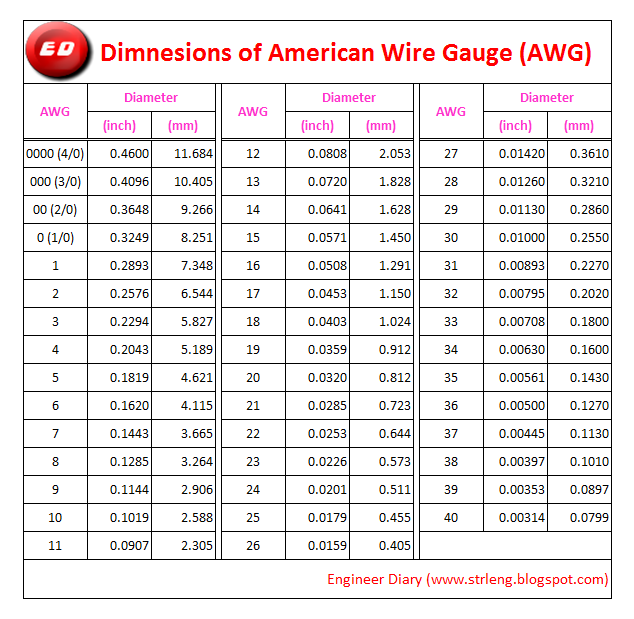
Conductor capacity depends heavily on insulation thickness. While the copper core of a #6 gauge wire remains identical, different insulation jackets alter the outer diameter significantly.
1. 6 AWG THHN / THWN-2
THHN (Thermoplastic High Heat-resistant Nylon-coated) is the most common wire pulled in commercial and residential conduit runs. Its relatively thin thermoplastic jacket keeps the overall diameter compact.
- Approximate area per conductor: 0.0507 sq. in.
- Calculation: 0.213 sq. in. ÷ 0.0507 sq. in. = 4.20
- Maximum permitted: 4 conductors
2. 6 AWG XHHW / XHHW-2
XHHW uses cross-linked polyethylene insulation, making it more moisture-resistant and durable than standard THHN, but noticeably thicker.
- Approximate area per conductor: 0.0590 sq. in.
- Calculation: 0.213 sq. in. ÷ 0.0590 sq. in. = 3.61
- Maximum permitted: 3 conductors
3. 6 AWG TW and UF-B
Older TW insulation is substantially bulkier (0.0726 sq. in.), limiting you to only two conductors in 3/4" EMT (under the 31% two-wire rule of 0.165 sq. in.). Multiconductor sheathed cables like UF-B or Romex (NM-B) should rarely, if ever, be pulled through 3/4" EMT because their flat or oval shapes quickly exceed maximum cross-sectional limits.

Factoring in the Equipment Grounding Conductor
All conductors inside the conduit count toward the NEC 40% fill calculation, including bare or green equipment grounding conductors (EGC). If your circuit requires two ungrounded (hot) legs, one neutral, and one grounding wire, all four contribute to the volume.
Under NEC Article 250.122, an equipment ground for a 60-amp circuit can be a smaller 10 AWG copper wire. A common setup inside 3/4" EMT is:
- Three 6 AWG THHN conductors:
3 × 0.0507 = 0.1521 sq. in. - One 10 AWG THHN conductor:
1 × 0.0211 = 0.0211 sq. in. - Total Area Occupied: 0.1732 sq. in.
Since 0.1732 sq. in. is well below the 0.213 sq. in. threshold, this combination passes code with room to spare.
Additionally, NEC 358.60 permits EMT itself to serve as the equipment grounding conductor when installed with listed fittings. If your local jurisdiction permits EMT grounding and your installation meets mechanical integrity requirements, you may omit the separate green ground wire, saving space inside the pipe.
Ampacity Derating and Thermal Considerations
Physical fit is only half the battle. When you install more than three current-carrying conductors in a single raceway, you must apply ampacity adjustment factors in accordance with NEC Table 310.15(C)(1).
- 1 to 3 current-carrying conductors: 100% of rated ampacity (no derating)
- 4 to 6 current-carrying conductors: 80% adjustment factor
- 7 to 9 current-carrying conductors: 70% adjustment factor
Standard 6 AWG copper THHN has an ampacity rating of 75 amps at 90°C (NEC Table 310.16). If you pull four current-carrying conductors (for example, two separate 120V circuits sharing the pipe, or a 3-phase system with an unbalanced neutral):
75A × 0.80 = 60A
Because equipment termination lugs on standard residential panels and breakers are rated for 75°C (where 6 AWG is rated for 65 amps), your maximum continuous load capacity remains limited by the terminal rating after derating. If your calculated load exceeds 60 amps, you cannot pull four current-carrying 6 AWG wires in that raceway without upgrading to a larger conductor or separating the circuits.
Practical Pulling Tips for #6 Wire in 3/4" EMT
Meeting code on paper does not guarantee an easy installation in the field. Pulling heavy gauge wire through conduit can quickly become exhausting if you do not plan ahead.
- Count Your Bends: NEC 358.26 limits bends between pull points to 360 degrees (four 90-degree elbows). For 6 AWG wire, try to keep total bends under 270 degrees. Pulling through three tight 90s in 3/4" pipe requires substantial force.
- Use Wire Pulling Lubricant: Even though four 6 AWG THHN wires fit legally within the 40% envelope, the friction against the steel conduit walls can strip the outer nylon coating. Apply a generous coating of clean, water-based pulling lube.
- Stagger Conductor Heads: When taping your conductors to the fish tape, stagger the wire ends by 1 to 2 inches. Taping four #6 conductors side by side creates a wide, rigid knot that can easily catch on conduit couplings.
- Beware the Jam Ratio: When pulling three conductors into a raceway, if the ratio of the conduit inside diameter to the conductor outside diameter falls between 2.8 and 3.2, conductors can wedge alongside each other in a flat plane and seize. Fortunately, 6 AWG in 3/4" EMT typically falls outside this danger zone, but smooth, continuous tension remains essential.
When Should You Upsize to 1-Inch EMT?
While 3/4" EMT can legally hold up to four 6 AWG THHN conductors, stepping up to 1-inch EMT is often worth the modest price difference. Upsizing gives you an allowable 40% fill area of 0.346 sq. in., delivering clear practical advantages:
- It cuts pulling tension in half on runs longer than 50 feet.
- It provides flexibility to add future circuits or upsize conductors later.
- It makes navigating conduit bodies (such as LB fittings) far simpler without exceeding minimum wire-bending radius requirements.
In short, if you are running a standard 50-amp or 60-amp circuit using three 6 AWG conductors and a 10 AWG ground, 3/4-inch EMT is fully compliant and adequate. If your run features multiple bends or long distances, stepping up to 1-inch pipe will save you significant time and effort on installation day.