How Many Lives Lost Each Day? Global Statistics
When we look at the big picture of human existence, understanding mortality statistics helps us contextualize public health challenges, safety advancements, and demographic shifts. Many people wonder about the global scale of human mortality and seek to discover how many lives lost each day worldwide. By examining reliable data from organizations like the World Health Organization (WHO) and the United Nations, we can paint an accurate picture of daily global death rates.
The Global Daily Death Toll
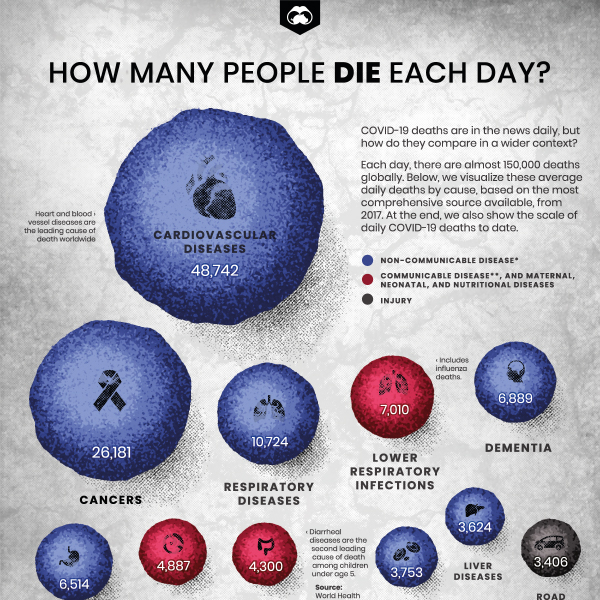
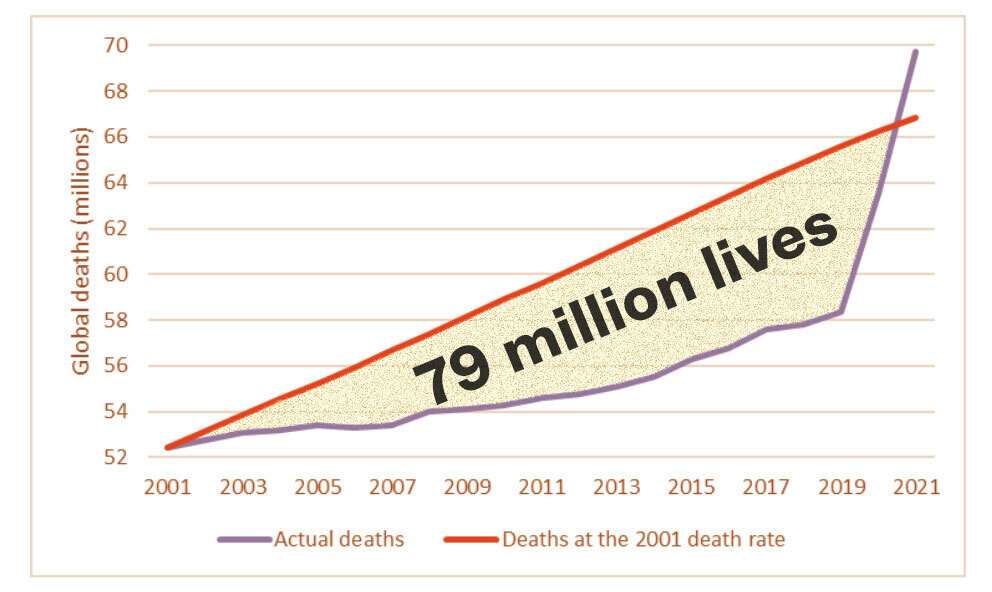
On average, approximately 160,000 to 170,000 people die each day around the world. To put this massive number into perspective, it helps to break it down into smaller increments of time:
- Roughly 7,000 people die every single hour.
- About 115 people pass away every minute.
- Nearly 2 people die every second globally.
These figures fluctuate slightly depending on seasonal changes, severe weather events, global health crises, and conflicts, but they remain remarkably consistent as a baseline baseline for human population dynamics.
Leading Causes of Daily Mortality
Not all deaths happen for the same reasons. The vast majority of lives lost each day are attributed to chronic non-communicable diseases (NCDs), followed by infectious diseases, injuries, and natural causes related to aging.
1. Cardiovascular Diseases
Heart disease and strokes remain the leading cause of death globally. Every single day, tens of thousands of individuals succumb to cardiovascular conditions. This category accounts for roughly a third of all global mortality, highlighting the ongoing crisis of lifestyle-related illnesses, poor diet, and lack of medical access in developing nations.
2. Cancers and Malignant Tumors
Cancer takes millions of lives annually, translating to thousands of deaths daily. Cancers such as lung, liver, stomach, colorectal, and breast cancer affect populations across both developed and developing regions, making oncology research and early detection primary focuses of modern medicine.
3. Infectious and Communicable Diseases
While modern medicine has eradicated or heavily controlled many historic plagues, infectious diseases still claim thousands of lives daily. Respiratory infections, tuberculosis, diarrheal diseases, and malaria remain particularly devastating in low-income regions where sanitation and healthcare infrastructure are limited.
Video: She Was Forced to Marry a Disabled Heir—Neither Knew They Were Childhood Loves | Full | Eng Dub

4. Accidental and Preventable Deaths
Accidents, trauma, and violence also contribute significantly to the daily count. Road traffic injuries, occupational hazards, falls, and drownings account for a substantial portion of premature deaths, particularly among young adults and children.
Births vs. Deaths: The Global Population Balance
To truly understand the number of lives lost each day, we must compare it against the rate of new life entering the world. Demographics is a constant balancing act between fertility and mortality.
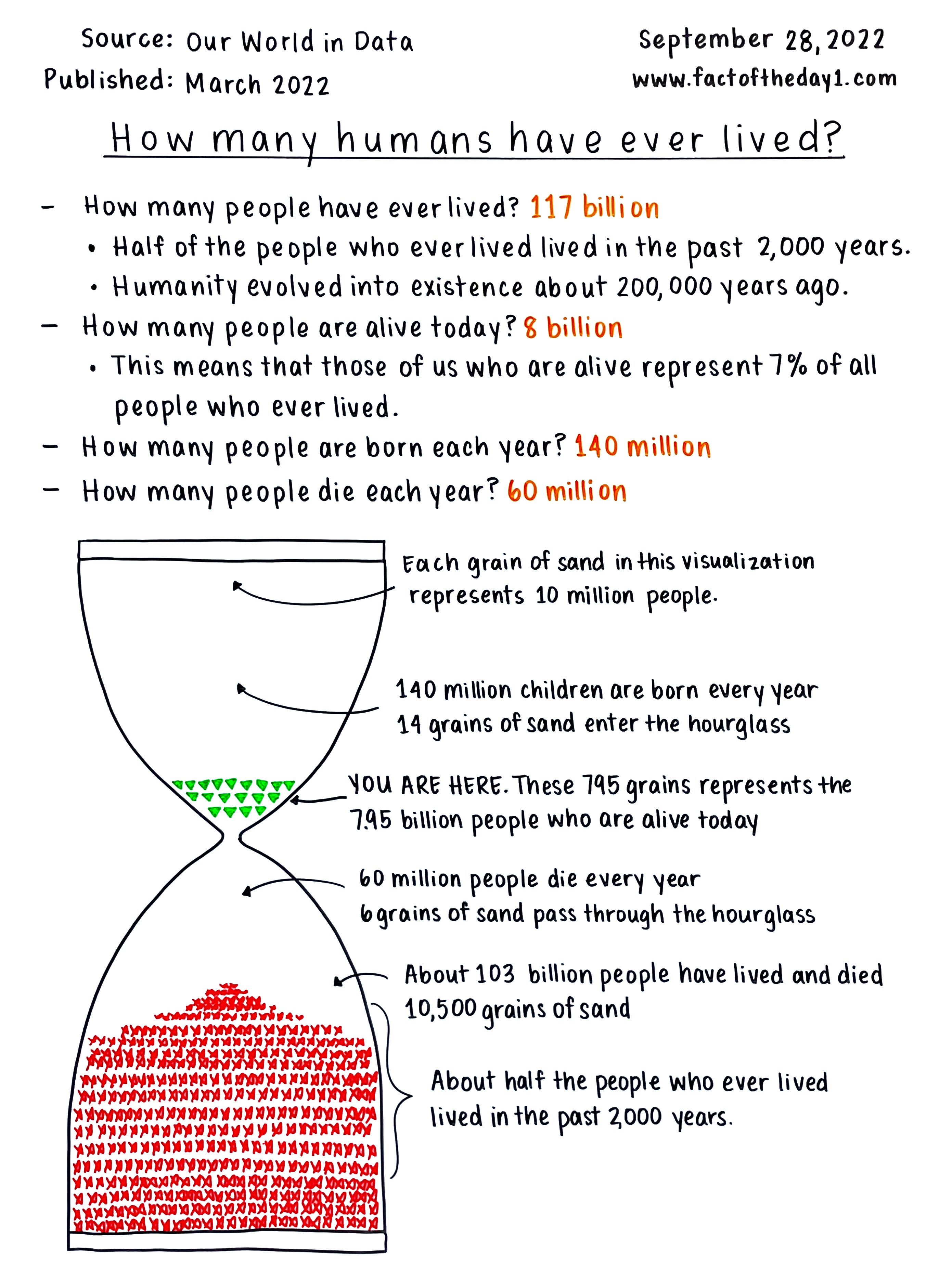
While roughly 160,000 people die each day, an estimated 360,000 babies are born daily worldwide. This means the global population grows by approximately 200,000 people every 24 hours. Even though thousands of lives end constantly, the birth rate significantly outpaces the death rate, driving overall population growth toward milestones of 8 billion and beyond.
Regional Variations in Daily Mortality
Mortality rates are not distributed evenly across the globe. Wealth, healthcare access, age distribution, and regional stability play massive roles in how many lives are lost daily in specific areas.
- Aging Populations in Developed Nations: Countries in Europe and parts of East Asia (like Japan) have older median ages. Consequently, a higher proportion of daily deaths are linked to age-related organ failure and chronic degenerative diseases.
- Developing Regions: In regions with younger populations, such as sub-Saharan Africa, a larger percentage of daily mortality stems from infectious diseases, maternal and neonatal complications, and preventable injuries.
Why Tracking Daily Death Statistics Matters
Gathering and analyzing mortality data is far more than an exercise in morbid curiosity. Public health officials, governments, and NGOs rely heavily on these daily averages to allocate resources effectively.
When data reveals spikes in specific causes of death—such as a new virus, a spike in opioid overdoses, or rising cardiovascular incidents—policy makers can implement targeted interventions, launch public awareness campaigns, and fund medical research. Understanding these numbers ultimately helps humanity save lives, improve quality of life, and extend global life expectancy.
Conclusion
The global reality is that roughly 160,000 lives are lost each day, countered by a much higher number of births that sustain population growth. By looking past the statistics, we see the profound individual stories behind every number. Tracking these trends remains vital for building a healthier, safer, and more resilient global society.