How Much Alcohol Is in Orange Juice? The Surprising Truth
When you sit down for breakfast, the last thing you expect to find in your glass is alcohol. However, food science reveals that many everyday foods, including seemingly innocent fruit juices, contain trace amounts of ethanol. If you have ever wondered how much alcohol is in orange juice, the answer might surprise you—it is generally very low, but it is rarely zero.

Whether you are avoiding alcohol for religious, medical, or personal reasons, or you simply want to know what is in your food, understanding the chemical composition of fruit juice is useful. Let us break down why alcohol is present in orange juice, how much you might actually find, and whether it has any impact on your body.
Why Is There Alcohol in Orange Juice?
To understand the presence of alcohol, we have to look at the biology of oranges and the process of juice production. Oranges naturally contain high levels of fermentable sugars. When fruit ripens, or when it is harvested, juiced, and exposed to the air, natural fermentation processes can begin.
Natural Fermentation
Fermentation is a natural metabolic process where microorganisms like yeast convert sugars into alcohol (ethanol) and carbon dioxide. Yeast spores are ubiquitous in the environment; they exist on the skins of fruits and in the air. The moment an orange is squeezed, wild yeasts and natural bacteria interact with the simple sugars in the juice.
Storage and Spoilage
The longer a container of orange juice sits—especially at room temperature or after being opened—the more time these microorganisms have to consume the sugars. As a result, the ethanol content increases over time. This is why fresh juice left on the counter for a few days begins to taste slightly fizzy or sour; it is literally turning into a very weak wine or vinegar.
How Much Alcohol Is in Orange Juice? Exact Measurements
So, exactly how much alcohol is in orange juice? The concentration varies depending on whether the juice is freshly squeezed, pasteurized, or starting to turn bad.
- Freshly Squeezed Juice: Immediately after squeezing, commercial fresh orange juice typically contains between 0.16% to 0.50% alcohol by volume (ABV).
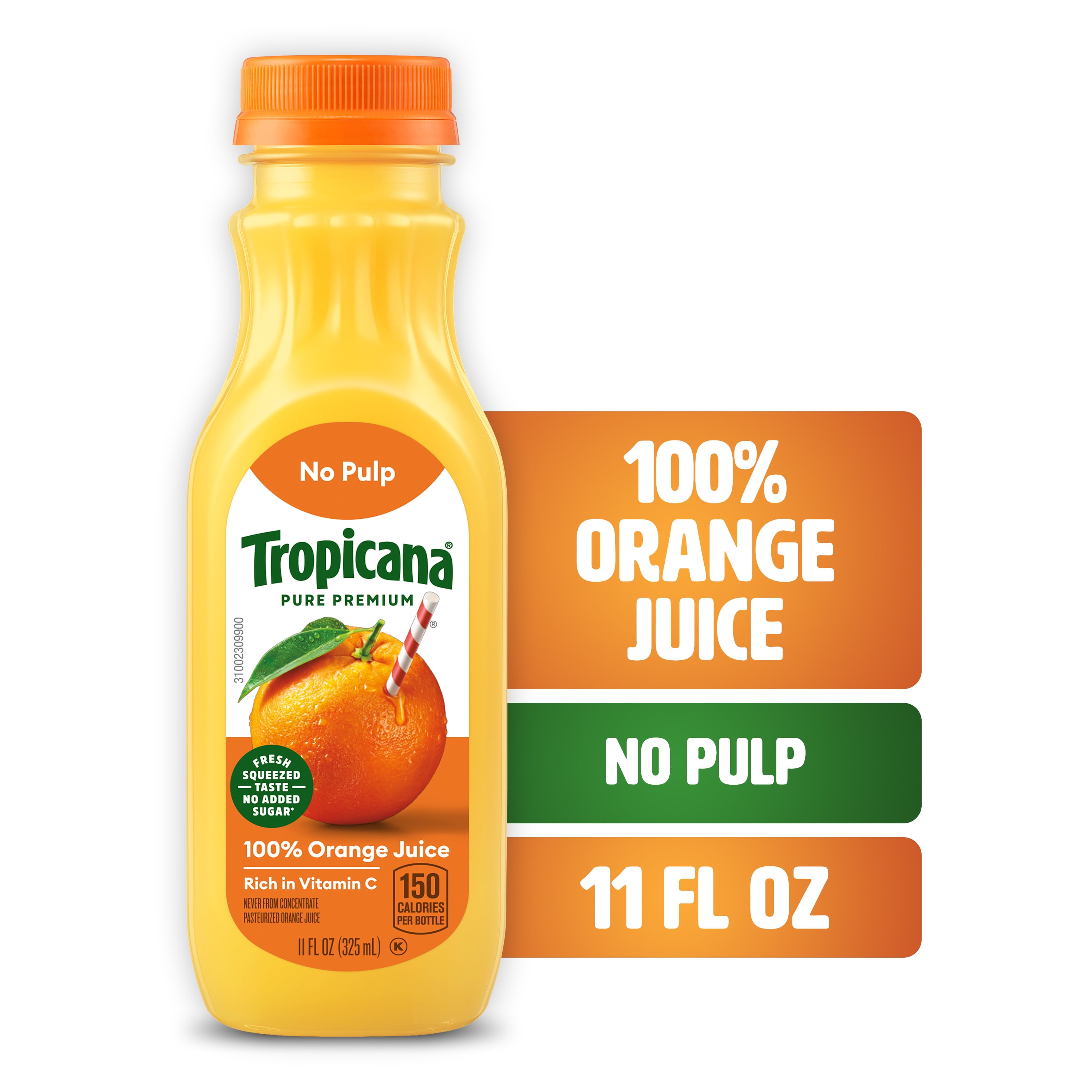
- Commercial Pasteurized Juice: Pasteurized juices found on grocery store shelves usually have much lower trace amounts—often under 0.05% ABV—because the heat treatment kills off most yeasts and bacteria, halting fermentation.
- Overripe or Left-Out Juice: Juice that has been opened for several days or left at room temperature can see alcohol levels rise significantly, sometimes reaching 1% to 2% ABV or higher as active fermentation takes hold.
For context, a standard domestic beer is about 5% ABV, and wine is typically around 12% to 14% ABV. Standard orange juice contains a fraction of a percent, placing it in a similar category to ripe bananas, hamburger buns, and soy sauce—all of which can contain trace ethanol.
Can Drinking Orange Juice Get You Drunk?
For the average adult, the trace amounts of alcohol found in standard, fresh orange juice will not cause intoxication. Your body processes alcohol via the liver enzyme alcohol dehydrogenase at a rate that easily handles these microscopic amounts.
To put it into perspective, you would need to consume an impossibly large volume of standard orange juice in a very short window to feel any psychoactive effects. Long before you reached a blood alcohol concentration (BAC) level of even 0.01%, your stomach would rupture from the sheer volume of liquid.
Special Considerations for Specific Groups
While the average adult has nothing to worry about, certain groups pay closer attention to trace alcohol in food and beverages:
- Recovering Alcoholics: Some individuals in recovery choose to avoid completely unpasteurized or older fruit juices out of an abundance of caution, preferring sealed, highly processed pasteurized options to avoid any triggers of taste or smell.
- Children and Infants: Standard commercial orange juice is completely safe for children. However, freshly squeezed juice left sitting out for days should be avoided not just for trace alcohol, but for the risk of harmful foodborne bacteria like E. coli and Salmonella.
- Religious Restrictions: Many religious dietary laws prohibit alcohol consumption. Generally, naturally occurring trace amounts in fruit juices are considered negligible and permissible, but highly fermented or spoiled juice is avoided.
How to Keep Your Orange Juice Fresh and Alcohol-Free
If you want to minimize any unwanted fermentation and keep your orange juice tasting fresh and clean, follow these storage best practices:
- Refrigerate Immediately: Always store orange juice in the refrigerator. Cold temperatures slow down the activity of wild yeasts and bacteria, preventing fermentation.
- Check the Expiration Date: Buy pasteurized juice with clear expiration dates if you want to ensure the lowest possible risk of bacterial growth and ethanol production.
- Consume Quickly Once Opened: Try to finish a carton of fresh orange juice within 3 to 5 days of opening. If you notice a yeasty smell, fizz, or a sour taste, the juice has begun to ferment and should be discarded.
Conclusion
So, how much alcohol is in orange juice? In short: very little. While natural fermentation means that virtually all fresh fruit juices contain a trace amount of ethanol—typically ranging from 0.05% to 0.5% ABV—it is not enough to cause intoxication. By storing your juice properly in the refrigerator and drinking it fresh, you can enjoy your morning vitamin C safely and without worry.