How Much Are Nosebleed Tickets for the Super Bowl?
Attending the biggest sporting event in North America is on millions of bucket lists, but for most fans, the primary barrier is the price of admission. If you are wondering how much are nosebleed tickets for the Super Bowl, the short answer is that the cheapest seats in the house typically cost between $4,500 and $7,500 on the secondary market. While the NFL lists upper-tier seats at a significantly lower face value, almost no general-public tickets can be purchased at that retail rate.

To plan your budget realistically, you need to understand the gap between face value and resale costs, how dynamic market conditions dictate prices, and what hidden service fees you will encounter at checkout.
The Real "Get-In" Price in Recent Years
In ticket industry terminology, the cheapest available ticket to an event is called the "get-in" price. At the Super Bowl, the get-in price invariably places you in the "nosebleeds"—the highest tiers of the stadium, generally designated as the 300, 400, or 600 level depending on the venue, situated in the upper corners or end zones.
Here is what the lowest secondary market prices looked like for recent Super Bowls in the days leading up to kickoff:
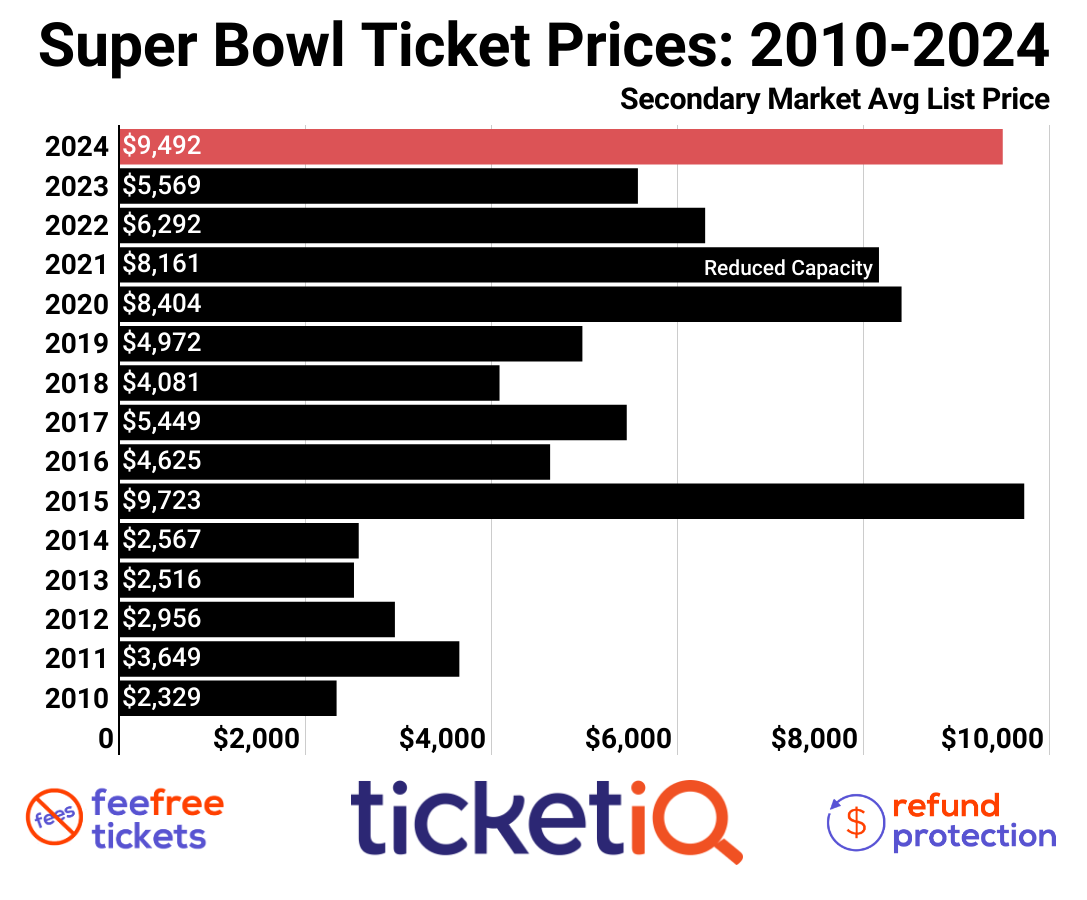
- Super Bowl LVIII (2024, Las Vegas): $6,500 to $8,500 (Vegas location and smaller stadium capacity drove an all-time high floor).
- Super Bowl LVII (2023, Glendale): $4,200 to $5,800.
- Super Bowl LVI (2022, Los Angeles): $4,800 to $6,200.
- Super Bowl LIV (2020, Miami): $4,500 to $6,000.
Except in rare circumstances—such as extreme weather or an undesirable matchup with little fan travel—the floor price for Super Bowl tickets rarely drops below $4,000 in modern NFL history.
Face Value vs. Resale: How Much Are Nosebleed Tickets for the Super Bowl Really?
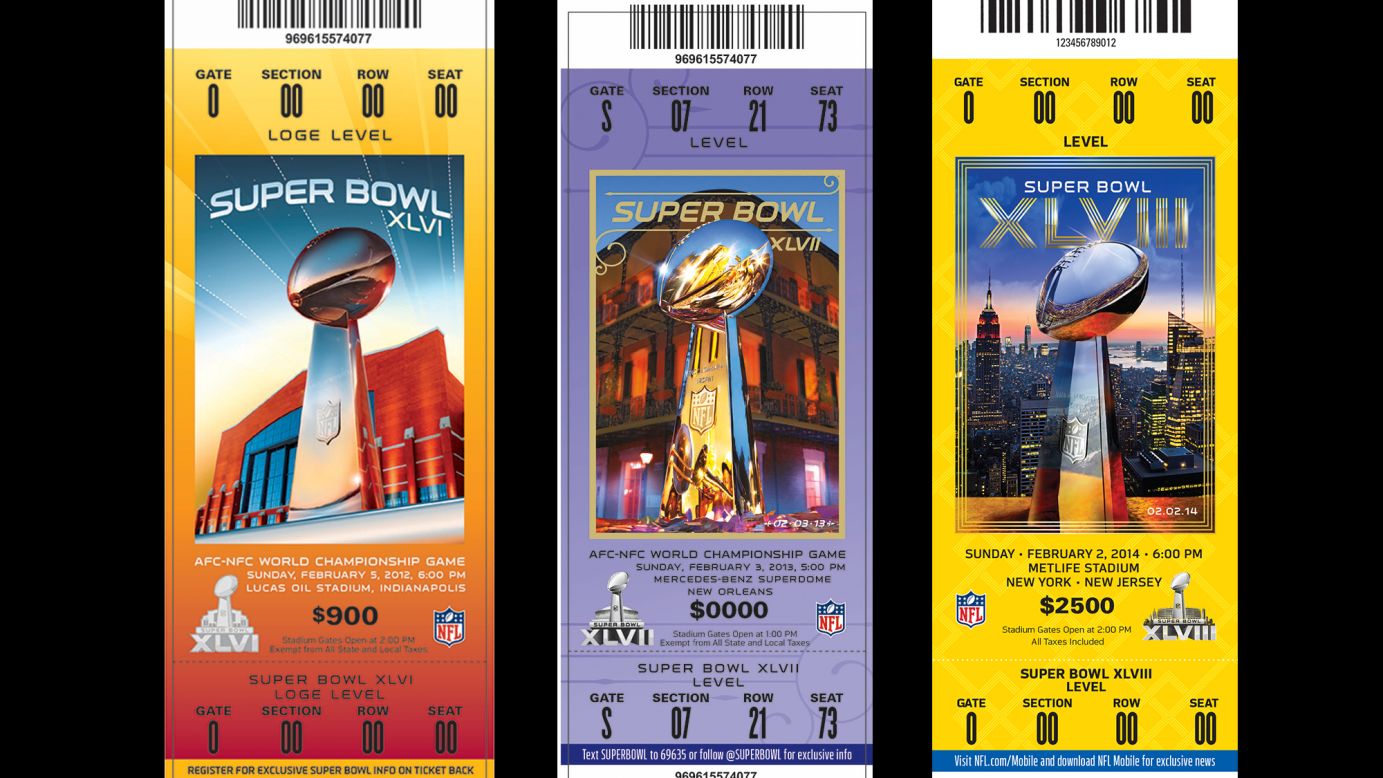
There is a massive disparity between what the NFL charges on paper and what fans actually pay. The face value for upper-level Super Bowl tickets is set by the NFL, usually between $950 and $1,250. However, unless you fall into a very specific category, you cannot simply buy these seats at retail price.
Where Do the Cheap Face-Value Tickets Go?
The NFL distributes its ticket allocation through a strict formula across stakeholders:
- Participating Teams: The two competing teams receive roughly 35% of all tickets combined, mostly raffled off to long-time season ticket holders or distributed to staff and player families.
- Host Team: The team hosting the event receives about 5% of the total inventory.
- Remaining 29 NFL Teams: The other franchises share roughly 33% of the inventory to reward top suite owners and sponsors.
- The NFL League Office: Retains roughly 25% for corporate partners, sponsors, media, and hospitality providers like On Location Experiences.
Because the general public does not get an open primary box-office sale, virtually every standard fan must purchase their upper-deck ticket through secondary platforms such as Ticketmaster, SeatGeek, StubHub, or TickPick.
The Impact of Hidden Buyer Fees
When tracking ticket prices online, remember that the price you see on the map is rarely the price you pay at checkout. Most major ticket exchanges add a buyer fee ranging from 15% to 30%.
If you find an upper-corner seat listed for $5,000:
- A 20% platform fee adds $1,000 to the order.
- Local sales taxes and processing can add another $100 to $300.
- Your final out-of-pocket cost is between $6,100 and $6,300 per seat.
To avoid sudden checkout shock, always toggle the "show prices with fees included" filter on resale sites, or check platforms like TickPick that build fees directly into the listed ticket price.
What to Expect from a Super Bowl Nosebleed Seat
Before spending thousands of dollars on the furthest seat in the building, it helps to understand what the actual game-day experience entails.

Viewing Sightlines
Modern NFL stadiums (like SoFi Stadium in Los Angeles, Allegiant Stadium in Las Vegas, or Mercedes-Benz Stadium in Atlanta) are built with steep seating bowls and massive center-hung video screens. While players will look small on the field from row 25 of the 400-level, you will have an unobstructed, bird's-eye view of team formations and plays developing, supplemented by high-definition videoboards.
Atmosphere and Halftime
The upper decks of the Super Bowl often house the most passionate fans. Lower-bowl seats are frequently filled with corporate guests, sponsors, and celebrities, whereas the upper tiers are largely occupied by die-hard supporters who spent their savings to back their team. You also get the complete view of the elaborate Halftime Show production, which is designed visually to look best from above.
Strategic Timing: When Is the Best Time to Buy?
Super Bowl ticket pricing is highly volatile and fluctuates based on team matchups, geography, and how long you are willing to wait.
The Matchup Surge (Two Weeks Out)
The moment the Conference Championship games conclude on Championship Sunday, ticket prices skyrocket. Fans of the winning teams rush the secondary markets, and speculative brokers capitalize on the surge of emotion. This is almost always the most expensive window to buy upper-deck seats.
The Mid-Week Cooling Period (5 to 8 Days Out)
Around the Tuesday and Wednesday before the Super Bowl, secondary inventory often reaches its peak. Brokers holding excess stock realize they need to sell, and prices usually take their first noticeable dip. This is historically a stable window to secure verified tickets without paying peak post-game premiums.
The 48-Hour Gamble (2 Days Out to Kickoff)
If you live near the host city or have already arranged travel, waiting until Friday, Saturday, or even Sunday morning can pay off. Unsold broker tickets are dropped to liquidate before they expire worthless. However, this is a calculated risk: if a popular team's fan base floods the city without tickets, late demand can unexpectedly cause prices to spike rather than drop.
Other Costs to Budget Alongside Nosebleed Tickets
A Super Bowl trip involves much more than the ticket itself. Host cities experience massive surge pricing for the entire week of the event.
- Airfare: Flights into the host city typically cost double or triple their standard rates. Consider flying into an airport 60 to 90 minutes away to save hundreds.
- Hotels: Major hotels typically enforce 3- or 4-night minimum stays with rates jumping from $150 to $600+ per night.
- Stadium Parking: Official on-site parking passes for the Super Bowl often run between $150 and $400 alone. Public transit or ride-share drops outside the security perimeter are often more economical.
Final Thoughts
If you want to experience the Super Bowl in person, budget at least $5,000 to $6,000 per person for nosebleed tickets after all fees are calculated. Monitor the secondary market calmly, beware of emotional price spikes immediately following the championship games, and only purchase through verified ticket marketplaces offering 100% buyer guarantees.