How Much Are Uhaul Trucks? One Mistake That Cost Me Hundreds!
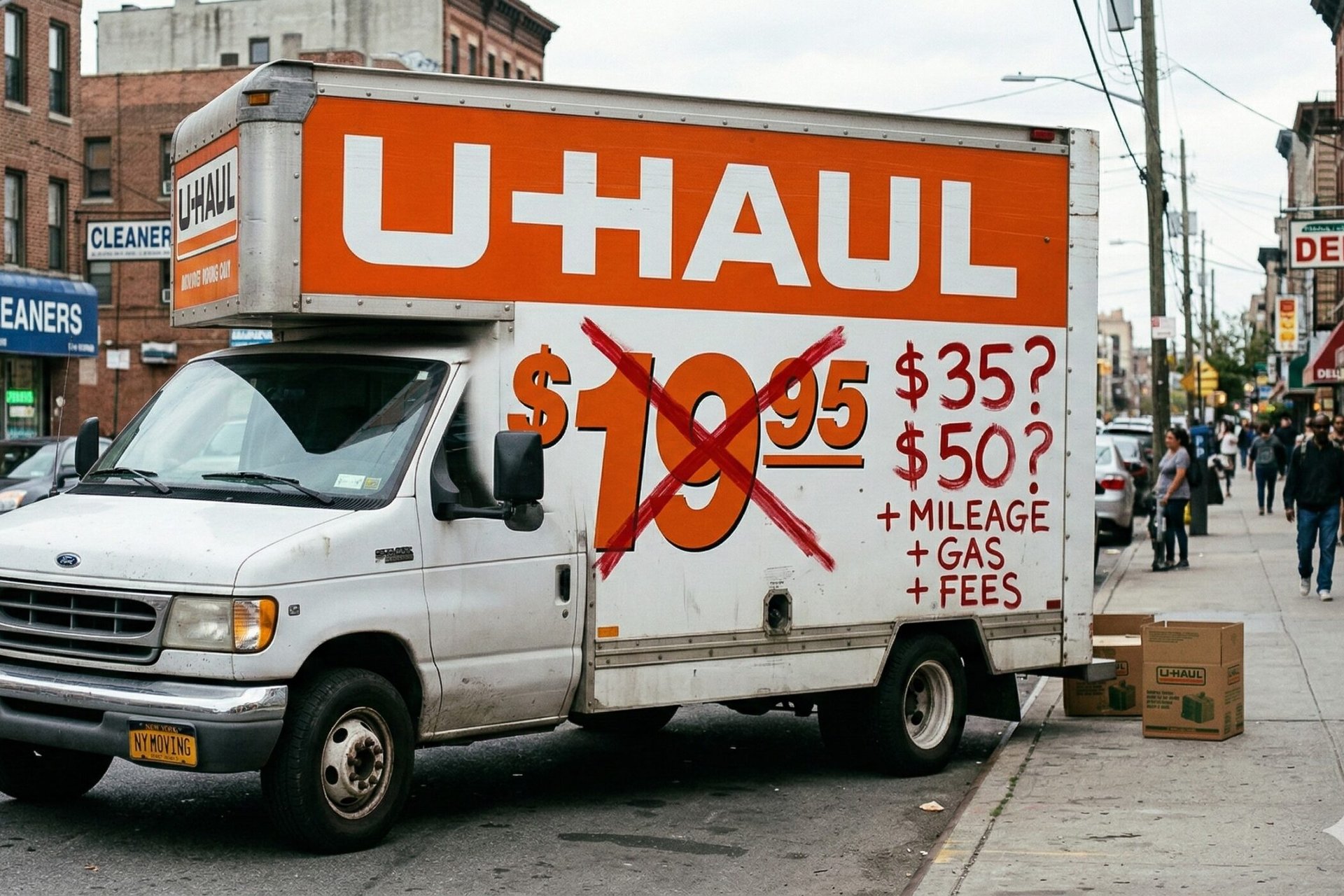
When you are planning a move, keeping costs down is usually the top priority. That is why millions of people turn to U-Haul for DIY moving solutions. But if you are asking yourself, How much are Uhaul trucks?, you likely already know that the sticker price on the website rarely tells the whole story.
When I rented a 15-foot box truck for a local move last summer, I thought I had budgeted down to the exact dollar. By the time I dropped the keys off, my final bill was nearly $300 higher than my initial estimate. That painful experience taught me a hard lesson about how moving companies structure their pricing—and it all came down to one critical mistake.
In this guide, we will break down the true costs of renting a U-Haul, examine the variables that change your quote, and reveal the exact mistake that cost me hundreds so you can avoid it.
Understanding U-Haul Base Rates
To understand the final cost, you first need to look at how U-Haul calculates its baseline fees. Unlike car rental companies that often bundle mileage, U-Haul separates its charges into two distinct categories: the base rental fee and the mileage/per-day fee.
In-Town vs. One-Way Rentals
Your pricing structure changes completely depending on your moving route:
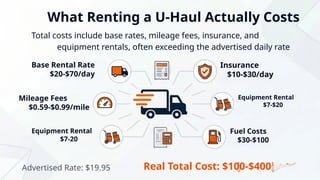
- In-Town Rentals: If you are picking up and dropping off the truck at the same location, you typically pay a lower daily base rate (ranging from $19.99 for cargo vans to $39.99+ for larger trucks), plus a separate fee for every mile you drive (usually around $1.00 to $1.20 per mile).
- One-Way Rentals: If you are picking up the truck in one city and dropping it off in another, you pay a flat rate for a set number of allowed miles and days. Extra days or miles come with steep penalty fees.
Hidden Fees to Watch Out For
The base rate is just a teaser. When calculating how much a U-Haul truck will actually cost, you must account for several mandatory and optional fees that sneak onto your invoice.
Environmental and State Fees
Depending on where you live and rent, U-Haul tacks on small regulatory fees, state taxes, and environmental fees. These are usually a few dollars here and there, but they add up.
Equipment and Accessories
Need furniture pads, a hand truck, or a tow dolly? None of these are free. Renting a dozen moving pads might cost $10–$15, while a utility dolly adds another $10. If you are towing a car behind your truck, expect to pay anywhere from $150 to $200 extra for a tow dolly or auto transport trailer.

Moving Insurance Protection
U-Haul offers Safemove and Safemove Plus coverage to protect against truck damage and cargo loss. These plans range from $15 to over $100 depending on the level of coverage. While it feels like an upsell, skipping it carries real risk if something goes wrong.
The One Mistake That Cost Me Hundreds
Here is where my move went completely off the rails. To save time on moving day, I decided to handle the fuel refill myself. I figured I would just stop at a gas station near the drop-off location and top off the tank.
This was the ultimate mistake. I failed to account for U-Haul's exorbitant refueling fees.
When I picked up the truck, the fuel gauge sat exactly at the three-quarter mark. Under U-Haul policy, you must return the vehicle at the exact same fuel level. By the time I finished unloading, I was exhausted, running late, and completely stressed. I rushed to drop the truck off without stopping for gas, assuming I would just pay a fair price for the few gallons missing.
U-Haul charged me a flat refueling service fee of $30 *plus* roughly $5.50 per gallon for the missing fuel—nearly double the local gas station price at the time. Because the truck burned through fuel faster than I anticipated during the final leg of the trip, that oversight added nearly $150 in surprise penalties to my final receipt.
How to Lower Your U-Haul Bill
My expensive mistake taught me how to game the system legitimately and keep moving costs under control. Follow these practical tips to keep your U-Haul rental affordable:
- Pre-pay for fuel or map your gas stops: If you choose the self-refuel option, build 30 minutes into your schedule to fill up *before* you reach the drop-off location. Alternatively, look into U-Haul's fuel pre-payment options if available, though tracking your own usage carefully is usually cheaper.
- Pick off-peak days: Moving at the end of the month or on a Saturday costs significantly more. If you can move mid-week or mid-month, truck rates drop substantially.
- Book the right size: Renting a truck that is too small means making two trips, doubling your mileage and fuel costs. Renting one that is too massive wastes fuel. Use U-Haul's online estimator carefully.
- Audit your mileage: For in-town moves, map out your exact route beforehand. Avoid unnecessary detours to lunch or hardware stores using the moving truck.
Final Thoughts
So, exactly how much are Uhaul trucks? For a standard local move, you might walk away spending $100 to $200. For a one-way cross-country move, expect to pay anywhere from $1,000 to $3,000+ once you factor in fuel and mileage.
More importantly, remember that your final bill is entirely dependent on your attention to detail. Do not let exhaustion or poor planning trick you into paying hefty refueling fees or unnecessary insurance add-ons. Plan your fuel stops in advance, track your mileage, and keep your move on budget!