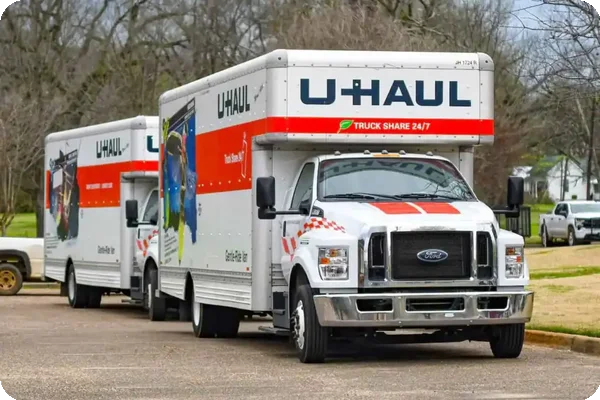
How Much Are Uhaul Trucks? Rip-Offs & How to Avoid Them
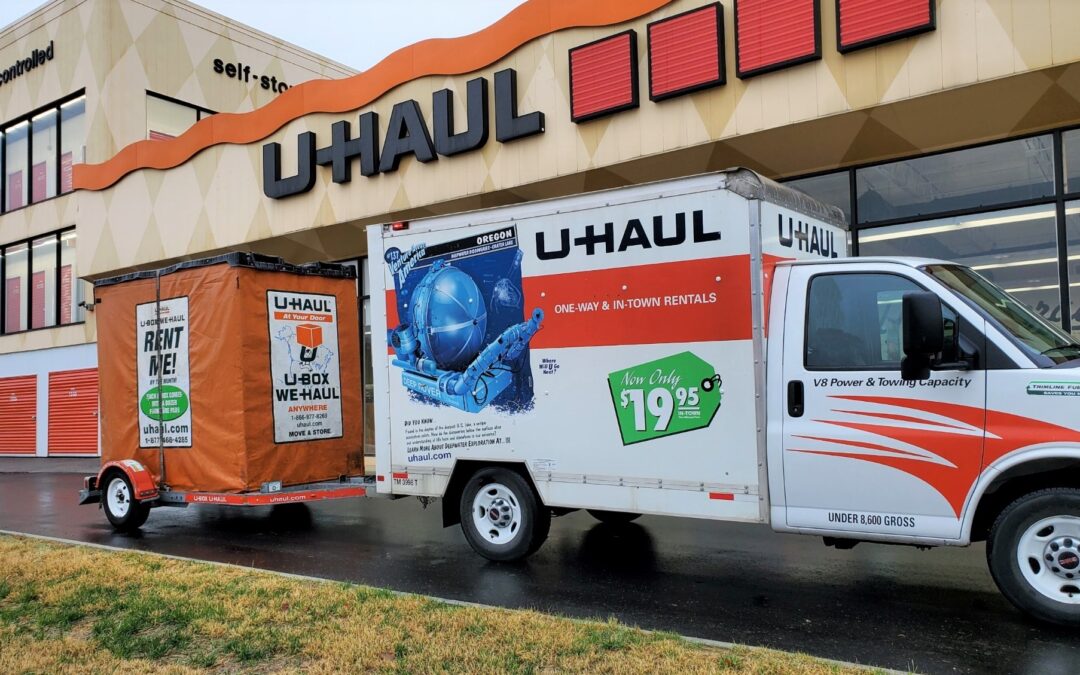
That giant graphic plastered across the side of every moving van promising a rental for just $19.95 is one of the most effective marketing campaigns in modern history. But if you have ever rented one, you already know the sticker price is an illusion. When people ask, how much are Uhaul trucks? The most common rip-offs and how to avoid them quickly become the real focus of the conversation, because an advertised $20 rental routinely turns into a $150 invoice for a simple cross-town errand.

Understanding U-Haul's pricing model requires looking past the base rate to examine the mandatory fees, per-mile rates, optional protections, and punitive administrative charges that quietly drive up your bill. Here is what you will actually pay, the common traps waiting for unwary renters, and how to protect your wallet.
The True Cost: How Much Are U-Haul Trucks Really?
U-Haul uses two distinct pricing models depending on whether your move is local (in-town) or one-way (long-distance).
In-Town Moves: Low Base, High Mileage
For local moves where you return the truck to the pickup location, U-Haul charges a flat daily base rate plus a fee for every mile driven:
- 8-foot pickup truck and 9-foot cargo van: $19.95/day base rate
- 10-foot box truck: $19.95/day base rate
- 15-foot box truck: $29.95/day base rate
- 20-foot box truck: $39.95/day base rate
- 26-foot box truck: $39.95/day base rate
The catch is the mileage fee. Rates generally range from $0.79 to $1.29 per mile, depending on truck size, location, and day of the week (weekends typically carry higher mileage rates). A 40-mile round trip in a 15-foot truck does not cost $29.95; with mileage at $0.99 per mile, an environmental fee, and basic taxes, your real cost starts at roughly $75 before purchasing gas or supplies.
One-Way Moves: Flat Rates with Hard Mileage Caps
For cross-country or intercity relocations where you drop the truck off at a different branch, U-Haul quotes a package rate. This package bundles a set number of rental days with an allotted mileage allowance based on the distance between the two cities.
One-way prices fluctuate dramatically based on equipment demand, season, and route direction. For example, moving from New York to Florida during peak summer might cost $2,500 for a 20-foot truck, while the reverse route during the same week might cost under $1,100 because U-Haul needs inventory relocated back north. If you exceed the allotted mileage on a one-way contract, you will pay a steep overage penalty—usually around $1.00 per extra mile.
How Much Are Uhaul Trucks? The Most Common Rip-Offs and Sneaky Fees
While U-Haul is a legitimate, ubiquitous service, its business model leans heavily on customer oversights and convenience charges. Here are the most frequent financial pitfalls renters encounter.
1. The Fuel Gauge Markup
U-Haul does not require you to bring the truck back with a full tank; instead, you must return it with the exact same level of fuel it had when you picked it up. If you return it even an eighth of a tank short, you will be penalized harshly.
U-Haul charges an inflated per-gallon rate (often $4.50 to $6.00 per gallon, well above street price) alongside a flat refueling convenience fee—frequently $30. Missing the mark by two gallons of regular unleaded can easily cost you $40 or more.
2. The Auto-Selected "SafeMove" Insurance

When booking online, U-Haul's software frequently pre-selects their proprietary damage waiver (SafeMove or SafeMove Plus), which adds $15 to $30 per day to your bill. Many renters assume this is a mandatory government fee or that their regular auto insurance covers moving trucks.
In reality, most personal auto insurance policies and standard credit card rental collision coverages explicitly exclude commercial vehicles and cargo trucks over a certain gross vehicle weight. While getting coverage is often wise, being tricked into paying for it without understanding what it covers is an unnecessary hit to your budget.
3. The Equipment "Convenience" Items Inside the Cab
When you open the back of your rental, you will almost always find a hand truck (dolly) and a pack of moving blankets secured with plastic zip ties. If you cut the zip tie and use the dolly, you are automatically billed the daily rental charge (usually $7 to $12). Worse, if you lose a single furniture pad or fail to fold and return them, you could face replacement fees of $8 to $15 per pad.
4. Cleaning and Odor Penalties
U-Haul contracts stipulate that the vehicle must be returned clean. If you leave behind cardboard scraps, dirt, mud on the cab floor, or pet hair, local managers have the discretion to bill a cleaning fee ranging from $25 to $150. Because after-hours drop-offs prevent you from contesting the assessment on the spot, these charges can appear on your credit card statement days later with zero prior warning.
5. The Mobile After-Hours "Convenience Fee"
Dropping the truck off outside business hours seems convenient, but U-Haul requires you to complete their mobile check-in verification via smartphone while standing next to the vehicle. If you simply drop the keys into the secure lockbox without completing the multi-step online check-in (which includes uploading real-time photos of the odometer, fuel gauge, and parked position), U-Haul automatically assesses a $20 "convenience fee" for an associate to manually check in the vehicle the next morning.
6. The "Guaranteed Reservation" Loophole
U-Haul advertises a $50 reservation guarantee, promising that if they fail to provide your truck at the agreed time and location, they will pay you $50. However, the fine print allows them to meet this obligation by sending you to another location up to 50 miles away, or substituting a different truck size.
If they provide an oversized 26-foot truck when you booked a 10-foot van, you will burn substantially more gasoline. If they send you 20 miles across town to pick it up, you burn personal fuel and time, yet the company technically fulfilled their guarantee.
How to Avoid Hidden Fees on Moving Day
You do not have to accept surprise charges as an inevitable cost of moving. A few disciplined steps will keep your final bill as close to the baseline quote as possible.
- Document the Dashboard at Pickup: Before leaving the lot, take a clear, timestamped smartphone photo of the dashboard showing the exact fuel level and odometer reading. Compare this photo with the digital dispatch paper. If the contract says the tank is at 1/2, but the needle is hovering at 3/8, walk back inside immediately and have the agent amend the contract.
- Calculate Your Route Mileage in Advance: Use mapping software to map your complete route, including the distance from the rental lot to your old home, trips between properties, trips to the gas station, and the final return to the lot. Multiply your total expected miles by the mileage rate to determine whether an alternative provider (like Budget or Penske, which sometimes offer unlimited local miles on promotions) might be cheaper.
- Refuel Right Across the Street: Never try to guess your fuel burn during the trip. Find a gas station within two miles of the return location. Add fuel in small increments until the needle aligns precisely with—or just slightly above—your pickup level. Save your printed gas receipt.
- Sweep the Cargo Bed: Spend three minutes with a broom before dropping the keys. Sweeping out debris, leaves, and dirt eliminates the easiest excuse for an arbitrary $25 to $50 cleaning penalty.
- Always Complete the Mobile Return Protocol: If returning after hours, follow every prompt on the U-Haul mobile website. Upload the requested photos of the odometer, fuel gauge, interior cab, and cargo box. Do not drop the key in the drop box until the app displays the final confirmation screen showing that the return process is complete.
Bottom Line
U-Haul offers unmatched equipment availability across North America, but their low advertised prices rely on add-ons and penalties to generate real profit. For a quick local run of under 15 miles where you manage your own equipment and fuel, U-Haul remains one of the cheapest options available. However, for moves involving longer distances or multiday rentals, always calculate the fully loaded cost—base rate, mileage fees, and expected gas consumption—to find your true bottom-line expense before booking.