How Much Do New York Cops Make? Finally Explained
When discussing public sector compensation in the Empire State, few questions generate as much curiosity and debate as officer salaries. How much do New York cops make? Finally, thanks to recent collective bargaining agreements, updated city payroll records, and transparent contract data, we have an exact, up-to-date look at what law enforcement officers across New York—and specifically within the NYPD—actually earn.

While base salaries are determined by structured pay scales, take-home pay is significantly altered by overtime, shift differentials, longevity bonuses, and fringe benefits. Whether you are considering a career with the New York City Police Department (NYPD) or simply want to understand where city tax dollars go, here is the complete breakdown of police compensation in New York.
How Much Do New York Cops Make? Finally Breaking Down the Numbers
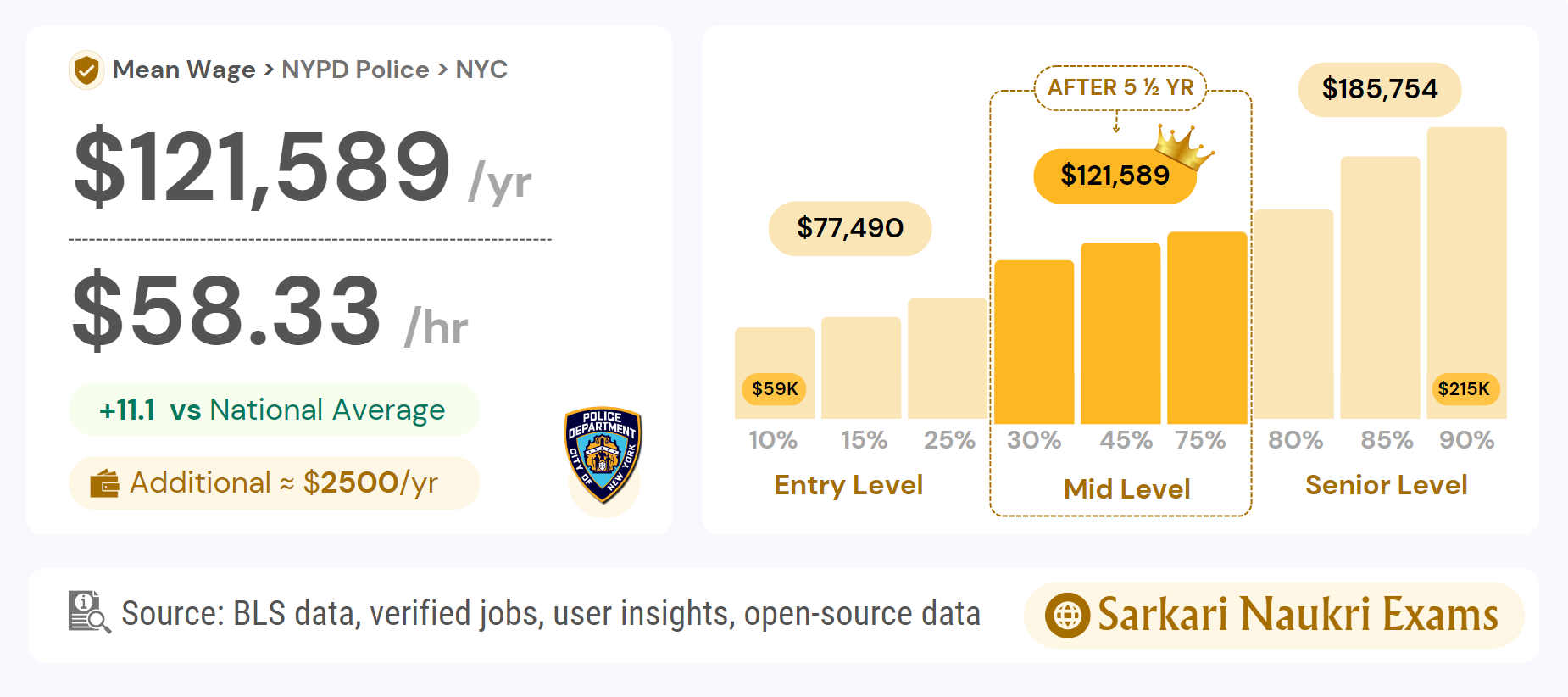
Salaries for NYPD officers are governed by contracts negotiated between the City of New York and the Police Benevolent Association (PBA). Following the landmark contract ratified in 2023, base pay for officers saw historic increases. Entry-level recruits receive a competitive starting wage, but the real financial benefit occurs once an officer reaches "top pay" after five and a half years of service.
NYPD Base Salary Progression by Seniority
As of recent contract guidelines, the progression of base salary for an NYPD police officer looks like this:
- Starting Salary (Hire / Academy): ~$55,124
- After 1.5 Years: ~$61,000
- After 2.5 Years: ~$65,000
- After 3.5 Years: ~$70,000
- After 4.5 Years: ~$75,000
- After 5.5 Years (Top Pay): $105,146
Reaching that five-and-a-half-year milestone represents a monumental leap in earnings. An officer’s base salary nearly doubles from their recruit days, crossing the six-figure threshold without factoring in a single hour of overtime.
Beyond Base Pay: Additional Compensation and Differentials
Base salary only tells half the story. The total compensation package for a New York police officer includes several mandatory contractual supplements that add thousands of dollars to an annual W-2.
1. Uniform Allowance and Longevity Pay
Every active officer receives an annual uniform allowance (typically around $1,000) to maintain gear and attire. In addition, officers receive longevity pay—tiered stipends that kick in after 5, 10, 15, and 20 years of continuous service, further increasing the annual baseline compensation.
2. Night Shift and Holiday Differentials
Policing is a 24/7/365 job. Officers working late evening or overnight tours earn night shift differentials (typically a percentage-based premium on their hourly rate). Working city holidays also yields 1.5x pay or comp-time accruals, substantially bumping total earnings for shift workers.
3. Overtime: The Major Income Driver
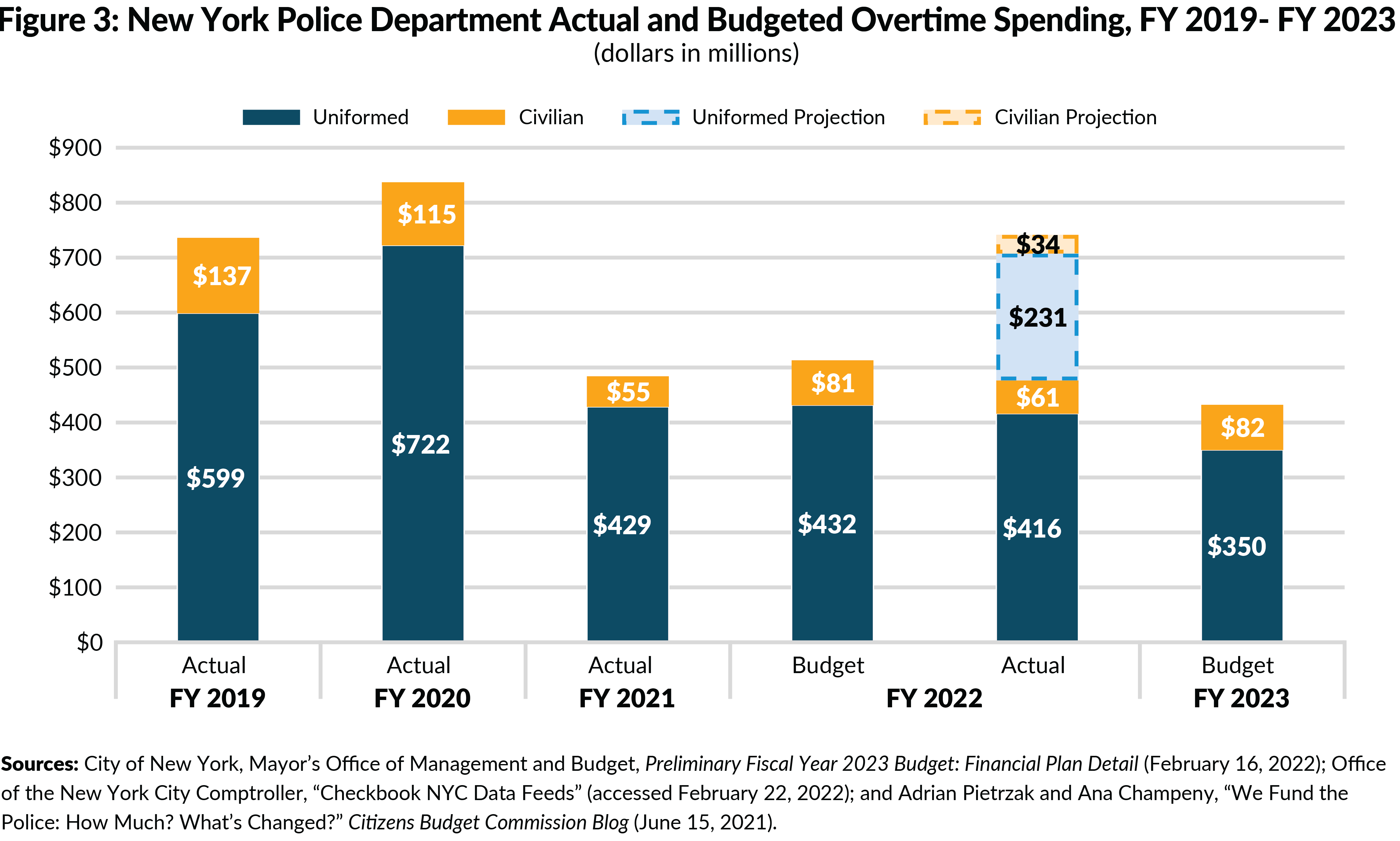
Overtime is where NYPD earnings routinely climb into top percentiles. Due to staffing shortages, parades, dignitary details (such as the UN General Assembly), subway patrols, court appearances, and protests, overtime opportunities are plentiful—and often mandatory.
It is not uncommon for an officer at top pay to log between $20,000 and $40,000 in annual overtime. Many veteran officers report total yearly earnings between $125,000 and $150,000 when factoring in overtime and specialized details.

NYPD vs. Other New York Law Enforcement Agencies
While the NYPD is the most recognized department in the state, it is frequently out-earned by surrounding municipal and state agencies. When comparing police wages within New York, geographic jurisdiction plays a massive role.
Nassau and Suffolk County Police Departments (Long Island)
Officers in Long Island’s suburban counties are among the highest-paid law enforcement personnel in the United States. In Nassau and Suffolk Counties, top base salaries regularly exceed $140,000 to $155,000 after several years of service. With overtime and longevity, veteran suburban officers frequently make well over $180,000 to $200,000 annually.
New York State Police (State Troopers)
New York State Troopers start at roughly $64,000 while in the academy, but that figure climbs to approximately $98,000 upon graduation and field placement. Top base pay exceeds $110,000, with geographical stipends added for officers stationed in downstate high-cost regions such as Westchester or Long Island.
MTA and Port Authority Police
Officers with the Metropolitan Transportation Authority (MTA) and the Port Authority of NY & NJ (PAPD) enjoy packages on par with or exceeding the NYPD. Port Authority police officers reach top step base salaries of roughly $120,000 to $130,000, with significant overtime potential across major airports, bridges, and tunnels.
Benefits, Retirement, and Pension Value
Evaluating public sector pay requires looking at long-term retirement value. New York law enforcement benefits remain notably robust compared to private sector jobs.
- Defined Benefit Pension: Most current recruits enter under New York's Tier 3 (revised) system. Under this structure, officers can retire after 22 years of service with a guaranteed pension equal to 50% of their final average salary (calculated over their highest consecutive earnings years).
- Health and Dental Insurance: The City provides fully funded or low-cost comprehensive health insurance for officers and their eligible dependents, which remains active into retirement subject to vesting rules.
- Paid Time Off: Officers start with over 20 paid vacation days per year, scaling up to 27 or more days based on seniority, alongside generous sick leave policies and chart days (scheduled compensatory days off).
The Cost of Living Reality
While an earning potential of $105,000 to $135,000 sounds substantial, cost of living in New York City and the surrounding suburbs must be taken into account. Historically, NYPD officers are required to maintain residency in one of the five boroughs or select surrounding counties (Nassau, Suffolk, Westchester, Rockland, Orange, or Putnam).
Housing prices, local income taxes, property taxes, and commuting costs in the New York metropolitan area are among the steepest in the country. For a recruit making $55,000 in Year 1 while living within NYC, budgeting can be exceptionally tight. However, for officers who stay past the five-year mark, the career provides middle-to-upper-middle-class financial stability and long-term security that few jobs requiring no four-year college degree can match.
Final Takeaway
So, how much do New York cops make? The short answer: starting around $55,000 and rising to a guaranteed base of $105,146 after 5.5 years. With built-in allowances, shift differentials, and overtime, a typical seasoned NYPD officer earns between $120,000 and $145,000 annually, backed by comprehensive healthcare and an early defined-benefit retirement pension.