How Much Does a Sports Physical Cost at CVS?
Every year, millions of student athletes need a pre-participation physical examination (PPE) cleared before they can step onto the field, court, or track. Getting an appointment with your primary care pediatrician can take weeks or even months during the late summer rush. For convenience, many families turn to retail walk-in clinics. If you are planning an appointment, you are likely wondering: how much does a sports physical cost at CVS?

At CVS MinuteClinic, a standard sports physical typically costs between $69 and $79 out of pocket. However, exact pricing, insurance applicability, and seasonal discounts can influence what you actually pay at the register. Here is a comprehensive breakdown of CVS sports physical pricing, what the exam entails, and how to make the process as seamless as possible.
How Much Does a Sports Physical Cost at CVS MinuteClinic?
CVS publishes transparent pricing for self-pay services offered at its MinuteClinic locations. The standard retail rate for a sports or camp physical is currently $69 to $79. Prices can occasionally fluctuate depending on geographic location or specific state regulatory requirements, but most clinics stick closely to this baseline.
During the peak back-to-school season (typically mid-summer through early autumn), CVS frequently runs seasonal promotions. These discounts may reduce the cost by $10 to $20, bringing the price down to approximately $59. Check the MinuteClinic website or local promotional flyers before your visit to see if an active coupon or special rate applies.
MinuteClinic accepts multiple payment methods at checkout, including:
- Credit and debit cards (Visa, MasterCard, American Express, Discover)
- Cash and personal checks (at participating locations)
- Flexible Spending Account (FSA) cards
- Health Savings Account (HSA) cards
Does Health Insurance Cover a CVS Sports Physical?
In most instances, health insurance does not cover a standalone sports physical at CVS or any other retail clinic. Health insurance plans generally classify sports, camp, and administrative physicals as non-diagnostic, elective services rather than preventative medical care.
Under the Affordable Care Act (ACA), commercial insurance policies cover one comprehensive annual wellness visit (or well-child visit) per year at 100% with no copay. However, that benefit is designed for a full preventative exam conducted by your primary care doctor. Retail clinics typically bill sports physicals under administrative service codes that most insurance carriers reject.
Even though insurance rarely covers the fee directly, you can use your HSA or FSA funds to pay for the visit. These pre-tax dollars can be applied directly to the clinic charge, helping lower your net out-of-pocket expense.
What Is Included in a CVS Sports Physical?
A sports physical is focused specifically on determining whether an athlete can safely participate in vigorous physical activity. It is not a substitute for a comprehensive annual checkup, but it covers all major systems related to athletic safety. A licensed nurse practitioner (NP) or physician assistant (PA) conducts the evaluation.
The standard examination includes the following components:
1. Vital Signs and Basic Measurements
Video: Can I get a physical at CVS?

The provider begins by measuring basic health metrics, including:
- Height and weight to calculate Body Mass Index (BMI)
- Blood pressure and resting pulse
- Basic vision acuity screening using an eye chart
2. Medical History Review
The clinician will review your athlete's personal and family medical history. They will check for conditions such as asthma, allergies, past concussions, fainting spells during exercise, and family histories of heart abnormalities or sudden cardiac arrest.
3. Physical Examination
The provider conducts a targeted examination to ensure organs and joints are healthy enough for athletic strain:
- Cardiovascular: Listening to the heart to detect murmurs, arrhythmias, or irregular sounds.
- Respiratory: Listening to lung sounds to screen for exercise-induced asthma or wheezing.
- Abdominal: Checking for internal tenderness, masses, or organ enlargement (such as an enlarged spleen from mononucleosis).
- Musculoskeletal: Testing joint mobility, spinal curvature (scoliosis), posture, strength, and flexibility. The clinician also assesses prior injuries (sprains, fractures, dislocations) to confirm proper healing.
- Ears, Nose, and Throat: Inspecting the lymph nodes, throat, and ears for signs of active infection.
4. Form Completion and Clearance
Once the evaluation is complete, the clinician signs and stamps the required state athletic association, school district, or camp clearance form. If the provider discovers an issue requiring further evaluation—such as an unaddressed heart murmur or uncontrolled hypertension—they will issue a temporary hold or referral to a specialist before signing off.
What to Bring to Your CVS Sports Physical
Showing up unprepared can delay your clearance. Make sure you bring the following items to your visit:
- The Official Physical Form: Download and print the specific clearance document required by your state's high school athletic association, school district, or league. MinuteClinic does not always carry district-specific forms.
- Pre-Filled Medical History: Complete the parent/guardian section of the questionnaire before arriving. Sign all necessary consent fields.
- Immunization Records: Bring a copy of your child's vaccination history so the provider can verify that required boosters (such as Tdap, Meningococcal, or HPV) are up to date.
- Corrective Lenses: If the athlete wears glasses or contact lenses, bring them along. Vision must be tested with corrective wear if normally required for daily activity.
- Medication List: A complete list of all daily prescription medications, over-the-counter supplements, or emergency inhalers/epinephrine autoinjectors.
- A Parent or Legal Guardian: Patients under 18 years old must be accompanied by a parent or legal guardian to give medical consent.
CVS MinuteClinic vs. Primary Care vs. Urgent Care
When deciding where to get an athletic clearance, consider how CVS compares to other common healthcare settings:
- CVS MinuteClinic ($69–$79): Fast, convenient, and available seven days a week with evening hours. No primary care relationship is established, but it is an ideal stopgap when your regular doctor is booked up.
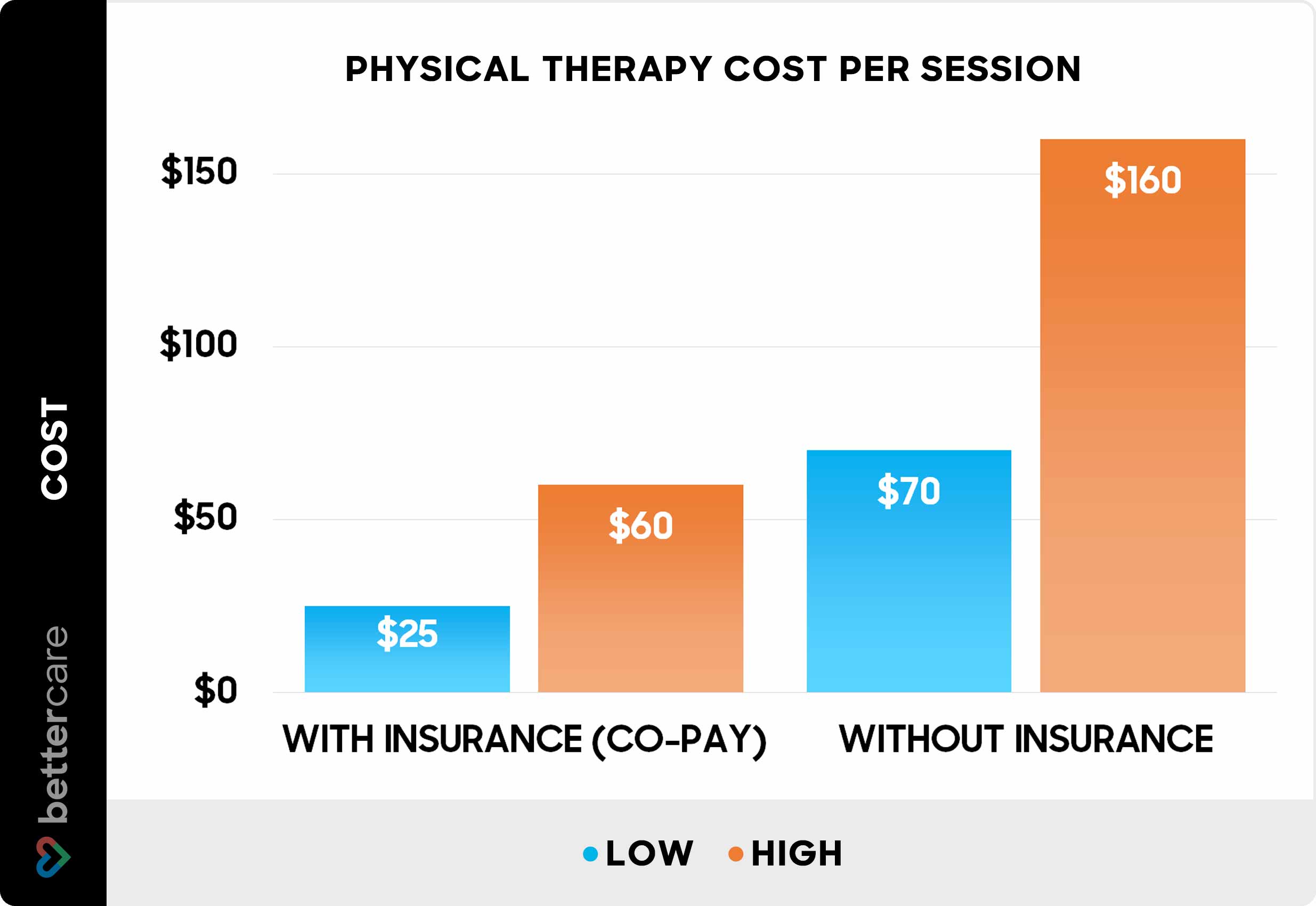
- Primary Care Pediatrician ($0–$30 copay with insurance): Best for comprehensive care. If bundled into your child's annual wellness visit, the exam is usually 100% covered by insurance. The drawback is scheduling availability; popular pediatric practices often book out months in advance during summer.
- Urgent Care Clinics ($50–$120): Similar to MinuteClinic in speed and availability. Some urgent care chains offer low-cost promotional sports physicals for $40 to $50, while others bill them as standard urgent visits costing over $100. Always call ahead to verify cash rates.
- School-Hosted Physical Days ($10–$25): Many school districts coordinate volunteer physician clinics on campus once or twice a year. While very inexpensive, these clinics run on rigid schedules and process large crowds in assembly-line fashion.
How to Schedule a Sports Physical at CVS
You can walk into any CVS MinuteClinic without an appointment, but booking ahead saves significant time in the waiting area. Follow these steps:
- Visit the MinuteClinic section on the CVS website or open the CVS Pharmacy mobile app.
- Select "Schedule a visit" and choose "Sports, Camp & Employment Physicals."
- Enter your ZIP code to find nearby clinics with open time slots.
- Choose a date and time that fits your schedule, or select the next available same-day slot.
- Fill out patient demographic information online to accelerate your check-in process at the clinic kiosk.
By securing a flat-rate physical at CVS, student athletes can fulfill school clearance requirements quickly, avoid missing practice deadlines, and ensure they are physically prepared for the demands of the upcoming season.