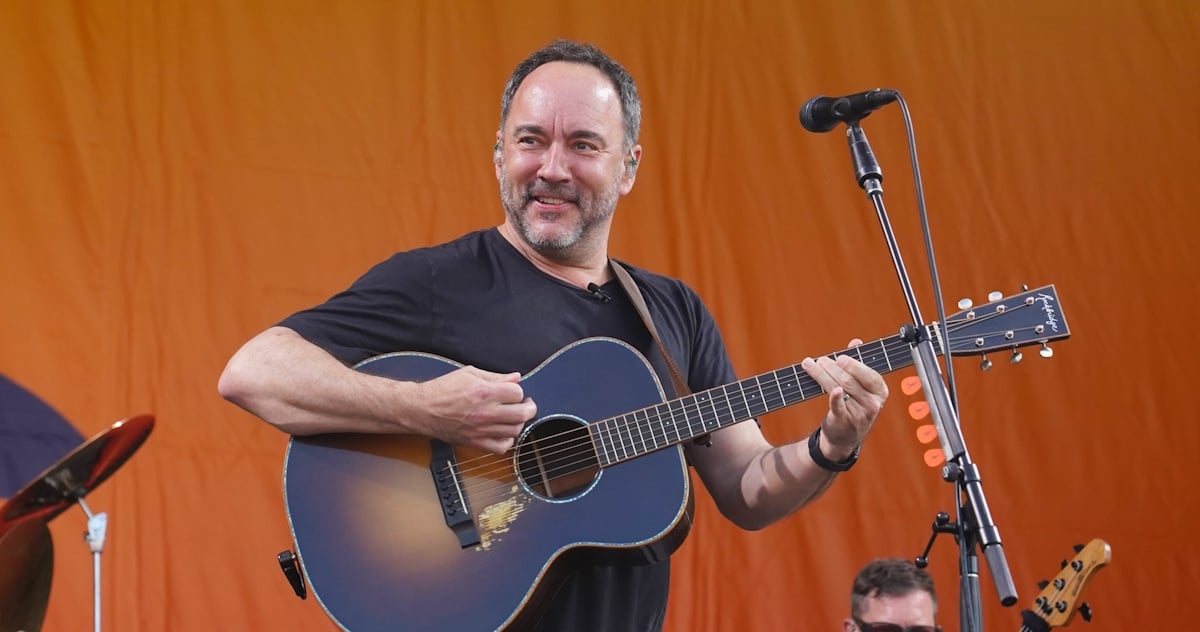
How Much Does Dave Matthews Make? Untold Net Worth
When music enthusiasts debate the architects of modern jam-rock and acoustic jazz fusion, one name perpetually stands at the crossroads of critical acclaim and commercial dominance: Dave Matthews. While the Dave Matthews Band (DMB) is routinely filed under rock or alternative, its DNA has always been steeped in modal jazz, complex time signatures, and virtuoso improvisation, driven by legendary jazz sidemen like LeRoi Moore, Jeff Coffin, and Carter Beauford. For decades, fans and industry analysts alike have wondered: How Much Does the Jazz Legend Dave Matthews Make? The Untold Financial Story! Behind the laid-back stage presence and acoustic guitar lies one of the most rigorously engineered, lucrative financial machines in live entertainment history.

The Core Fortune: Dave Matthews' Estimated Net Worth
As of 2024, Dave Matthews boasts an estimated net worth of roughly $300 million to $350 million. Unlike pop stars whose earnings fluctuate wildly based on viral hits or streaming algorithmic shifts, Matthews has built a classic, recession-proof revenue engine anchored by evergreen live performance demand, high-margin touring, extensive songwriting publishing rights, and diversified real estate and business ventures.
While his recorded music catalog has moved more than 35 million albums globally, Matthews makes the overwhelming bulk of his annual income from the road, merchandise, and independent entrepreneurship.
How Much Does the Jazz Legend Dave Matthews Make? The Untold Financial Story
In an active touring year, Dave Matthews personally pulls in between $15 million and $30 million before taxes. To understand the mechanics of that figure, one has to dissect how the Dave Matthews Band monetizes its intense, multi-generational live following.
1. The Billion-Dollar Touring Machine
Dave Matthews Band holds a rare distinction in music history: they are among the few touring acts to have surpassed $1 billion in career ticket sales. According to Billboard Boxscore data, DMB has sold well over 25 million tickets since the 1990s, routinely landing in the top 10 highest-grossing live acts of any given decade.
- Average Gross Per Tour: A standard North American summer amphitheater run generates between $40 million and $65 million across 40 to 50 dates.
- Per-Night Gross: The band regularly grosses between $1.2 million and $2.5 million per stop, depending on venue capacity and multi-night stands (such as their historic runs at Washington’s Gorge Amphitheatre).
- Merchandise Margins: DMB fans are notoriously devoted collectors. Branded apparel, live concert recordings, and exclusive tour posters contribute an estimated $5 to $10 per head in high-margin merchandise profit nightly.
After venue cuts, promoter margins, staging, road crew salaries, and splits among the band members, Dave Matthews—as the primary founder, frontman, and titular principal—typically takes home 30% to 40% of the band's net touring profits.
2. Songwriting Royalties and Publishing Assets
Unlike many modern pop groups that rely on writing rooms of a dozen contributors, Dave Matthews is credited as the sole or primary songwriter on virtually all of the band's seminal hits, including "Crash into Me," "Ants Marching," "What Would You Say," and "The Space Between."
Because Matthews retained substantial control over his publishing rights via his affiliated publishing entities, performance royalties from terrestrial radio, satellite radio, global sync licensing for television and film, and streaming platforms (like Spotify and Apple Music) generate an estimated $3 million to $5 million annually in passive revenue.
3. The ATO Records Imprint
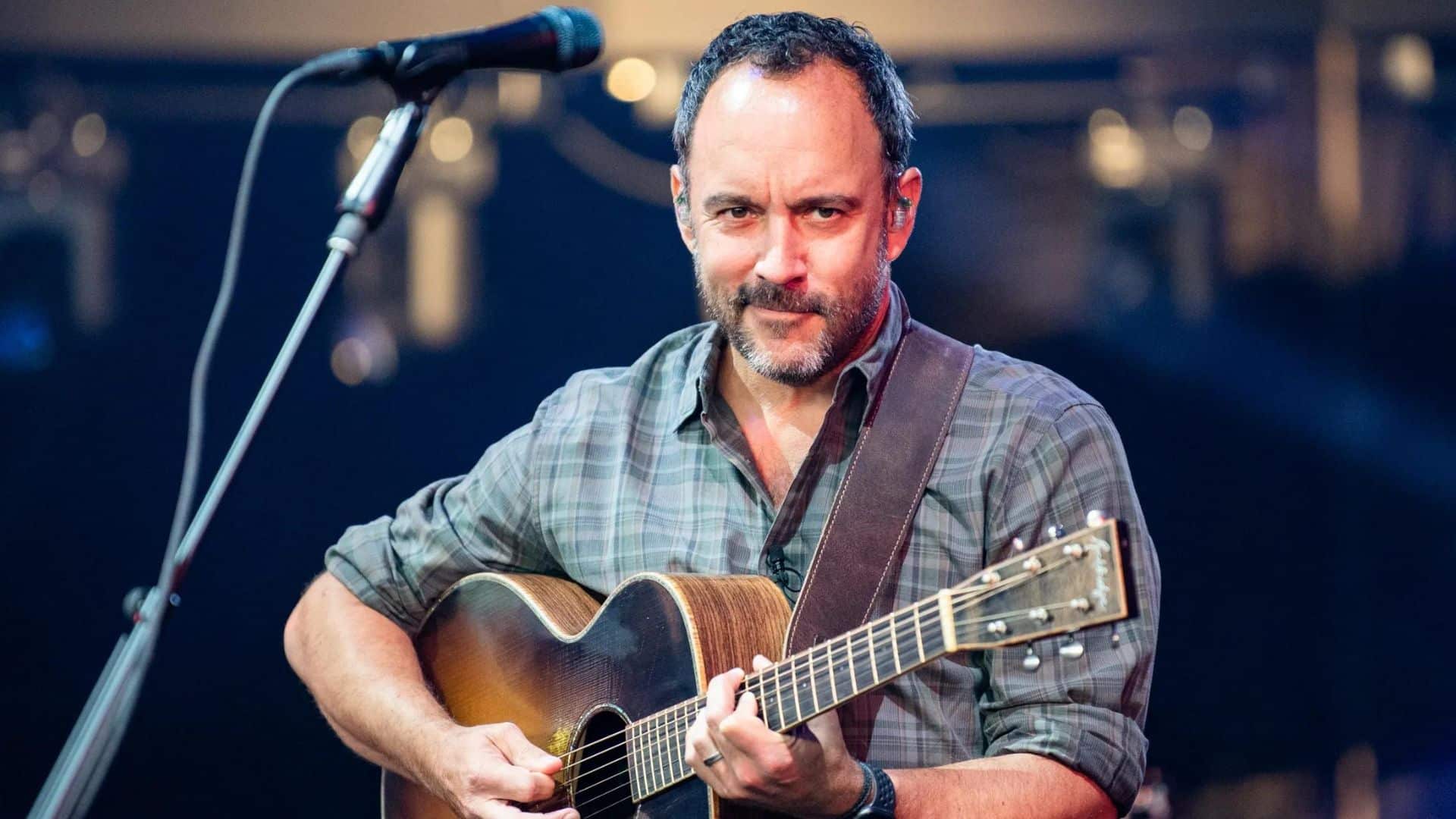
Matthews is not merely a signed recording artist; he is a label boss. In 2000, Matthews co-founded ATO Records (According to Our Records) alongside his longtime manager Coran Capshaw. Designed as an artist-friendly indie label, ATO has fostered an extraordinary roster over two decades, including:
- Alabama Shakes and Brittany Howard
- My Morning Jacket
- King Gizzard & the Lizard Wizard
- Black Pumas
- Drive-By Truckers
By owning a direct equity stake in the label and its master recordings, Matthews enjoys substantial back-end profit distributions whenever ATO artists achieve critical or commercial streaming breakthroughs.
Beyond the Stage: Vineyards, Real Estate, and Agriculture
Matthews has followed a traditional, value-focused investing philosophy, sinking his liquid concert earnings into tangible assets that appreciate over long horizons.
Blenheim Vineyards
Located in Albemarle County, Virginia, near Charlottesville where the band originated, Matthews purchased the historic Blenheim estate in 1999. In 2000, he established Blenheim Vineyards, transforming the property into a fully functional, environmentally conscious commercial winery. The operation produces thousands of cases of vitis vinifera varietals annually, distributing throughout the mid-Atlantic and commanding high retail margins through an exclusive direct-to-consumer wine club.
Real Estate Portfolio
Matthews’ property portfolio is valued well north of $40 million, spanning both coasts:
- Seattle, Washington: Matthews has long maintained his primary personal residence in Seattle's Wallingford neighborhood, expanding his footprint by acquiring adjacent parcels to build an expansive, discreet family compound.
- Virginia Farm Holdings: In addition to Blenheim Vineyards, Matthews owns hundreds of acres of conserved agricultural and forest land in central Virginia, leveraging conservation easements to preserve rural landscapes while reducing long-term property tax burdens.
- New York Properties: Strategic pied-à-terre residences in Manhattan, utilized during East Coast business operations and recording sessions.
Philanthropy and the Bama Works Fund
Any comprehensive review of Dave Matthews' financial legacy must account for the substantial capital redirected to philanthropic initiatives. Established in 1999, the band's Bama Works Fund (administered through the Charlottesville Area Community Foundation) has distributed more than $65 million in grants.
Funded through dedicated ticket surcharges, benefit concerts, and private member contributions, the fund targets community infrastructure, racial justice, environmental conservation, and arts education, illustrating that Matthews views his financial engine as a mechanism for civic investment.
Summary: How the Numbers Stack Up
| Financial Category | Estimated Value / Annual Earnings |
|---|---|
| Estimated Net Worth | $300 Million – $350 Million |
| Active Annual Touring Income | $15 Million – $30 Million |
| Publishing & Royalties (Annual) | $3 Million – $5 Million |
| Key Business Assets | ATO Records, Blenheim Vineyards |
| Career Gross Ticket Sales | Surpassed $1 Billion |
Ultimately, Dave Matthews' financial profile demonstrates how an artist can preserve artistic integrity while maximizing enterprise value. By pairing the improvisational prowess of jazz-trained musicians with unrelenting touring ethics and sharp business ownership, Matthews has earned his place as one of the wealthiest and most self-sufficient figures in modern music history.