How Much Does Spain’s Royal Family Actually Own?
When people picture European royalty, they envision vast private estates, vaults of priceless heirloom diamonds, and personal investment portfolios worth billions. Yet when it comes to the House of Bourbon, public perception clashes dramatically with financial reality. Investigating the shocking truth: how much does Spain’s royal family actually own? reveals a financial paradox unlike almost any other monarchy in Europe.
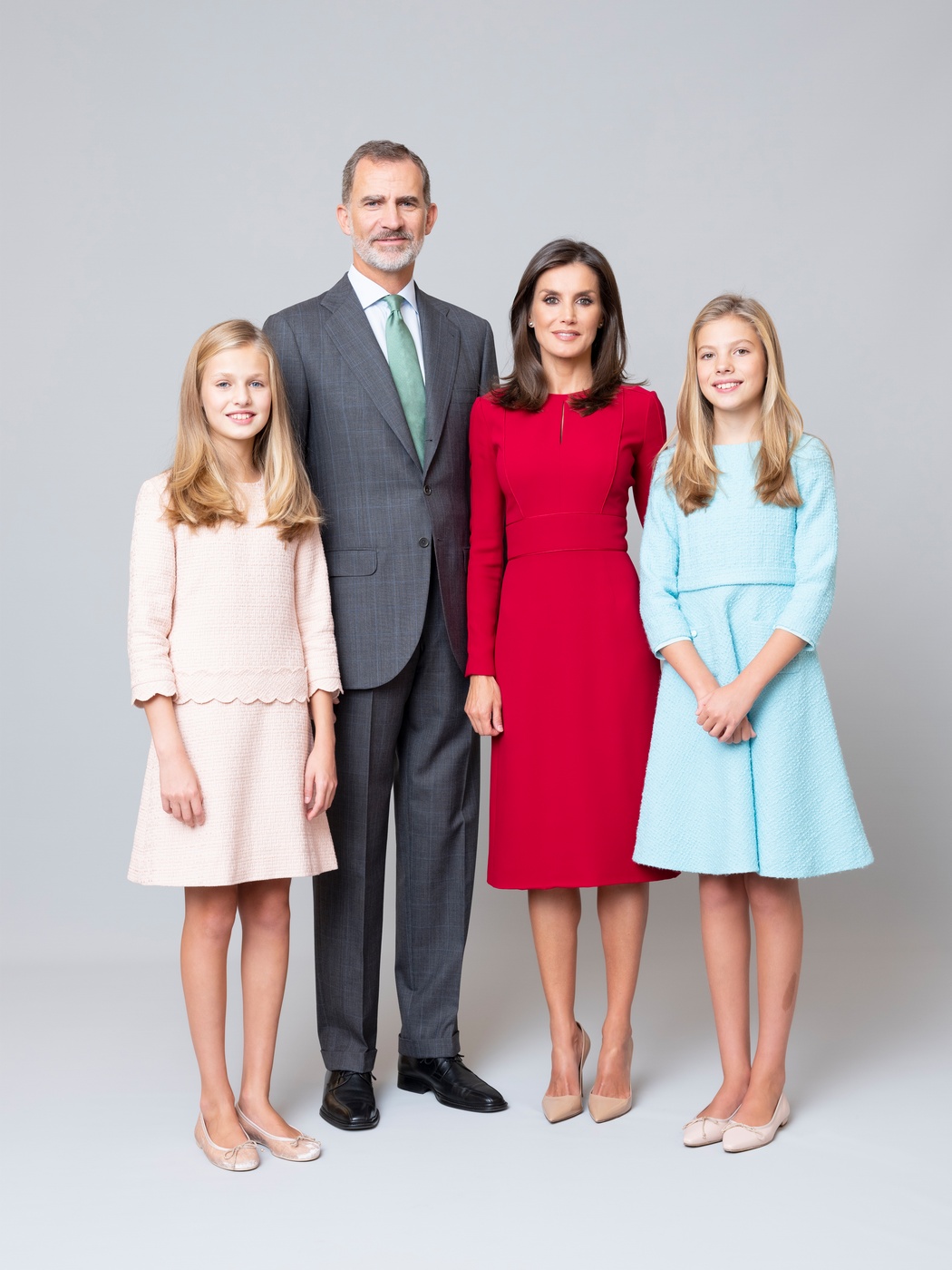
While Britain's King Charles III presides over private duchies valued in the hundreds of millions and Monaco's Prince Albert controls prime Mediterranean real estate, Spain's reigning monarch, King Felipe VI, publicly declared his personal assets to be surprisingly modest. However, the full financial picture of Casa Real involves state-funded agencies, controversial past fortunes, and taxpayer-subsidized grandeur.
The Shocking Truth: How Much Does Spain’s Royal Family Actually Own?
In April 2022, King Felipe VI took an unprecedented step in the history of the Spanish monarchy: he voluntarily published a detailed ledger of his personal net worth. The figure shocked both royal watchers and critics across Spain.
King Felipe disclosed a personal fortune of €2.6 million (roughly $2.8 million USD). According to the official statement released by the Zarzuela Palace, his balance sheet consists of:
- €2,267,942: Liquid assets held in bank savings accounts and private investment securities.
- €305,450: Works of art, historical antiques, and personal jewelry evaluated for insurance.
- €0: Direct ownership of real estate or commercial property.
Felipe’s declared wealth comes entirely from his state allowance earned as Prince of Asturias and, since 2014, as King of Spain. On paper, this makes King Felipe one of the least wealthy crowned heads in the Western world—wealthier than an average citizen, certainly, but far below the billionaire status often assumed of reigning monarchs.
The Great Illusion: Who Really Owns Spain’s Palaces?
If King Felipe VI owns zero real estate, who owns the monumental royal residences? Tourists walking through the 3,418-room Royal Palace of Madrid (Palacio Real) or visiting the sprawling Zarzuela Palace outside the capital often assume these are private family properties. They are not.
The crown jewels, art collections by Goya and Velázquez, royal armories, and dozens of historic residences belong strictly to Patrimonio Nacional (National Heritage), an autonomous state agency answerable to the Spanish Ministry of the Presidency. Patrimonio Nacional maintains:
- 19 palaces and royal sites: Including El Escorial, the Royal Palace of La Granja de San Ildefonso, and the Royal Palace of La Almudaina in Mallorca.
- Over 135,000 hectares: Of royal forests, parks, and protected natural reserves.
- More than 150,000 historical items: Including master paintings, historic tapestries, musical instruments (such as the Royal Stradivarius collection), and decorative art.
The royal family merely holds the right of use for official state functions and private accommodation. King Felipe cannot sell a single painting, demolish a wall, or mortgage a palace wing. If the monarchy were dissolved tomorrow, every palace and diamond in the state collection would remain Spanish public property.
The Annual Budget: How Casa Real Operates
Under Article 65 of the Spanish Constitution, the monarch receives an annual lump sum from the general state budget (Presupuestos Generales del Estado) to sustain the royal household. In recent years, this official budget has hovered around €8.4 million per year.

King Felipe distributes this sum among royal salaries, administrative staff, and operating expenses:
- King Felipe VI: Receives an annual gross salary of approximately €270,000.
- Queen Letizia: Receives an annual salary of roughly €148,000.
- Queen Sofía (Queen Mother): Receives around €121,000.
- Princess Leonor and Infanta Sofía: Do not receive public stipends while completing their education and military training.
However, republicans and anti-monarchist critics argue that the €8.4 million budget is misleading. While it covers Casa Real's direct staff and allowances, other ministries quietly absorb the monarchy's true overhead. Security is funded by the Ministry of the Interior, state travel by the Ministry of Defense, diplomatic receptions by the Ministry of Foreign Affairs, and estate upkeep by Patrimonio Nacional. Investigative journalists estimate the true public cost of operating the Spanish monarchy exceeds €50 million annually.
The Shadow Fortune: What Happened to Juan Carlos I’s Wealth?
Any discussion of Spain's royal assets must confront the shadow cast by Felipe’s father, former King Juan Carlos I. While Felipe projects an image of austere public service, his father's financial dealings triggered the greatest crisis in modern Spanish royal history.
During his 39-year reign, Juan Carlos built extensive ties with Gulf monarchies. In 2012, The New York Times estimated the former king's personal fortune at nearly $2.3 billion, built on gifts, investments, and diplomatic intermediaries. Investigations later uncovered offshore foundations, including the Lucum Foundation in Panama and the Zagatka Foundation in Liechtenstein, holding tens of millions of euros.
Key financial milestones that shattered the royal facade included:
- The $100 Million Gift: A 2008 payment from the late King Abdullah of Saudi Arabia deposited into a Swiss account under Juan Carlos's control.
- The Exile to Abu Dhabi: Amid mounting financial scrutiny from Swiss and Spanish prosecutors, Juan Carlos departed Spain in August 2020 to reside in the United Arab Emirates.
- The Formal Renunciation: In March 2020, King Felipe VI took the drastic step of stripping his father of his public palace allowance and formally renouncing any personal inheritance from Juan Carlos’s off-the-books assets.
Because Felipe legally disclaimed his father's private wealth, that disputed fortune remains legally isolated from Spain’s current reigning sovereign.
How Does Spain Compare to Other Monarchies?
When placed next to their royal peers across Europe, Spain’s reigning couple is among the least asset-rich:
- United Kingdom: King Charles III inherited a personal fortune estimated at over £600 million ($750+ million), excluding the Crown Estate's £16 billion commercial empire.
- Monaco: Prince Albert II holds personal assets exceeding $1 billion, including extensive real estate and bank holdings.
- The Netherlands: King Willem-Alexander and the House of Orange-Nassau have an estimated private net worth of €1 billion, anchored by historic industrial and energy stock holdings.
- Spain: King Felipe VI maintains €2.6 million in personal liquid funds, zero private real estate, and no ownership over the palaces he inhabits.
The Final Verdict
The reality of Spain's royal wealth is split between public splendor and private restraint. The grandeur surrounding King Felipe VI—the gilded throne rooms, tapestry-lined halls, and centuries-old fortresses—belongs entirely to the Spanish taxpayer. In terms of direct personal ownership, Spain’s royal family controls little more than a comfortable upper-middle-class investment portfolio. Between Felipe’s push for radical transparency and his clean break from his father’s overseas millions, the contemporary Spanish Crown holds institutional power, but astonishingly few private assets.