How Much Does UPS Pay? Hourly Rates & Salary Guide
Understanding UPS Pay Rates and Compensation Structures

If you are considering a job in logistics or delivery, you have likely asked yourself: how much does UPS pay? United Parcel Service (UPS) is one of the largest shipping and logistics companies in the world, employing hundreds of thousands of workers across the United States. Compensation at UPS varies significantly depending on the specific role, your geographic location, whether you are full-time or part-time, and your length of service.
Because a large portion of the UPS workforce is unionized under the International Brotherhood of Teamsters, wages and benefits are heavily standardized through collective bargaining agreements. Recent contract negotiations have significantly raised the floor for both part-time and full-time employee wages, making UPS one of the higher-paying employers in the traditional warehouse and delivery sector.
UPS Pay by Popular Job Roles
Compensation at UPS depends almost entirely on the position you hold. The company relies on a mix of warehouse staff, sorting personnel, vehicle drivers, and corporate management. Here is a breakdown of what major entry-level and career roles typically earn.
Package Handlers (Warehouse Workers)
Package handlers are the backbone of UPS operations, responsible for loading and unloading trailers, sorting packages, and scanning barcodes in fulfillment hubs. These positions are frequently part-time, though seasonal full-time roles open up during peak holiday seasons.
- Starting Wage: Under the national Teamsters agreement, starting pay for part-time package handlers generally begins at a minimum of $21 to $23 per hour, depending on the local market and cost of living.
- Progression: Wages typically increase automatically after reaching specific tenure milestones, such as one year or two years of continuous service.
Delivery Drivers (Package Car Drivers)
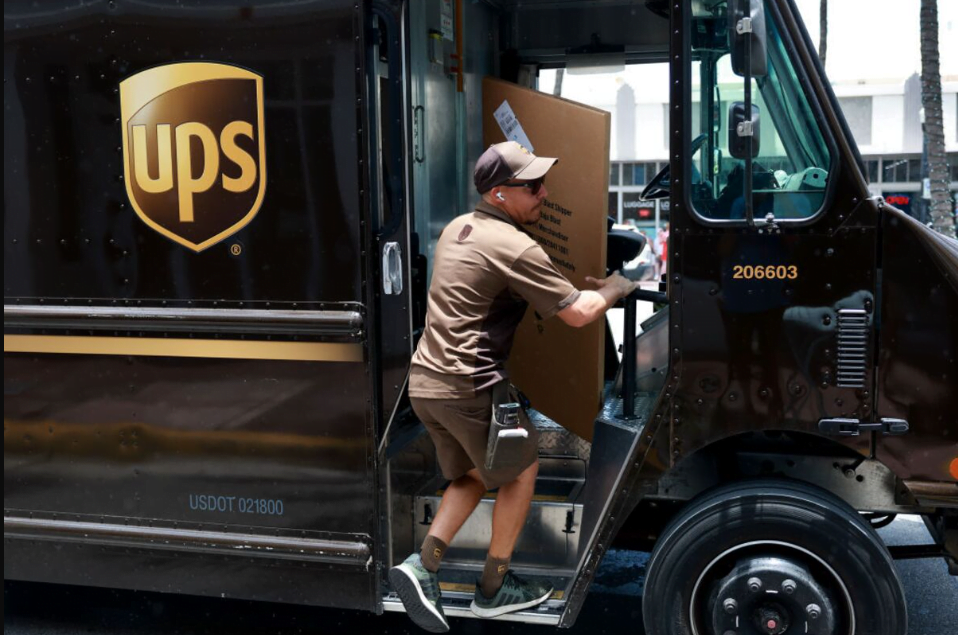
Driving for UPS is a sought-after career path because of its high earning potential. UPS divides its driving staff into two primary categories: seasonal/temporary drivers and permanent full-time package car drivers.
- Seasonal Support Drivers: These workers typically use their personal vehicles to deliver packages during the peak holiday season. Pay usually ranges from $21 to $25 per hour.
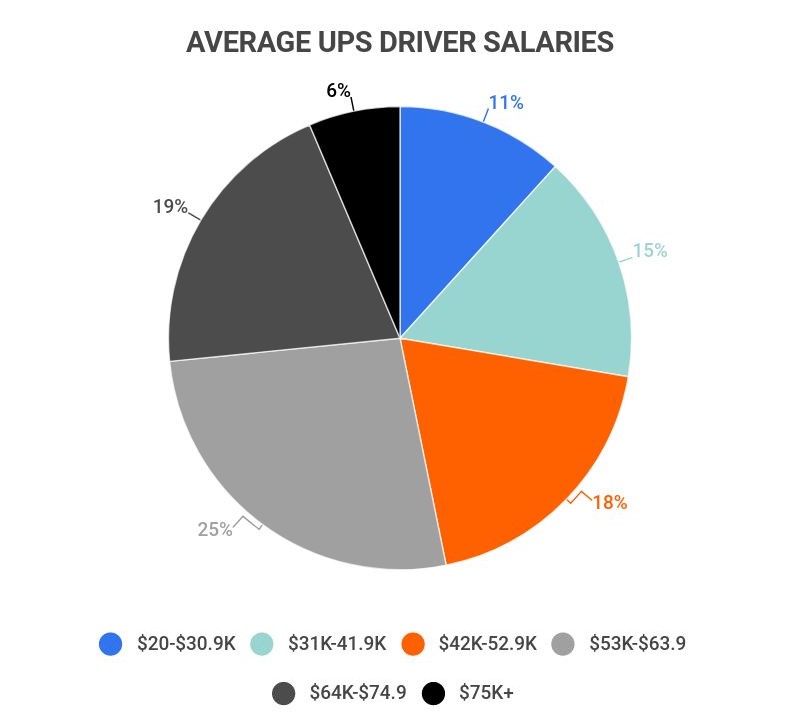
- Full-Time Package Car Drivers: New permanent drivers start at a lower tier (often around $23 per hour), but their pay scales up rapidly over a four-year progression. By the time a driver reaches top scale, their base hourly wage typically exceeds $44 to $49 per hour, which translates to a six-figure annual income when factoring in overtime.
Tractor-Trailer (Feeder) Drivers
Feeder drivers transport trailers between UPS hubs, distribution centers, and airports. These positions require a Commercial Driver’s License (CDL) Class A.
- Pay Rate: Feeder drivers are among the highest-paid hourly workers at the company. Top-scale feeder drivers often earn upwards of $45 to $49 per hour. Because long-haul routes frequently involve overnight driving and interstate travel, these workers also benefit from substantial overtime and per diem allowances.
Management and Administrative Roles
For corporate, supervisory, and operations management positions, UPS moves away from hourly union scales and toward salaried compensation.
- Supervisor Salaries: Part-time or entry-level full-time supervisors typically earn between $50,000 and $65,000 per year.
- Operations Managers: Experienced operations managers and center managers often earn salaries ranging from $75,000 to over $110,000 annually, depending on the volume and size of the facility they oversee.
Factors That Impact Your UPS Earnings
Several external and internal factors influence your actual paycheck when working for UPS. Keep these variables in mind when evaluating a job offer or planning a career move.
Geographic Location and Cost of Living
UPS adjusts its base pay rates based on regional labor markets. Facilities located in high-cost-of-living metropolitan areas—such as New York City, San Francisco, or Seattle—often offer higher starting wages and market-rate adjustments compared to rural facilities.
Overtime Opportunities
One of the primary drivers of high annual income at UPS is overtime pay. Under union rules, hourly employees are typically paid time-and-a-half for any hours worked beyond eight in a single day or forty in a workweek. During peak seasons, holidays, and periods of high volume, drivers and warehouse workers frequently log 10 to 15 hours of weekly overtime.
Comprehensive Benefits Package
When calculating total compensation, wages are only part of the equation. Full-time UPS employees—and qualified part-time workers—gain access to a robust benefits package that includes:
- Comprehensive health, dental, and vision insurance with little to no out-of-pocket premium costs for union members.
- A defined benefit pension plan for retirement, which is rare in modern corporate environments.
- Tuition assistance programs for student workers.
- Paid time off, sick leave, and holiday pay.
Is Working for UPS Worth It?
Working at UPS can be physically demanding, particularly for package handlers who lift heavy boxes for hours at a time, and for drivers who face tight delivery windows and challenging weather conditions. However, for individuals willing to put in the physical effort or work their way up from a part-time warehouse position to a full-time driving career, the financial rewards are substantial.
If you start as a part-time package handler, you gain seniority that gives you first bid on open driving positions. By combining competitive base wages, guaranteed annual step increases, and lucrative overtime, a career at UPS offers an earning potential that far exceeds many other entry-level employment options without requiring a college degree.