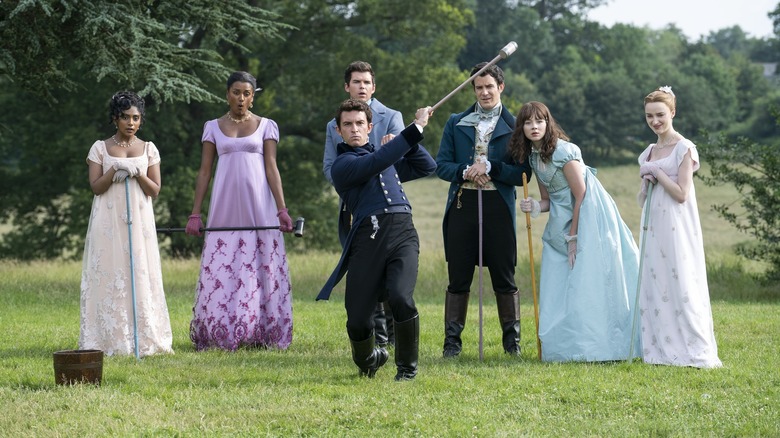
How Much Was 10000 Pounds in Bridgerton?
If you have spent any time binge-watching Netflix’s Regency-era hit romance series, you have likely heard massive fortunes tossed around casually in ballrooms and drawing rooms. From dowries to gambling debts, money dictates the social ladder. A recurring question among fans is simple yet fascinating: how much was 10000 pounds in Bridgerton?

To understand the true weight of this sum, we have to look past modern currency exchange rates. Inflation alone does not tell the full story because the social, economic, and industrial landscape of 1810s Britain was entirely different from our own. Below, we break down what that money meant to a Regency gentleman, how it compares to today’s standards, and what it could actually purchase in the world of Daphne, Anthony, and the Ton.
Understanding Regency Era Currency
Before calculating modern equivalents, it helps to understand the monetary system used during the Bridgerton timeline (roughly 1813 to 1827). The British monetary system was based on pounds, shillings, and pence:
- 1 Pound (£): Equal to 20 shillings.
- 1 Shilling (s): Equal to 12 pence.
- 1 Guinea: Worth 21 shillings (often used in polite society, particularly for professional fees and gambling).
In the grand scheme of the Regency marriage market, 10,000 pounds was an immense sum of money. While working-class families might survive on less than 40 pounds a year, members of the aristocracy managed vast estates that generated thousands of pounds annually—or, in many cases, accumulated staggering debts of equal measure.
How Much Was 10000 Pounds in Bridgerton Today?
Translating historical money to modern currency is notoriously tricky. Economists generally use two methods: the Retail Price Index (measuring the cost of a basket of goods over time) and the relative economic status (measuring a sum's share of the national economy).
The Retail Price Index Approach
If we look strictly at inflation and the changing cost of basic goods from 1815 to today, 10,000 pounds would be worth roughly **£700,000 to £900,000** (approximately $900,000 to $1.1 million USD) today. However, this metric is deeply flawed for period dramas because luxury goods, labor, and land held vastly different relative costs back then.
The Economic Status Approach
A more accurate way to understand wealth in Bridgerton is to look at average incomes of the era. In 1810, a middle-class gentleman with an income of £1,000 a year was considered very comfortable. A laborer might make £25 to £40 a year. Therefore, an outright capital sum of £10,000 represented about ten years of upper-middle-class income or a lifetime of earnings for a working-class family. Relative to the modern UK economy, £10,000 in Regency buying power would be equivalent to **several million pounds** in terms of lifestyle and social standing.
What Could £10,000 Buy in the World of Bridgerton?
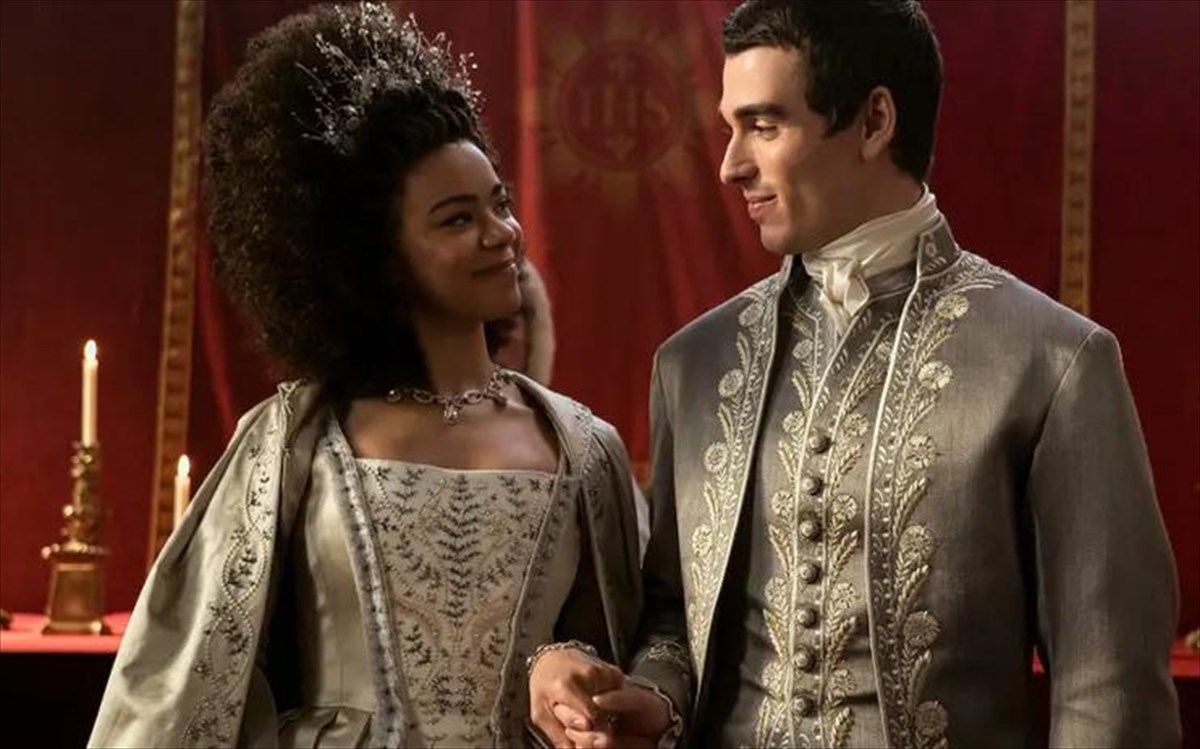
To truly grasp how much was 10,000 pounds in Bridgerton, it helps to look at the purchasing power of the era. The Ton operated on ostentatious displays of wealth, and £10,000 could fund a remarkably lavish lifestyle.
Estates and Country Houses
Land was the ultimate status symbol. For £10,000, a buyer could purchase a substantial country manor, complete with acreage, tenant farms, and a staff of servants. While sprawling ducal estates like the fictional Bridgerton house or Hastings estate were worth vastly more (often generating tens of thousands in annual rental income), £10,000 was more than enough to establish a landed gentleman comfortably.
London Season Expenses
Renting a high-end townhouse in Mayfair for the duration of the London Season (several months) could cost anywhere from a few hundred to over a thousand pounds, depending on the location and size. A sum of £10,000 could easily fund multiple London Seasons, pay for dozens of bespoke silk gowns from modistes like Madame Delacroix, and finance countless balls.
Dowries and Marriage Settlements
In Bridgerton, dowries are everything. A respectable dowry for a young lady of the gentry might range from £1,000 to £5,000. A fortune of £10,000 would make a woman an exceptionally wealthy heiress, capable of attracting the attention of wealthy peers, earls, and dukes who were looking to shore up their family finances.
Comparing £10,000 to Other Fortunes in the Series
To put the number in perspective within the universe of the show, consider how other financial transactions stack up:
- Lord Featherington’s Scheme: Jack Featherington’s dubious ruby mine investments ruined multiple families by wiping out thousands of pounds in savings, showing how fragile aristocratic fortunes could be.
- High-Stakes Gambling: In exclusive gentlemen's clubs like White's, lords routinely gambled away hundreds—sometimes thousands—of pounds on a single turn of cards. Losing £10,000 at the gaming tables could spell absolute financial ruin for an unprepared family.
- Annual Incomes: A yearly income of £10,000 placed a peer among the mega-wealthy elite of the realm, allowing them to maintain grand townhouses, country estates, stables of horses, and dozens of domestic servants without a second thought.
Conclusion
So, exactly how much was 10000 pounds in Bridgerton? While modern calculations place it anywhere from £800,000 to several million pounds in relative economic power, its true value lies in the societal freedom it provided. In an era dictated by rigid class structures, debt, and the marriage market, £10,000 was a life-altering fortune capable of buying estates, securing advantageous marriages, and ensuring a lifetime of luxury.