How Oculus Changed a Man: Zuckerberg’s VR Journey
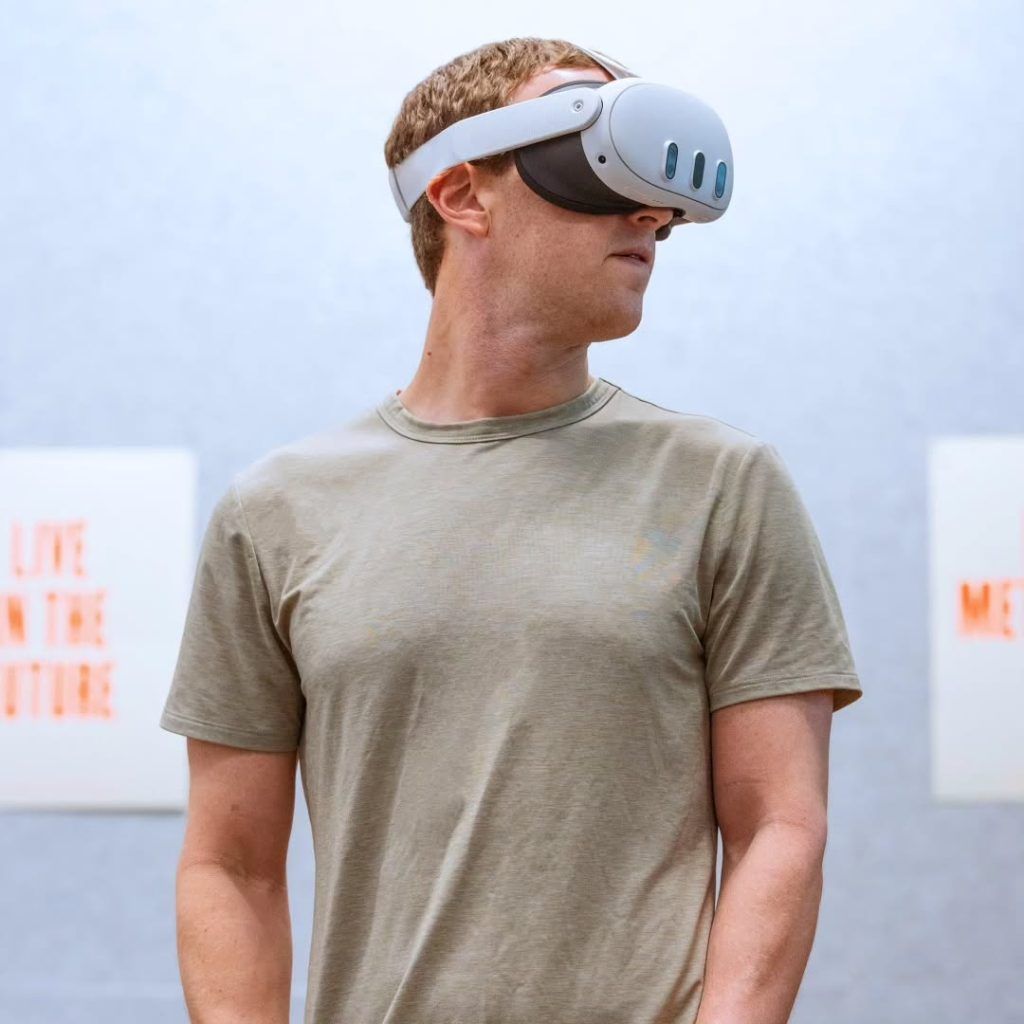
In March 2014, Facebook announced a deal that stunned the tech world. The social media giant was acquiring a small, crowdfunded virtual reality startup called Oculus VR for roughly $2 billion. For many critics and casual observers at the time, it looked like an eccentric luxury purchase—a billionaire CEO playing with expensive gaming gear. Yet, looking back a decade later, it is clear how Oculus changed a man—uncovering Mark Zuckerberg’s billion-dollar journey! from a software pioneer into a hardware-obsessed metaverse evangelist.

The 2014 Gamble: Why Facebook Bought Oculus
To understand why Zuckerberg staked billions on a fledgling headset maker, you have to look at Facebook's historical anxieties. By the early 2010s, Zuckerberg realized a fundamental truth of the tech ecosystem: the companies that control the underlying platform dictate the rules for everyone else.
Facebook had built an empire on Apple’s iOS and Google’s Android. Whenever Apple or Google changed their privacy policies, app store fees, or system architectures, Facebook had to adapt. Zuckerberg vowed that his company would never be at the mercy of mobile operating system gatekeepers again. Virtual reality offered a clean slate—a next-generation computing platform where Meta could own the hardware, the software, and the ecosystem.
From Desktop Feeds to Immersive Spaces
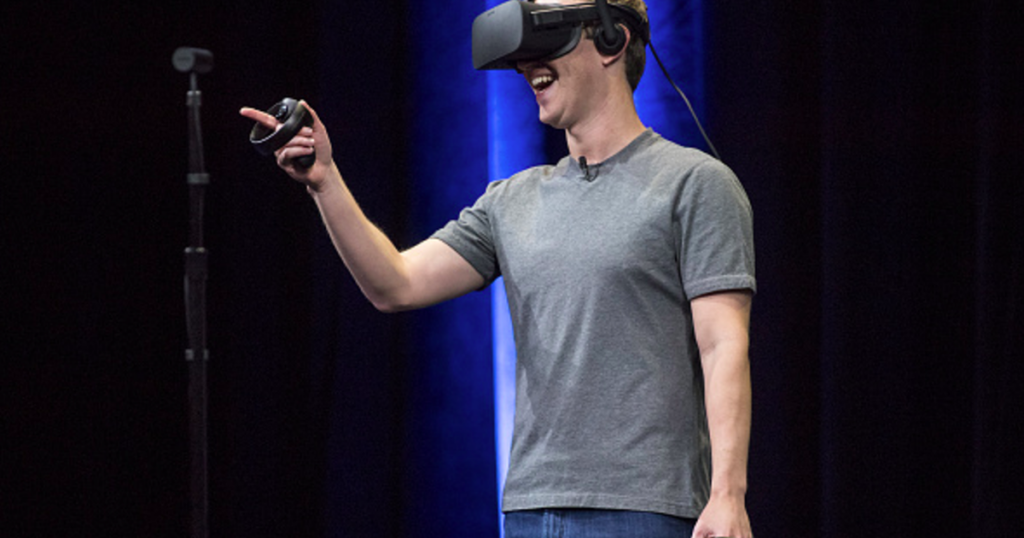
Zuckerberg’s fascination wasn't just about gaming. During early demonstrations of the Oculus Rift prototype, he experienced a profound sense of 'presence'—the psychological illusion of actually being somewhere else, with other people. For a man whose life’s work was connecting people digitally, VR represented the ultimate evolution of human communication. Instead of looking at flat photos and text on a smartphone screen, future users would share physical-feeling spaces, no matter how many miles separated them.
How Oculus Changed a Man: The Pivot to Meta
The acquisition of Oculus was more than a corporate merger; it was a psychological turning point for Zuckerberg. It fundamentally altered his public persona, corporate strategy, and long-term ambitions.
- The Hardware Obsession: Zuckerberg transitioned from running a purely software-and-services company to managing complex global supply chains, silicon chip design, and ergonomic hardware manufacturing.
- The Rebranding of an Empire: In late 2021, Facebook officially changed its corporate name to Meta. This wasn't just a marketing ploy to escape privacy scandals; it was the physical manifestation of Zuckerberg's total commitment to the virtual reality vision he bought into back in 2014.
- Financial Resilience in the Face of Skepticism: Zuckerberg poured tens of billions of dollars into Reality Labs, absorbing massive quarterly losses while Wall Street groaned, proving an unshakeable, almost stubborn dedication to his new paradigm.
Navigating the Critics and Cultural Hurdles

Betting the farm on virtual reality did not come without immense friction. The path from the original Oculus Rift to standalone devices like the Meta Quest 2 and Quest 3 was filled with public skepticism. Critics questioned whether consumers actually wanted to strap heavy plastic screens to their faces. Furthermore, privacy advocates raised alarms about the vast amounts of biometric data headsets could potentially collect—from eye-tracking metrics to room-scanning spatial mapping.
Through it all, Zuckerberg remained the chief defender of the vision. He learned to weather regulatory scrutiny, developer pushback, and massive financial write-downs, emerging as a more resilient, albeit polarizing, tech visionary.
The State of the Metaverse Today
Today, the landscape looks remarkably different from when Palmer Luckey first shipped cardboard development kits to Kickstarter backers. Meta has captured the lion's share of the consumer standalone VR market. While the complete, sci-fi style 'metaverse' is still years away from mainstream daily adoption, enterprise use cases, fitness applications, and social gaming have found a dedicated audience.
Lessons from a Billion-Dollar Bet
Zuckerberg’s journey with Oculus offers a masterclass in modern tech leadership. It demonstrates the importance of looking past immediate quarterly earnings to chase foundational platform shifts. Whether the metaverse ultimately becomes the dominant mode of human computer interaction or remains a niche tool, the decision to buy Oculus irrevocably reshaped Meta’s DNA.
Conclusion
Mark Zuckerberg entered the virtual reality space as a social media billionaire looking to secure his company's future. He emerged as a hardware pioneer willing to burn billions of dollars to redefine how humanity computes. The Oculus acquisition was the catalyst that transformed him from a software executive into the chief architect of our digital future.