How Quincy Jones Turned Talent Into Cash
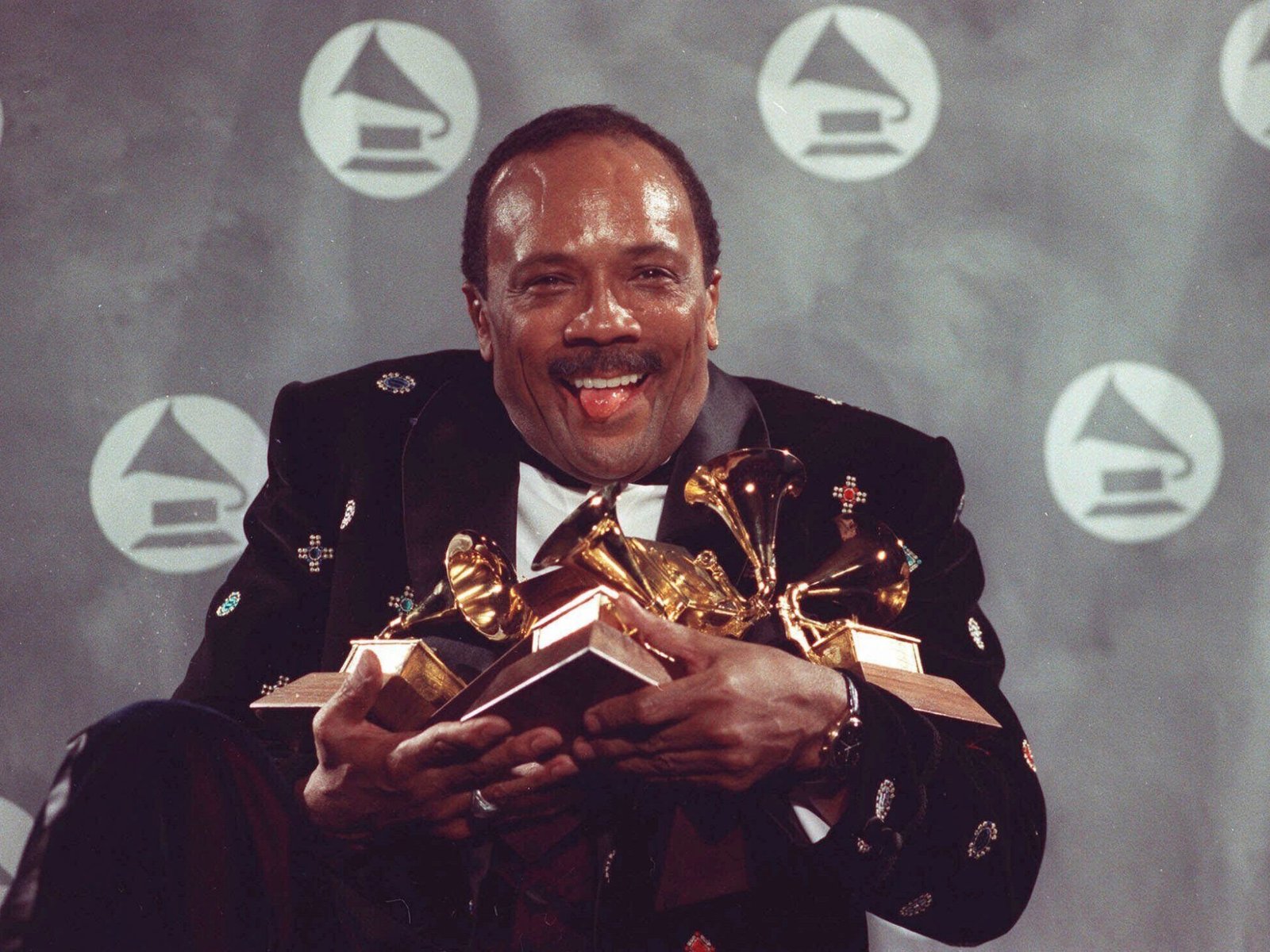
When people think of Quincy Jones, they usually picture the mastermind behind Michael Jackson’s Thriller, Frank Sinatra’s slickest arrangements, or groundbreaking television scores. But beyond his legendary status as a 28-time Grammy winner, Jones was a pioneering entrepreneur. Understanding how Quincy Jones turned talent into cash: breaking down his billion-dollar journey reveals a masterclass in diversification, intellectual property ownership, and cultural foresight.
Jones did not just work for a paycheck. He built a multifaceted business empire that spanned record production, film and television development, tech investments, and media publishing. Here is how he transformed raw musical genius into sustainable, generational wealth.
Mastering Multiple Revenue Streams in Music
Quincy Jones entered the music industry during an era when artists were often treated as disposable commodities. Record labels took the lions share of profits, leaving performers with little more than upfront session fees and modest royalties. Jones quickly realized that relying solely on performance or production fees was a dead end.
To secure his financial future, Jones positioned himself across every facet of the creative process:
- Arranging and Producing: By crafting the definitive sound of tracks for artists like Lesley Gore and Ray Charles, he commanded top-tier production fees.
- Publishing Rights: Jones understood the long-term value of copyright. Owning publishing shares ensured he profited every time a song was played, covered, or synchronized.
- Label Ownership: In 1980, he launched Qwest Records in a joint venture with Warner Bros., allowing him to capture a percentage of label-level profits rather than just artist royalties.
Expanding Beyond Music: Television and Film
While music made him a household name, television and film cemented his financial dominance. Jones was the first African American to be musical director for the Academy Awards (1971) and quickly transitioned into executive producing visual media.
His breakthrough came when he co-produced Steven Spielberg’s 1985 masterpiece, The Color Purple. Not only did the film earn 11 Academy Award nominations, but it also established Quincy Jones Productions as a powerhouse in Hollywood. He went on to executive produce the hit television sitcom The Fresh Prince of Bel-Air, a move that created a massive, enduring syndication asset that continues to generate revenue decades later.
Strategic Media Ventures and Joint Partnerships
Jones was never afraid to partner with major corporations to scale his personal brand. In 1993, he teamed up with Time Warner to launch Vibe magazine, a publication that defined hip-hop culture and urban lifestyle for a generation. By capturing a massive, underserved demographic, Vibe became a cultural authority and a lucrative media property.
He also formed Quincy Jones-David Salzman Entertainment (QDE), a multimedia company encompassing television, digital media, and event production. By retaining equity in these ventures, Jones ensured that his income wasn't tied solely to his personal physical output.
Smart Tech Investments and Global Branding
Long before Silicon Valley became the default playground for aging celebrities, Quincy Jones was investing in technology and consumer products. He recognized that the future of entertainment lay in distribution platforms and hardware.
His strategic foresight is evident in several key areas:
- Audio Equipment: Jones partnered with high-end headphone manufacturer AKG and co-founded Geneva Lab, lending his name and acoustic expertise to premium consumer electronics.
- Digital Streaming: He was an early investor in Spotify and various digital music platforms, capitalizing on the shift from physical CDs to streaming subscription models.
- Global Entertainment: He produced large-scale international events, such as the Montreux Jazz Festival, expanding his brand footprint into live global experiences.
The Blueprint for Modern Creative Entrepreneurs
Quincy Jones’s financial legacy offers a clear roadmap for modern artists, producers, and creators. He proved that creative talent and business acumen are not mutually exclusive. By refusing to sign away his publishing, expanding into visual media, and investing in emerging technologies, Jones bridged the gap between artistry and enterprise.
Ultimately, his journey demonstrates that the highest level of success belongs to those who own their work, diversify their portfolios, and look beyond the immediate transaction to build a lasting legacy.