How Rance Allen’s Voice Shaped Paul Porter’s Message
When music historians examine the most seismic vocal lineages in modern gospel, few stories resonate quite like how Rance Allen’s voice shaped Paul Porter’s message to the world! Long before contemporary gospel filled arenas and dominated mainstream airwaves, pioneer vocalists had to forge their own paths through unyielding passion, raw grit, and uncompromising faith. Bishop Rance Allen was the undisputed lightning rod of that movement, and his singular sound became a direct blueprint for Paul Porter’s transformative global ministry.

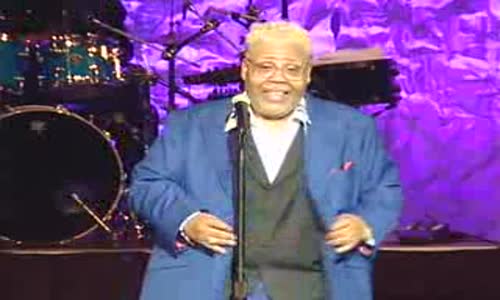
While listeners know Paul Porter as the commanding, gravel-toned powerhouse behind The Christianaires and an accomplished solo artist, his sonic identity did not emerge in a vacuum. Porter spent his formative years absorbing the daring vocal delivery and unapologetic soulfulness that Allen introduced to sacred music. To understand Porter’s enduring impact, one must explore the deep vocal, spiritual, and artistic footprint left by the legendary Bishop of Gospel Soul.
The Raw Power and Vocal Revolution of Bishop Rance Allen
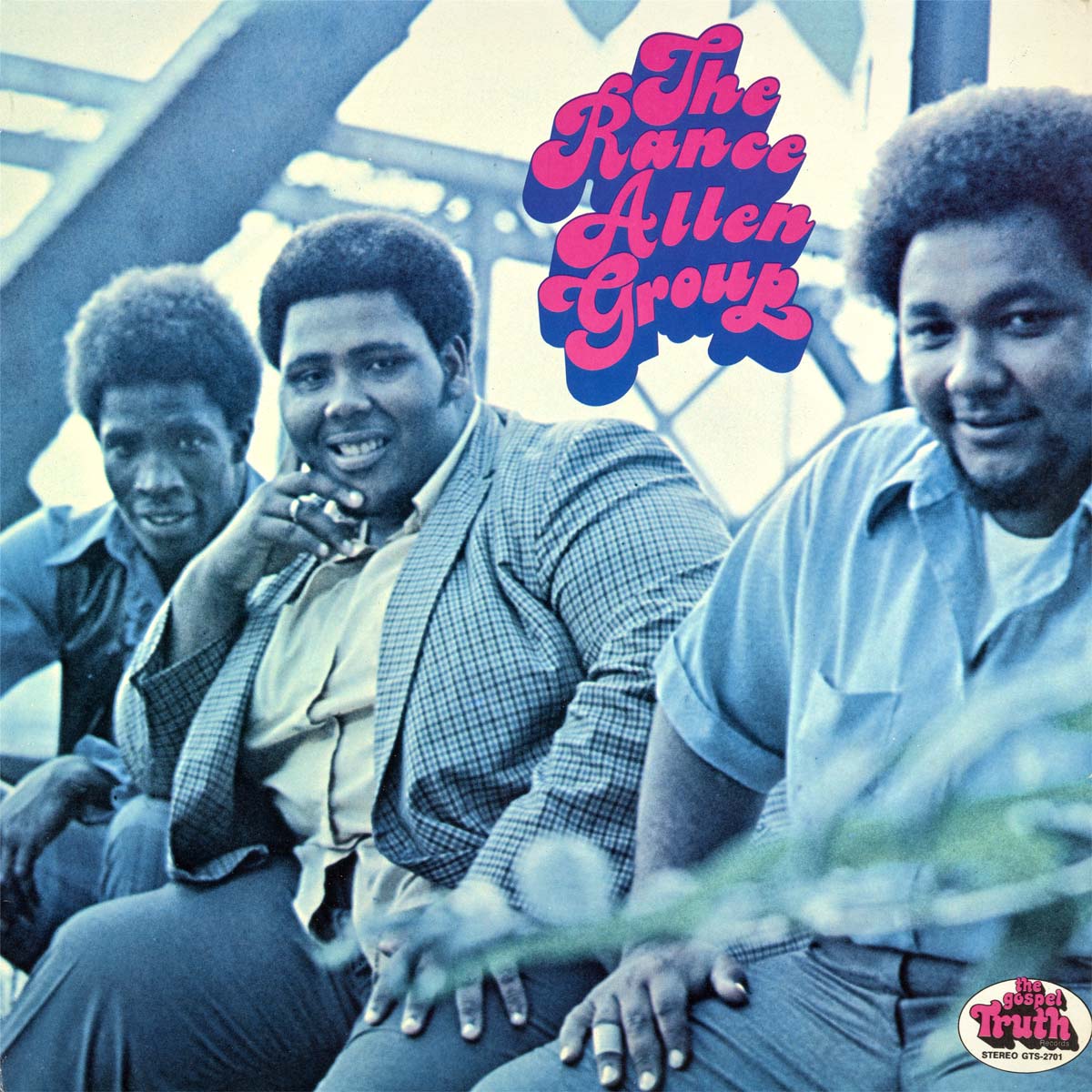
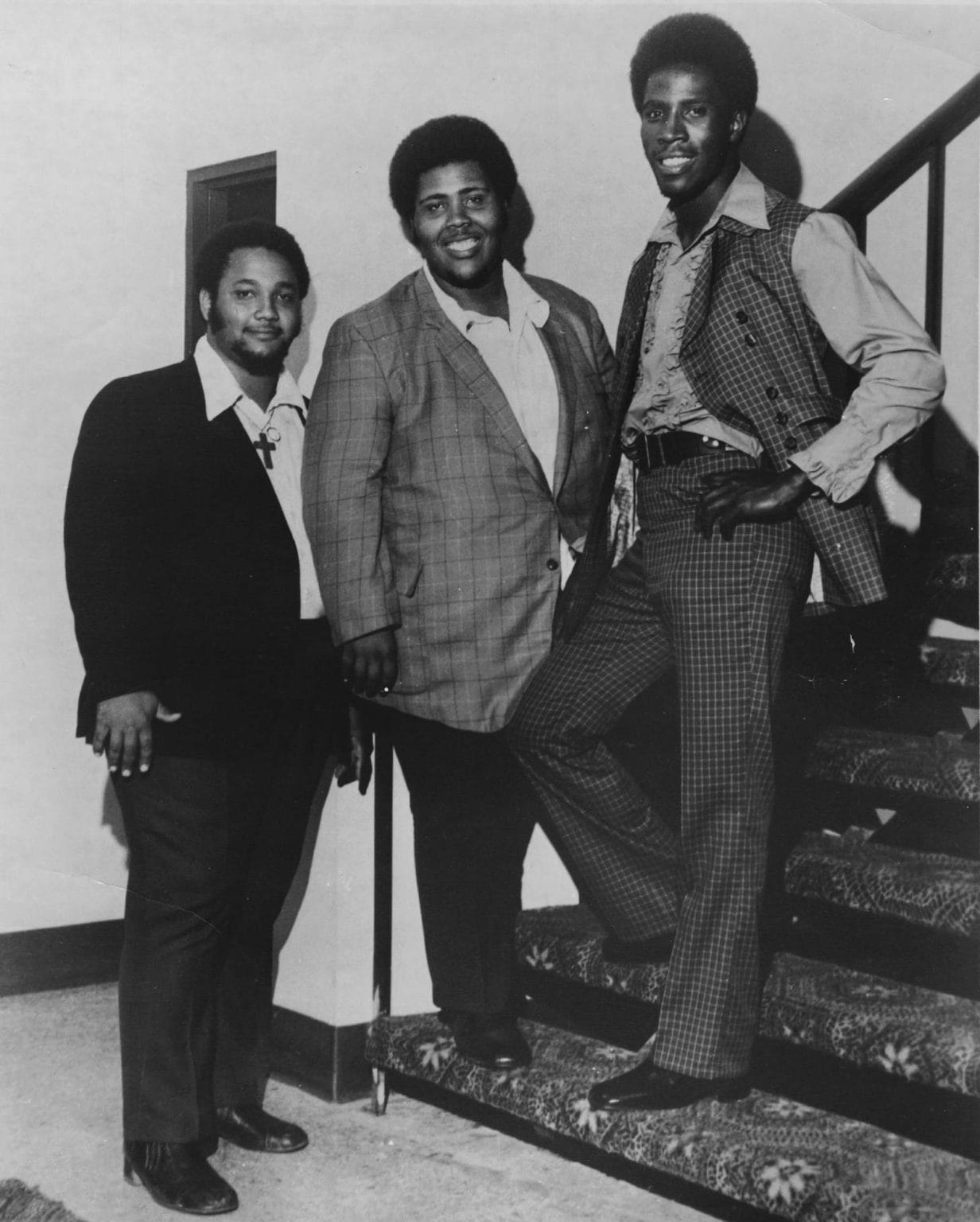
To grasp why Rance Allen made such an indelible impression on Porter, one must revisit the musical landscape of the late 1960s and early 1970s. Alongside his brothers Thomas and Steve, Rance Allen dared to fuse the gritty rhythm and blues of Stax Records with church-born devotion. His vocal instrument was unlike anything heard in traditional pews:
- Elastic vocal range: Allen could pivot seamlessly from a rumbling, gut-bucket baritone growl to a piercing, multi-octave falsetto shriek.
- Soul-drenched phrasing: Drawing from Otis Redding and James Brown, Allen injected rhythmic urgency and physical sweat into every note.
- Unvarnished vulnerability: Every run, ad-lib, and cry carried the emotional weight of personal struggle and spiritual triumph.
For young artists like Paul Porter coming up through the traditional quartet circuits, Allen offered definitive proof that sacred singing did not have to remain polite or predictable. It could be ferocious, emotionally naked, and fiercely contemporary.
How Rance Allen’s Voice Shaped Paul Porter’s Message to the World!
The impact of Allen’s technique on Porter goes far beyond surface-level emulation. It became the lens through which Porter discovered his own vocal identity and shaped the message he carried to audiences across continents. Several distinct artistic touchpoints illustrate this profound connection:
1. Preaching Through Dynamic Extremes
One hallmark of Paul Porter’s singing with The Christianaires—and later in his solo work—is his masterful use of dynamics. Just like Allen, Porter learned that a song’s message hits hardest when delivered through contrast. He begins with quiet, conversational baritone phrasing, drawing the listener close, before unleashing an earth-shaking, full-throated belt that demands attention. Allen modeled how vocal volume and texture can act as an emotional pulpit, turning simple lyrics into undeniable spiritual testimonies.
2. The Sacred Growl and the Sound of Conviction
Few singers possess a raspy growl as recognizable as Paul Porter’s. That distinct rasp is not a mere technical embellishment; it is an inheritance from Rance Allen’s vocal philosophy. For both vocalists, vocal distortion was used deliberately to signal urgency. When Porter sings of redemption, endurance, and grace, the grit in his voice communicates lived pain and hard-fought victory—a direct reflection of Allen’s revolutionary delivery on classics like "Ain't No Need of Crying" and "I Belong to You."
3. Fearless Genre Blending
Rance Allen shattered expectations by recording with Stax imprint Gospel Truth, showing that gospel lyrics could ride atop funk, rock, and southern soul grooves. Porter embraced this same artistic courage when leading The Christianaires. He infused traditional quartet arrangements with driving basslines, modern drums, and R&B sensibilities, ensuring the message reached listeners outside the traditional church walls. Porter understood, because Allen showed him first, that the message must never be compromised, but the delivery vehicle must evolve.
Overcoming Adversity: The Resilience Behind the Sound
Beyond musical mechanics, Allen’s vocal ethos gave Porter the spiritual fortitude required for his own life’s greatest trials. In the mid-1990s, Porter suffered a massive brain aneurysm and stroke that left him unable to speak or walk. Doctors offered grim prognoses regarding his future, let alone his singing career.
During his long and grueling rehabilitation, the unshakeable faith embedded in the music of mentors like Allen sustained him. Porter not only relearned how to speak and walk, but his vocal instrument returned with even greater gravitas and authority. When Porter stepped back on stage, his voice carried the same miraculous conviction that defined Allen’s iconic performance of "Something About the Name Jesus." The struggle was audible in the tone, making the message of hope irresistible to hurting listeners worldwide.
The Enduring Blueprint for Modern Gospel Vocalists
The creative lineage between Rance Allen and Paul Porter provides valuable lessons for aspiring singers, vocal coaches, and music enthusiasts today:
- Cultivate Authenticity Over Technical Perfection: While both singers commanded extraordinary pitch and agility, they prioritized raw emotional connection over sterile technique.
- Use Your Voice as an Instrument of Healing: Neither Allen nor Porter sang merely to entertain. Their delivery was tailored to minister to those experiencing grief, marginalization, or spiritual fatigue.
- Honor Your Mentors While Finding Your Own Cadence: Porter never became a mere clone of Allen. Instead, he absorbed Allen’s vocal freedom and channeled it through his distinctive baritone-tenor timbre to create something wholly his own.
A Legacy of Vocal Fire and Hope
When Bishop Rance Allen transitioned in October 2020, the gospel world mourned the loss of a pioneer whose voice had altered the trajectory of sacred music. Yet his impact continues to reverberate every time Paul Porter takes the stage, grips the microphone, and pours his heart out to audiences around the globe.
By blending technical boldness with unwavering purpose, Rance Allen did more than introduce unforgettable vocal runs—he empowered an entire generation of vocalists to sing with total abandonment. Through Paul Porter, Allen’s fire, soul, and transformative message continue to inspire, heal, and uplift listeners in every corner of the world.