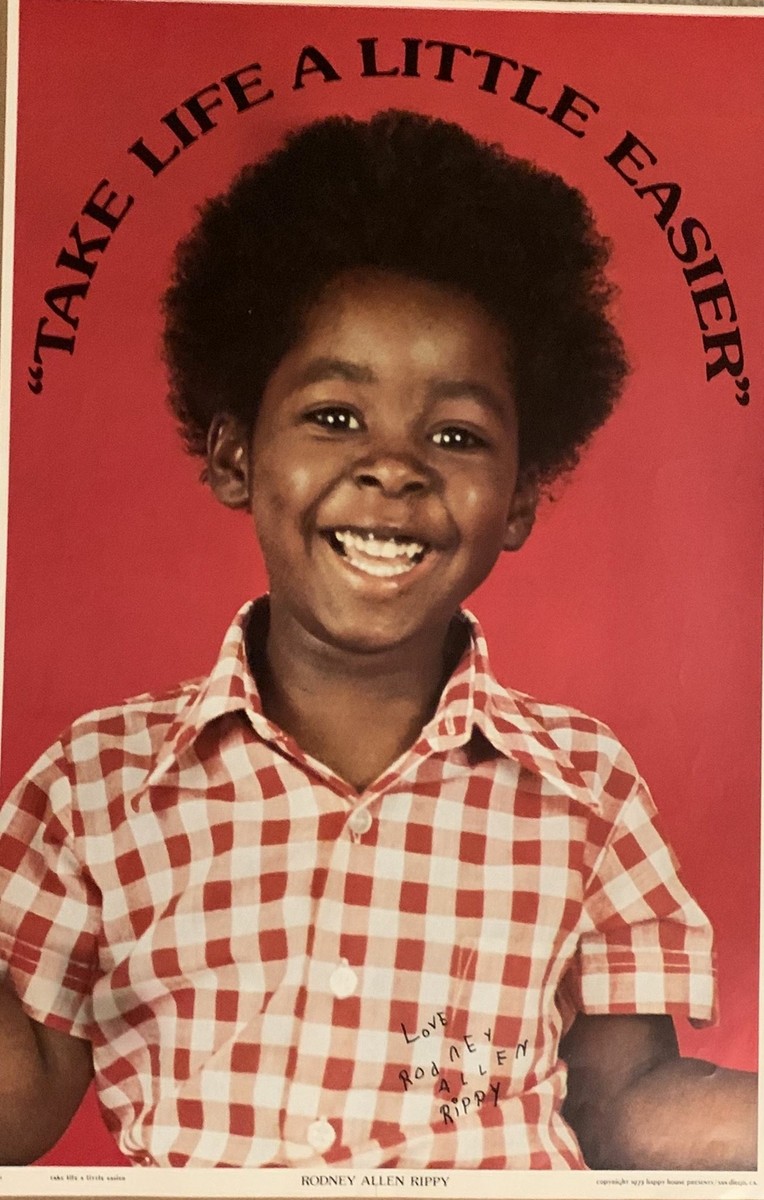
How Rodney Allen Rippy Crafted Ads That Stopped People
In 1973, television advertising experienced a watershed moment when a three-year-old boy named Rodney Allen Rippy took a seat in front of a giant hamburger. Viewers across the country stopped channel surfing, mesmerized by his candid charm and infectious laughter. Examining how Rodney Allen Rippy crafted ads that stopped people in their tracks reveals a timeless masterclass in television marketing: authenticity, physical comedy, and unvarnished innocence consistently outperform rigid corporate scripting.

The 1973 Commercial That Captured America
During the early 1970s, fast-food advertising was dominated by slick jingles, polished actors, and predictable sales pitches. Fast-food chain Jack in the Box wanted a fresh angle to promote their flagship burger, the Jumbo Jack. They hired agency Johnston, Todd & Associates, who cast three-year-old Rodney Allen Rippy. The creative premise was disarmingly simple: place a towering, multi-layered hamburger in front of an adorable toddler and film what happens.
The resulting commercial was pure television magic. Rodney, dressed in a simple collared shirt, eyed the enormous sandwich with wide-eyed wonder. He gripped the burger with his small hands, opened his mouth as wide as physically possible, and tried desperately to take a bite. After several failed attempts, he looked directly into the camera and delivered the immortal line: "It's too big to eat!"
Video: 1973-74, Jack in the Box, Jumbo Jack, Rodney Allen Rippy, fast food commercial

The campaign instantly struck a cultural chord. Rather than showing a rehearsed adult feigning delight, Jack in the Box gave audiences a real, relatable moment of human struggle and triumph that commanded undivided attention.
How Rodney Allen Rippy Crafted Ads That Stopped People In Their Tracks
The monumental success of the campaign was no accident of luck; it relied on fundamental psychological triggers that broke through the static of commercial television. Several key factors explained why these spots halted viewers mid-stride:
- Radical Authenticity Over Scripted Perfection: While contemporary commercials featured child actors reciting memorized marketing slogans, Rodney’s reactions were unvarnished. His giggles, pauses, and clumsy hand movements felt like home video footage rather than a corporate pitch.
- The Visual Power of Contrast: Placing a massive, multi-pat
Image Gallery