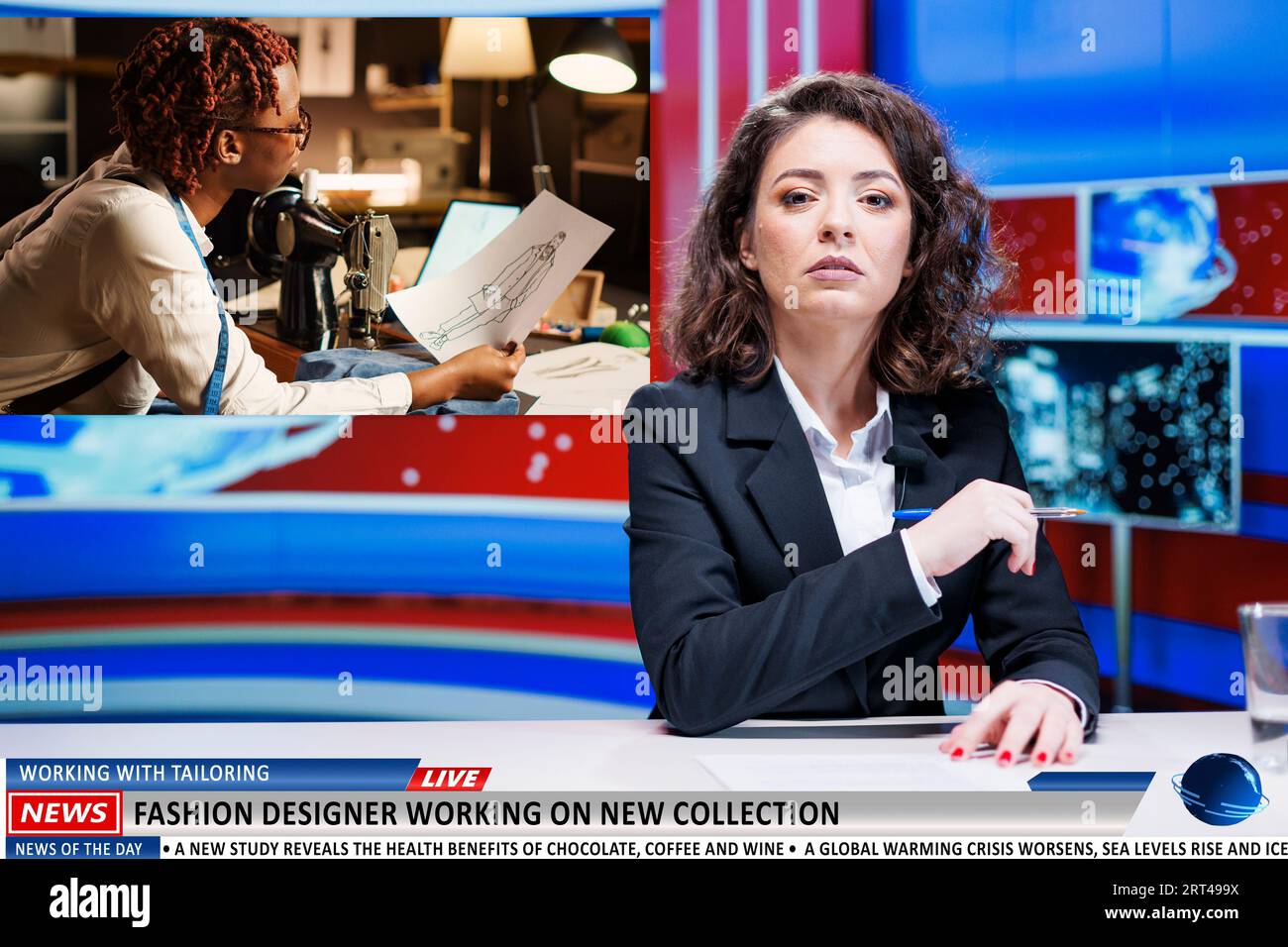
How to Become a Professional Fashion Presenter
Introduction to Fashion Presenting

The role of a fashion presenter goes far beyond simply standing in front of a camera and looking stylish. Whether reporting live from a major red carpet event, hosting a digital shopping show, or guiding viewers through a runway show at London Fashion Week, a skilled fashion presenter combines deep industry knowledge with magnetic charisma and sharp communication skills. In a digital-first world where video content dominates brand marketing, the demand for articulate, knowledgeable on-screen talent has never been higher.
Breaking into this competitive industry requires a blend of natural talent, rigorous preparation, and business acumen. This guide explores what it takes to build a successful career as a fashion presenter, from mastering on-camera techniques to building a professional portfolio.
Core Skills Every Fashion Presenter Needs
To succeed in front of the lens, you need a diverse skill set that bridges journalism, performance art, and style expertise. While a passion for clothing and trends is essential, technical and interpersonal abilities are what secure long-term contracts.
On-Camera Confidence and Vocal Control
A professional presenter must command the camera with ease. This means maintaining natural eye contact through the lens, projecting warmth and authority, and speaking with clear articulation. Voice modulation is critical; you must know how to build excitement during a high-energy collection reveal or lower your tone for an intimate designer interview.
Deep Industry Knowledge
Viewers and producers can immediately spot someone who lacks authenticity. A credible fashion presenter understands fashion history, current market trends, sustainable fashion initiatives, and the business mechanics behind major design houses. You should be able to identify garment construction, fabrics, and silhouettes instantly, using correct industry terminology without sounding pretentious.
Improvisation and Live Broadcasting
Live television and digital streams rarely go completely to plan. Teleprompters fail, schedules shift, and interviewees give unpredictable answers. A top-tier presenter thinks quickly on their feet, ad-libbing smoothly to fill dead air or gently steering a rambling conversation back on track.
Steps to Break Into the Industry
Entering the media and entertainment space requires a strategic roadmap. Very few presenters stumble into major roles overnight; most build their careers through consistent, targeted effort.

- Build Your Digital Portfolio: Start creating your own content. Launch a YouTube channel, produce high-quality Instagram reels, or host a style podcast. Producers want to see how you look and sound on camera before they hire you.
- Gain Relevant Experience: Take on smaller gigs to build your resume. This might include hosting local charity fashion shows, interviewing attendees outside boutique store openings, or working as a backstage reporter for independent designers.
- Develop a Signature Style: While you must be versatile, having a distinct personal aesthetic helps you stand out in a crowded market. Brands often hire presenters whose personal brand aligns with their target demographic.
- Create a Professional Showreel: Your showreel is your calling card. Compile your best 60 to 90 seconds of on-camera work, showcasing different hosting styles, interview segments, and live reporting. Keep it punchy and put the strongest clip in the first ten seconds.
Understanding Different Hosting Platforms
The media landscape offers diverse avenues for a fashion presenter. Diversifying your experience across multiple platforms increases your marketability and earning potential.
Television and Live Broadcast
Traditional TV networks, morning shows, and dedicated lifestyle channels still offer prestigious opportunities. These roles usually involve strict timing, earpiece direction from producers, and massive audiences. Reliability and composure under pressure are paramount here.
Digital Channels and Social Media
Brands now invest heavily in digital-first content, including YouTube series, TikTok live streams, and Instagram takeovers. Digital presenting often requires a more conversational, approachable tone and a strong understanding of social media algorithms and audience engagement.
E-Commerce and Home Shopping
Live-stream shopping is a massive global market. Presenting for e-commerce platforms requires a unique talent for driving sales while educating viewers on fit, fabric, and styling options. It requires immense energy, stamina, and persuasive communication.
Networking and Professional Development
In the fashion and media industries, who you know matters just as much as what you know. Networking is an active, ongoing part of the job.
Attend industry events, fashion exhibitions, and networking mixers whenever possible. Build genuine relationships with stylists, photographers, brand marketing managers, and production crews. Often, your next big job will come through a personal recommendation from a colleague who trusts your professionalism and work ethic.
Finally, invest in continuous improvement. Take public speaking courses, take acting or improv classes, and stay updated on global cultural shifts that influence modern style. By combining dedication with continuous skill development, you can carve out a rewarding and dynamic career in this exciting field.