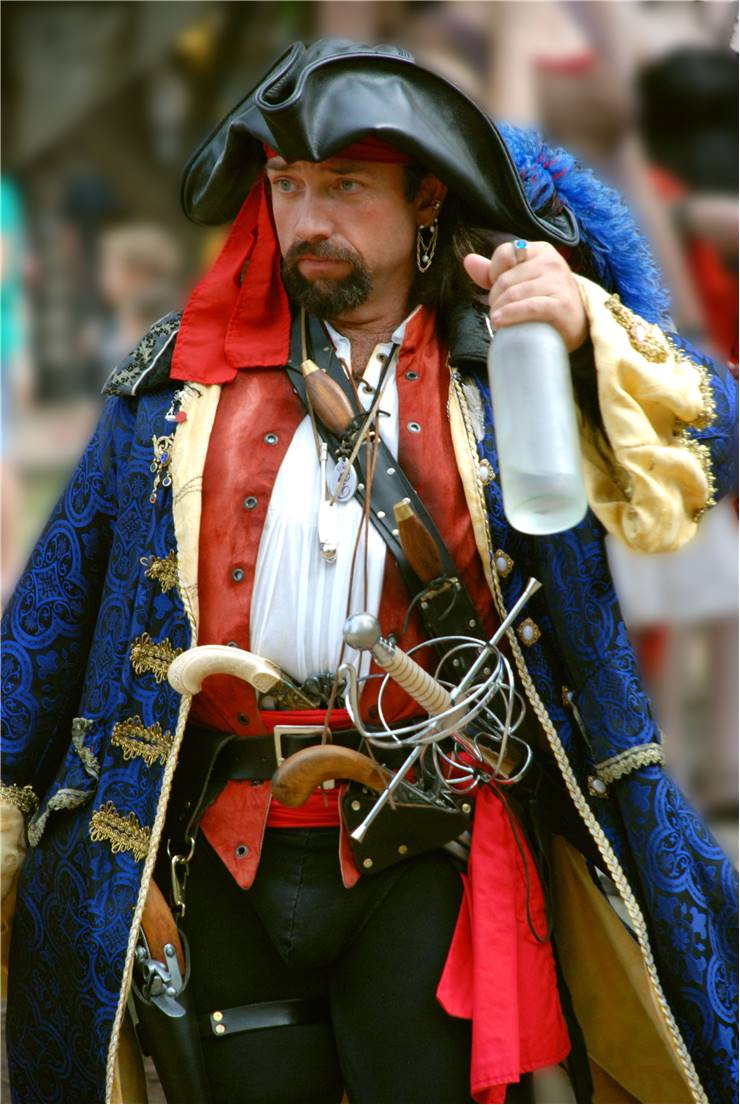
How to Build a Realistic Pirate Outfit That Impresses
When most people think of a pirate costume, they picture shiny polyester vests, plastic hook hands, and rubber parrots straight from a discount party store. While those work for a quick laugh, they fall flat for historical reenactments, high-end cosplay, or themed events. If you want to turn heads and look like you just stepped off a Golden Age galleon, you need a realistic pirate outfit built from authentic textures, proper layering, and weather-worn details.

Real 17th and 18th-century pirates did not wear matching uniforms. Instead, they were practical opportunists who wore cast-off sailor clothes, captured merchant gear, and whatever functional garments they could acquire in port. Building an authentic look requires understanding how to layer these historical elements effectively.
The Foundation: Shirts and Breeches
Every great maritime ensemble starts from the skin out. Avoid slick synthetics; historical accuracy demands natural fibers like linen, cotton, and wool.
The Pirate Shirt
The classic slouchy white shirt is a staple, but ditch the cheap rayon. Look for an off-white, cream, or natural linen shirt with a V-neck or lace-up collar and voluminous sleeves gathered at the wrist. Linen breathes well and develops a wonderful, lived-in texture the more you wear and wash it.
Breeches Over Trousers
While modern culture pictures pirates in loose trousers, historical mariners typically wore knee-length breeches paired with long wool stockings. Look for cotton-canvas, heavy linen, or wool breeches that fasten securely just below the knee. If you prefer full-length trousers, choose flat-front canvas pants in earth tones rather than elastic-waist modern slacks.
Layering for Authenticity: Coats and Vests
Pirates lived at the mercy of the sea, meaning they needed heavy layers to fend off wind and salt spray. Layering is the secret weapon to making your outfit look three-dimensional and believable.
- The Waistcoat (Vest): A collarless waistcoat adds instant historical weight. Look for wool, brocade, or heavy cotton with functional metal or bone buttons. Long waistcoats that reach down to the mid-thigh were very popular in the early 1700s.
- The Frock Coat: For colder weather or a captain-level aesthetic, a long, unlined wool or heavy linen coat is essential. Wide cuffs, deep pockets, and prominent brass buttons scream authenticity.
Footwear and Leather Goods
Shoes are often where amateur costumes fall apart. Sneakers or shiny modern dress shoes will ruin the illusion immediately.

Boots and Shoes
Real pirates wore low-heeled leather shoes fastened with buckles, or simple leather slip-ons. If you need tall boots for practical comfort, choose slouchy, brown leather riding boots with minimal hardware. Avoid modern zippers or shiny patent leather. You can easily add buckle shoe covers (spats) to ordinary leather boots to achieve an 18th-century buckled look.
Belts, Baldrics, and Buckles
A thick leather belt with a heavy brass buckle anchors your waistline. Better yet, add a baldric—a cross-body leather strap designed to hold a cutlass or rapier. Real leather smells right, looks rugged, and serves a practical load-bearing purpose for your gear.
Accessories and Weathering Details
The difference between a costume and a truly realistic pirate outfit lies in the accessories and the weathering.
Headwear and Hair
Tri-corner hats and wool knit caps (slop caps) are historically accurate. If you wear a headscarf or bandana, tie it securely and let the fabric look slightly faded. Avoid perfectly styled modern hair; add some sea salt spray, braids, or dreads to capture that unwashed maritime lifestyle.
Skip the plastic eye patch. If you use one, buy a genuine leather patch with a simple cord. Add props like a canvas navigation map, a wooden tankard, or a leather pouch for coins rather than cheap plastic toy weapons.
The Power of Weathering
Brand-new clothes look out of place on a buccaneer. To make your outfit look authentic, you need to weather it. Rub fine sandpaper gently along the cuffs and hems to create natural fraying. Use a mixture of water and brown acrylic paint or tea staining to add dirt and salt-stain effects to the bottom of your coat and trousers. A sun-faded fabric wash will instantly strip away the 'store-bought' look and give your gear decades of imagined history.
By swapping cheap synthetics for natural fibers, focusing on layered earth tones, and weathering your garments, you will craft a realistic pirate outfit that looks rugged, historical, and remarkably impressive.