How To Create Stunning Figurative Language Arts
Words have the power to build entire worlds in the reader's mind, but plain, literal descriptions often fall flat. If you want to move your audience, evoke genuine emotion, and turn ordinary prose into unforgettable literature, you need to master how to create stunning figurative language arts. Whether you are crafting poetry, writing a novel, or polishing a personal essay, learning to weave creative comparisons and sensory details transforms good writing into true art.
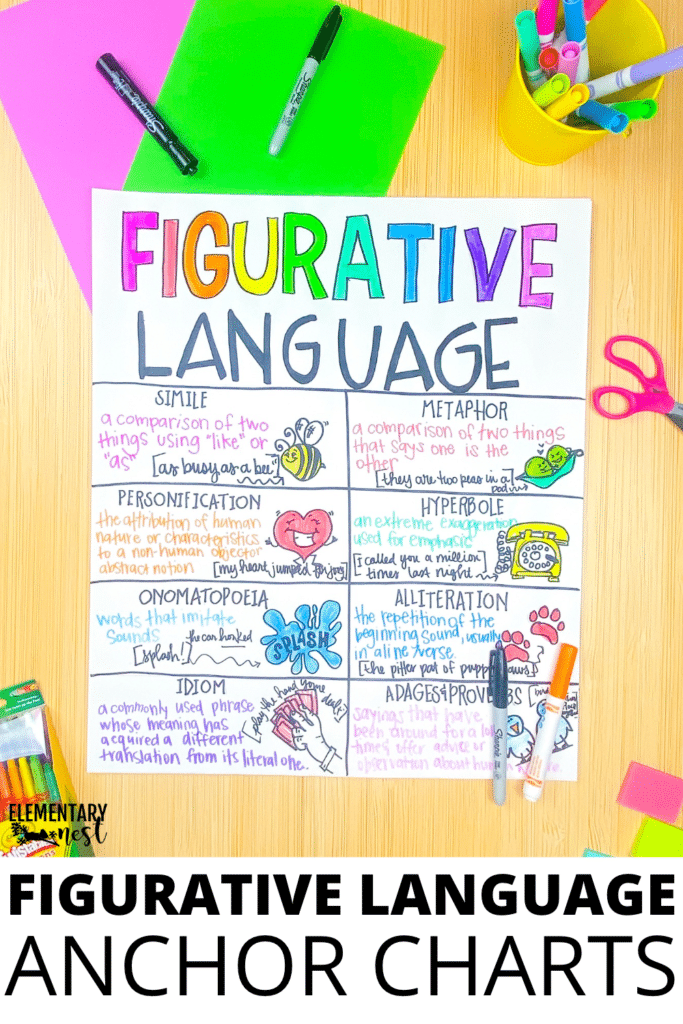
Figurative language goes beyond the literal meanings of words to give new insights, create striking visuals, and establish a distinct mood. This guide breaks down the essential devices and practical steps you need to elevate your writing.
Understanding the Core Elements
Before you can craft breathtaking figurative art with your words, you must understand the primary tools at your disposal. Each device serves a specific purpose in shaping how the reader perceives your message.
Metaphors and Similes: The Power of Comparison
Comparisons form the backbone of figurative writing. A simile compares two unlike things using "like" or "as" (e.g., *Her courage was like a shield*), while a metaphor makes a direct comparison by stating one thing *is* another (e.g., *Her courage was a shield*).
- Avoid cliches: Skip overused comparisons like "busy as a bee" or "cold as ice." Instead, look for fresh, unexpected parallels.
- Keep it consistent: Do not mix unrelated metaphors within the same sentence or paragraph, as this creates mental clutter for the reader.
Personification and Anthropomorphism
Giving human qualities to non-human objects or abstract ideas breathes life into your setting. When the wind "whispers through the pines" or time "marches relentlessly forward," the inanimate world becomes an active participant in your narrative.
Video: The art of the metaphor - Jane Hirshfield

Hyperbole and Understatement
Exaggeration for effect—such as saying, "I've told you a million times"—highlights extreme emotion or scale. Conversely, strategic understatement can pack an equally powerful emotional punch by letting the reader fill in the unspoken gravity of a situation.
Step-by-Step Guide on How To Create Stunning Figurative Language Arts
Mastering these literary tools requires deliberate practice. Follow this step-by-step process to infuse your writing with vivid, artistic flair.
- Engage All Five Senses: Great figurative language is rooted in sensory details. Do not just describe what a scene looks like; incorporate sound, texture, smell, and taste. Use synesthesia—crossing sensory boundaries like "a loud shirt" or "sweet silence"—to jolt the reader's imagination.
- Brainstorm Unexpected Connections: Take a mundane object, such as a coffee mug or a streetlamp, and brainstorm five unexpected things it could represent. Challenge yourself to move past the first obvious idea.
- Layer Your Imagery: Combine different devices for a richer texture. Pair a strong visual metaphor with resonant auditory imagery to create a multi-dimensional scene.
- Draft Without Editing, Then Refine: Let your creativity flow freely during the drafting stage. Once your ideas are on the page, go back and trim overwritten metaphors that distract from the core narrative.
Common Pitfalls to Avoid
While figurative language enhances your writing, overusing it can overwhelm the reader. Here is how to keep your prose balanced:
- Purple Prose: Piling too many adjectives and ornate metaphors on top of each other suffocates the story. Let your figurative language breathe.
- Mixed Metaphors: Stating that "We need to row our ducks in a row before we cross this bridge" creates a comical mental image rather than a profound one.
- Loss of Clarity: If a metaphor is so abstract that the reader cannot figure out what you are describing, scale it back to something more grounded.
Conclusion
Learning how to create stunning figurative language arts is an ongoing journey of observation, experimentation, and revision. By stepping away from literal descriptions and engaging the senses with fresh metaphors and vivid imagery, you invite your readers to experience your writing on a deeper, more emotional level. Pick up your pen, look at the world from a new angle, and start painting with your words today.


