How to Easily Debone Drumsticks Like a Pro
Mastering the Art of Deboning Drumsticks

Chicken drumsticks are packed with flavor, juicy, and usually very budget-friendly. However, eating around a center bone isn't always convenient, especially if you want to make skewers, stir-fries, or stuffed chicken dishes. Learning the technique of deboning drumsticks opens up a whole new world of culinary possibilities, allowing you to enjoy dark meat chicken in formats that normally require boneless breasts or thighs.
While it might look intimidating at first, removing the bone from a chicken leg is a straightforward process once you understand the anatomy of the bird. With a sharp paring knife and a few minutes of practice, you can transform ordinary drumsticks into versatile, boneless cuts ready for your favorite recipes.
Tools You Need for the Job
Before you begin, gathering the right equipment will make the process faster, cleaner, and much safer. Working with poultry requires attention to hygiene and precision.
- A sharp paring knife or boning knife: A dull knife slips easily, which increases the risk of injury and tears the meat.
- A clean cutting board: Preferably plastic or a dedicated composite board used exclusively for raw meat.
- Kitchen shears: Useful for snipping stubborn tendons or cartilage if your knife struggles.
- Paper towels: For patting the chicken dry to prevent the meat from slipping in your hands.
Step-by-Step Guide to Deboning Drumsticks
Follow these simple steps to remove the bone cleanly while keeping the maximum amount of meat intact on the drumstick.
Step 1: Prep and Clean the Drumstick
Start with thoroughly chilled chicken straight from the refrigerator, as cold meat holds its shape much better than room-temperature meat. Pat the drumstick dry with paper towels to ensure a secure, non-slip grip. Place it flat on your cutting board.
Step 2: Cut Around the Ankle Joint
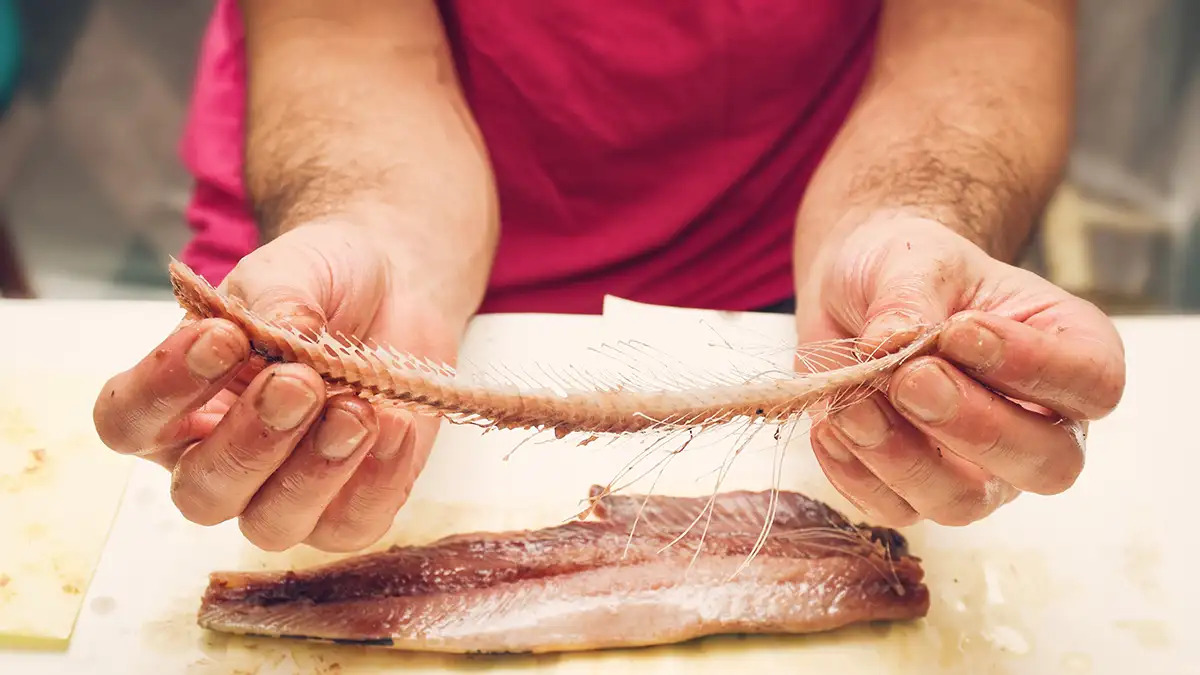
Locate the narrow end of the drumstick (the ankle joint) where the foot was attached. Using the tip of your knife, make a complete circular incision through the skin and flesh all the way around the bone, severing the connective tissue right above the knuckle. This frees the top of the bone and allows you to access it easily.
Step 3: Scrape Down the Bone
Hold the drumstick vertically by the exposed top bone, pointing downward toward the board. Using short, gentle scraping motions with the blade of your knife pointed slightly downward, push the meat and tendons away from the shaft of the bone. Work your way gradually down from the narrow end toward the wider base of the drumstick.
Step 4: Pop the Joint and Remove the Bone
Once you have scraped the meat down past the middle of the bone, use your fingers or the back of your knife to push the remaining meat off the large knuckle at the base. Once the joint is fully exposed, bend it backward to pop the joint out of its socket. Twist and pull upward to completely remove the bone from the surrounding meat. Run your fingers inside the cavity to check for any leftover cartilage or small slivers of bone.
Tips for Success and Best Practices
To get the best results when deboning poultry at home, keep these practical tips in mind:
- Don't discard the bones: Save the extracted bones in a freezer bag. Once you have accumulated enough, simmer them with onions, garlic, and herbs to make a rich, flavorful chicken bone broth.
- Keep your knife sharp: A sharp blade cuts through tendons cleanly instead of tearing the muscle fibers, resulting in a cleaner presentation.
- Leave the skin on or off: You can peel the skin off before or after deboning depending on whether you want a leaner cut or plan to crisp the skin during cooking.
Delicious Ways to Use Boneless Drumsticks
Now that you have successfully removed the bones, you can use your prepared meat in a variety of exciting ways. Boneless dark meat cooks quickly and stays remarkably moist compared to chicken breasts.
Try flattening the deboned meat slightly, stuffing it with garlic, herbs, and cream cheese, and securing it with kitchen twine for a gourmet roasted main course. Alternatively, chop the meat into bite-sized cubes for quick-cooking skewers, teriyaki stir-fries, or flavorful taco fillings. By mastering this simple kitchen skill, you can elevate your weeknight cooking without spending extra money on pre-packaged boneless cuts.