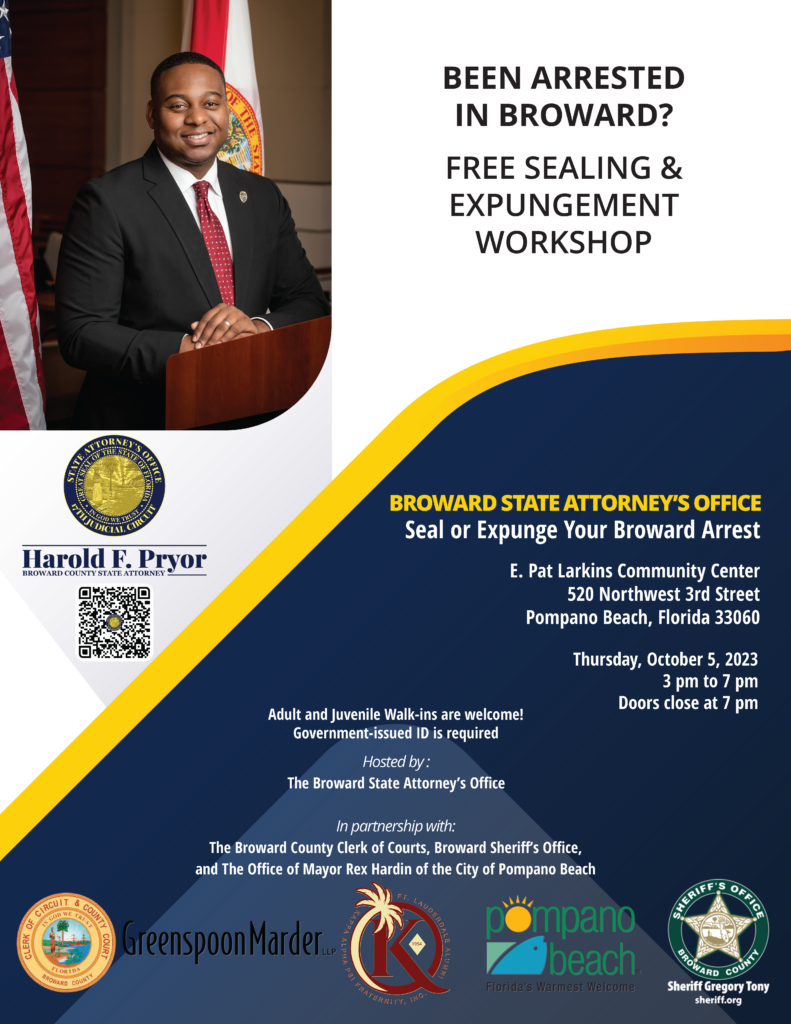
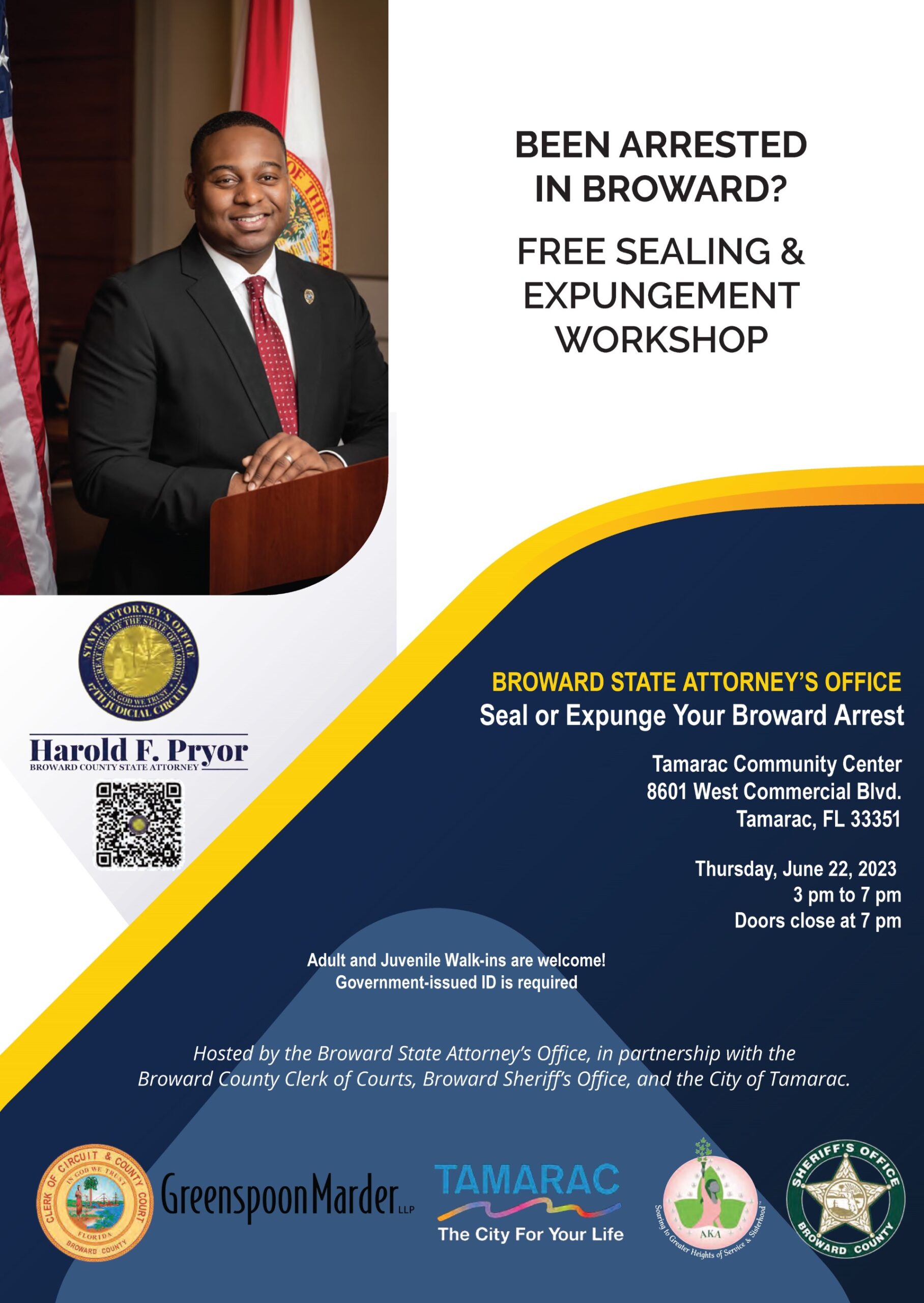
How to Expunge Your Record in Broward County
A past criminal record can create significant hurdles when you are trying to secure a job, find housing, or further your education. Fortunately, Florida law allows eligible individuals to clear their past mistakes. If you are hoping to expunge record Broward County courts, understanding the legal process and meeting strict state requirements is essential.

While the terms "sealing" and "expunging" are often used interchangeably, they have distinct legal definitions in Florida. This guide breaks down how the process works in Broward County, who qualifies, and the exact steps you need to take.
Expungement vs. Sealing in Florida
Before beginning your petition, it is vital to know whether you qualify for an expungement or a sealing. Both processes remove your criminal history from public view, but they treat the underlying government records differently.
- Record Sealing: This process keeps your criminal court file confidential. However, certain government agencies, law enforcement entities, and specific employers (such as schools and financial institutions) can still view the sealed record.
- Record Expungement: This goes a step further. The court orders the physical destruction or removal of your criminal history file. All physical and electronic records held by the arresting agency, the Broward County Clerk of Courts, and the State Attorney are destroyed, except for one confidential copy retained by the Florida Department of Law Enforcement (FDLE).
Once a record is successfully expunged, you are legally permitted to deny or fail to acknowledge the arrest in most circumstances, including on most job applications.
Eligibility Requirements to Expunge Record Broward County
Florida law enforces strict eligibility criteria for expungving a criminal record. You cannot expunge just any offense. Generally, to qualify in Broward County:
- Adjudication Withheld: You must have received a disposition of "adjudication withheld" or had your charges dropped, dismissed, or nolle prossed. If you were formally convicted (adjudicated guilty), you generally cannot seal or expunge that record, with very few exceptions.
- No Prior Sealing or Expungement: You cannot have previously sealed or expunged another criminal record anywhere in the state of Florida. The state only grants one expungement or sealing in a person's lifetime.
- Waiting Period: If your case resulted in a dismissal or nolle prosse, you can typically apply immediately. If you completed a diversion program and received an adjudication withheld, you may need to wait until you successfully complete probation or the diversion term.
- Disqualifying Offenses: Florida Statutes (specifically Section 943.0585) list numerous offenses that can never be expunged, regardless of the case outcome. These include capital felonies, violent crimes, certain sexual offenses, arson, domestic violence, and DUI.
Step-by-Step Guide to the Broward County Expungement Process
Clearing your record requires patience and meticulous attention to detail. The process involves multiple state and local agencies in Broward County.
Step 1: Obtain Your Certified Disposition
You must obtain a certified copy of the final disposition for the case you wish to clear. You can request this from the Broward County Clerk of Courts website or by visiting the courthouse in downtown Fort Lauderdale. Make sure the document officially reflects the final outcome of your charges.
Step 2: Apply for a Certificate of Eligibility from FDLE
You cannot file a petition directly with the Broward County court without first obtaining a Certificate of Eligibility from the Florida Department of Law Enforcement.
- Complete the Application for Certificate of Eligibility (available on the FDLE website).
- Submit your fingerprints taken by a law enforcement agency or authorized fingerprinting service.
- Pay the required state processing fee (currently $75).
- Include your certified court disposition.
The FDLE review process can take several months. Once approved, the state will mail you an official, stamped Certificate of Eligibility.
Step 3: File the Petition and Affidavit in Broward County
Once you receive your certificate from the FDLE, you have a limited window (usually 12 months) to file it with the court. You must file a Petition to Expunge along with a supporting affidavit.
- File your paperwork with the Broward County Clerk of Courts.
- Serve copies of the petition and complete packet to the Broward County State Attorney's Office and the arresting law enforcement agency.
Step 4: Attend the Court Hearing (If Required)
In many straightforward cases, a judge will review the petition and sign the order to expunge without requiring a hearing. However, if the State Attorney objects or the judge requests more information, a hearing will be scheduled. Having an experienced criminal defense attorney represent you during this stage can dramatically improve your chances of success.
Why Legal Representation Matters
While individuals are legally permitted to navigate the expungement process on their own, even minor errors on paperwork can lead to immediate rejection by the FDLE or the Broward County court, costing you time and money. A local criminal defense attorney who routinely handles cases in the 17th Judicial Circuit can ensure your petition is error-free, handle communication with the State Attorney, and advocate on your behalf if a hearing is required.
Clearing your criminal past is a powerful step toward a fresh start. By understanding the rules and following the proper legal channels, you can successfully expunge your record in Broward County and open doors to new personal and professional opportunities.