How to Find and Use a UPS Drop Off Point
Whether you are returning an online purchase, sending a gift to a family member, or fulfilling an order for your small business, locating an authorized ups drop off point is often the fastest way to get your parcel into transit. Instead of scheduling a paid carrier pickup at your doorstep or waiting at home during delivery windows, dropping off a pre-labeled parcel gives you complete control over your schedule.
However, not every drop-off site provides the same services. Some locations accept massive boxes and handle packing on-site, while others are limited to compact parcels with digital QR codes. Understanding how these sites operate ensures your package leaves on time and reaches its destination without delays.
The Main Types of UPS Drop-Off Locations
UPS operates a multi-tiered network of facilities and partner businesses. Depending on what you are shipping and whether your label is already printed, you will want to select the facility that matches your needs.
1. The UPS Store
The UPS Store locations are full-service retail centers. They are independently owned franchises that offer comprehensive shipping, packaging, and office services. If your package is unboxed, requires specialty cushioning, or you need to print a physical shipping label from an email or USB drive, this is the best option. They also process "no-box, no-label" returns for major retailers like Amazon.
2. UPS Access Point Locations
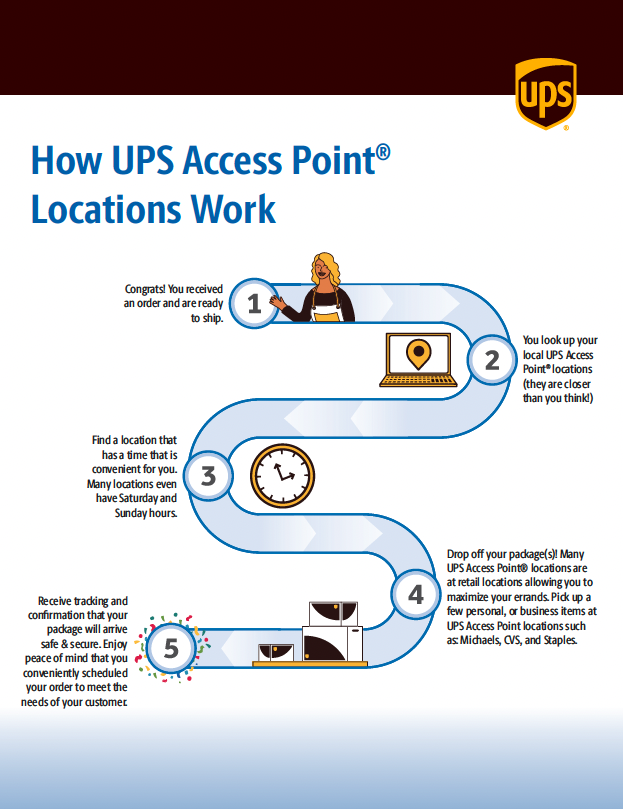
UPS Access Points are local neighborhood businesses—such as CVS Pharmacy locations, Advance Auto Parts, local grocery stores, and independent dry cleaners—partnered with UPS to provide secure package drop-offs and pickups. These locations are ideal for pre-packaged, pre-labeled shipments. While they rarely sell packing supplies or print traditional adhesive labels, many can scan digital return barcodes or mobile QR codes directly from your smartphone.
3. UPS Drop Boxes
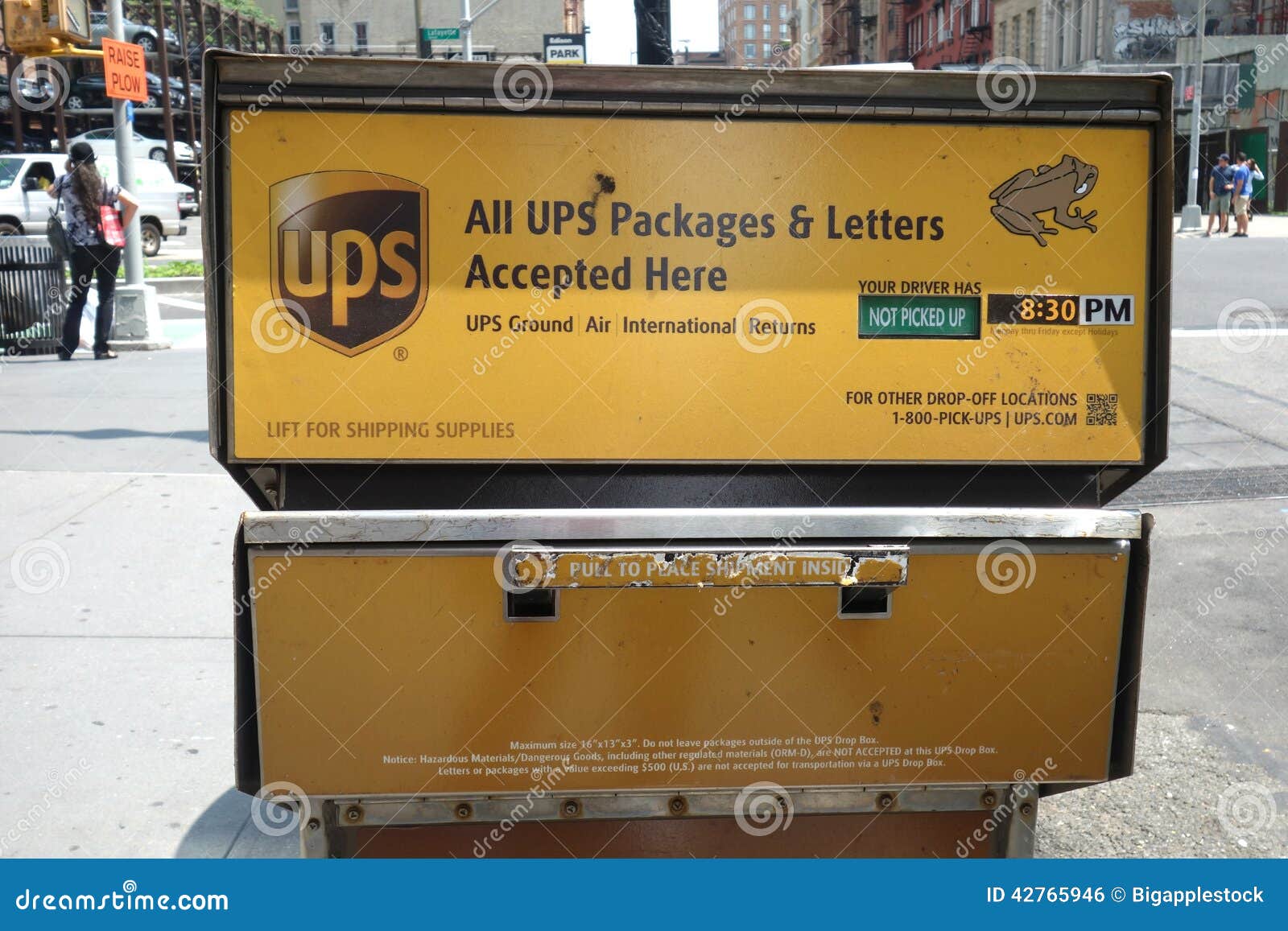
Standalone UPS Drop Boxes are situated outside commercial office buildings, shopping centers, and transit hubs. They provide 24/7 access, making them convenient for late-night or early-morning drop-offs. However, they have strict physical limitations: packages must not exceed 16 x 13 x 10 inches, and hazardous materials or ground freight are strictly prohibited.
4. UPS Customer Centers

Typically attached to major UPS sorting hubs and freight facilities, Customer Centers handle high-volume shipping, heavy packages, and international shipments requiring detailed customs documentation. If you need to ship an irregularly shaped crate, a package weighing up to 150 pounds, or a time-critical early morning air parcel, a Customer Center is your most capable option.
How to Choose the Right UPS Drop Off Point
To avoid arriving at a counter only to be turned away, evaluate your package against these four operational factors before leaving home:
- Package Dimensions and Weight: UPS Access Point locations generally cap individual package weights at 44 pounds (20 kg) and maximum lengths at 38 inches. If your box exceeds these parameters, skip retail partners and head directly to The UPS Store or a UPS Customer Center, where parcels up to 150 pounds and 108 inches in length are standard.
- Label Readiness: Do you have a physical shipping label taped to the box? If yes, any location works. If you only have a carrier QR code on your phone, verify whether the location supports mobile code scanning. Most UPS Stores and select Access Points support this, but Drop Boxes do not.
- Need for Proof of Drop-Off: If your item is valuable or tied to a strict return refund policy, you need a physical receipt showing the initial acceptance scan. Drop Boxes cannot provide receipts. Choose a staffed retail counter instead.
- Fragile or Unpacked Items: If your item needs bubble wrap, customized boxing, or fragile handling decals, only full-service centers can provide those materials.
Preparing Your Package for Drop-Off
Proper preparation prevents transit damage, lost shipments, and carrier surcharges. Follow these standard packing guidelines prior to visiting your drop-off site:
- Use a Rigid, Undamaged Box: Avoid reusing battered cardboard boxes with creased corners. If reusing a box, black out or completely peel off any old barcodes, hazardous material stickers, or address labels to prevent automated sorting machines from routing your parcel incorrectly.
- Secure the Contents: Ensure there is at least two inches of cushioning material (such as kraft paper, foam wrap, or corrugated inserts) between your items and the interior walls of the box. Items should not shift when the package is gently shaken.
- Seal with Heavy-Duty Tape: Never use masking tape, cellophane scotch tape, or string. Use pressure-sensitive plastic shipping tape that is at least two inches wide, applying it along center seams and side edges using the "H-taping" method.
- Position the Label Clearly: Place the shipping label flat on the largest surface of the package. Do not position the barcode over a seam, edge, or closure tape, as wrinkles or tape glare can interfere with automated optical scanners.
Understanding Daily Cutoff Times and Acceptance Scans
Dropping off a box does not necessarily mean it begins moving immediately. Every drop location has a specific ground and air pickup cutoff time. Parcels deposited before the cutoff depart the facility that same evening; parcels handed over after the cutoff sit securely until the following business day's collection.
Always verify the daily collection schedule posted on the door or inside the facility locator tool. A retail partner open until 10:00 PM may have an official UPS driver pickup at 4:30 PM. Depositing your package at 5:00 PM means your shipment effectively starts its journey the next business day.
Whenever possible, hand your parcel to an employee and request a physical paper receipt. The receipt provides concrete legal evidence of the date, exact minute, tracking number, and initial acceptance weight. This documentation is vital if an insurance claim arises or if a merchant claims an online return was never initiated.
Common Drop-Off Mistakes to Avoid
A smooth delivery relies on clear handling. Steer clear of these frequent errors when dropping off your items:
- Leaving Packages Unattended: Never leave a parcel sitting on top of an outdoor Drop Box or unattended on a retail store counter without speaking to an associate. Unscanned packages left in public areas are prime targets for theft and are not covered by UPS liability until scanned into custody.
- Attempting to Ship Restricted Goods via Drop Boxes: Items containing lithium batteries, dry ice, firearms parts, or regulated liquids must be declared at staffed facilities and handled according to specific hazardous materials protocols.
- Confusing Carrier Networks: Be certain your package is marked with a genuine UPS tracking number (almost always beginning with
1Z). Postal carriers and private couriers will not process labels belonging to other delivery services, and dropping a USPS or FedEx box in a UPS receptacle can cause weeks of transit delays while carriers exchange misrouted freight.