How to Get a Kaiser Doctors Note for Work
Navigating employer attendance policies while dealing with an illness or injury can be stressful. If you receive care through Kaiser Permanente, you may eventually need official documentation to justify a medical absence. Securing a kaiser doctors note for work is a straightforward process, but it requires knowing the right steps to take within the system.

Whether you need to excuse a single day of sickness, request time off for a medical procedure, or manage a longer-term medical leave, Kaiser provides several ways to document your health needs. This guide outlines how to request, access, and submit your documentation correctly.
Understanding Kaiser's Policy on Work Excuses
Before requesting documentation, it helps to understand how medical providers handle work notes. Doctors do not automatically issue work excuses for every minor illness. Typically, you must be evaluated during a medical appointment—either in person, by phone, or via video—for a clinician to legally and ethically certify that your condition prevents you from working.
What Information Is Included?
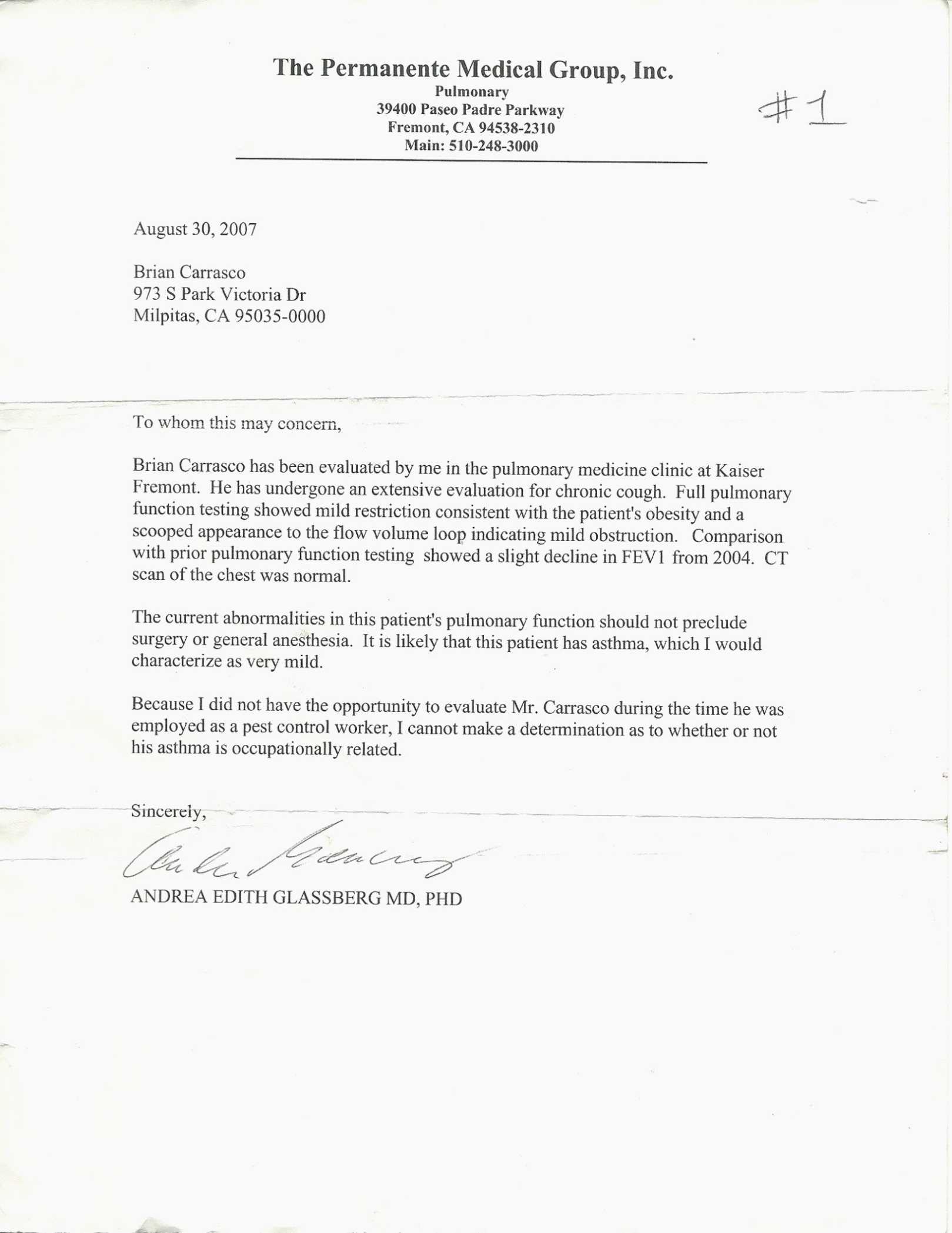
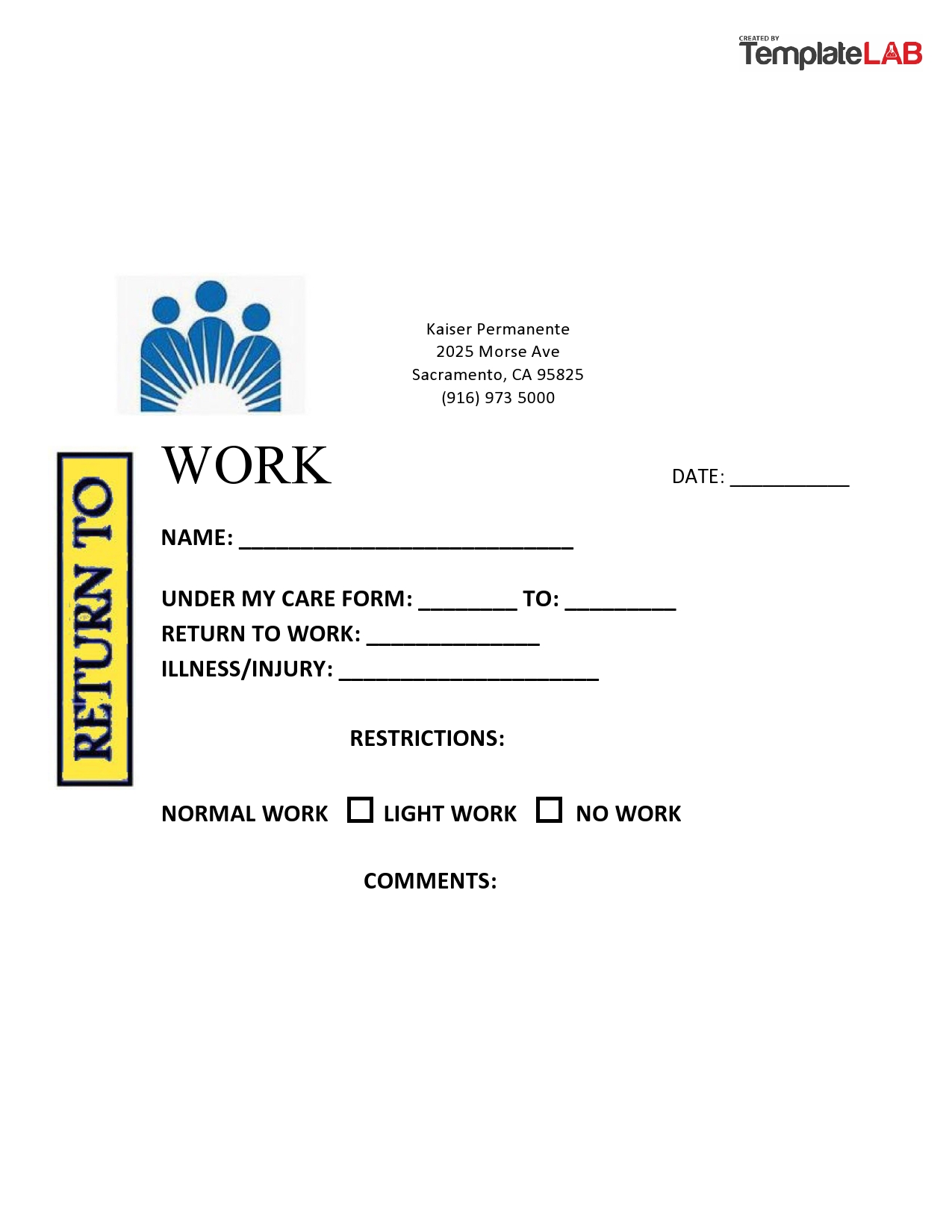
To protect your privacy under HIPAA regulations, a standard medical note generally contains limited information. Employers usually only require specific details regarding your timeline and restrictions rather than your exact diagnosis. A typical Kaiser work note includes:
- Your full legal name
- The date and time of your medical evaluation
- Dates you are excused from work (or allowed to return)
- Any specific work restrictions (e.g., no heavy lifting, limited hours)
- The signature or electronic sign-off of the healthcare provider
How to Request a Kaiser Doctors Note for Work
There are three primary methods for obtaining a work excuse through Kaiser Permanente, depending on your current situation and how you received care.
1. Ask During Your Appointment
The easiest and most direct way to get a note is to ask your clinician directly during your visit. If you are seeing a doctor for an acute illness, injury, or follow-up, simply mention near the end of the appointment: "I will need a doctors note for my employer covering these dates." The provider can often generate and print the note before you leave the clinic.
2. Request Through the kp.org Online Portal
If you forgot to ask during your visit, or if you had a telehealth appointment, you can often request documentation online:
- Log into your account on kp.org or use the Kaiser Permanente mobile app.
- Navigate to your past appointments or visit history.
- Send a secure message to your doctor's office or care team requesting a work absence verification.
- Specify the exact dates you were seen and the dates you need covered.
Keep in mind that secure messaging response times typically take 24 to 48 hours, so avoid waiting until the last minute if your employer has strict submission deadlines.

3. Contact Member Services or Medical Records
If you need documentation for a past visit and cannot reach your specific care team, you can contact your local Kaiser Permanente facility’s Medical Records department. They can pull your visit history and provide an attendance verification letter confirming the dates you sought medical care at a Kaiser facility.
Submitting the Note to Your Employer
Once you have your document, you need to handle its submission according to your company's human resources guidelines.
Protecting Your Medical Privacy
Under the Americans with Disabilities Act (ADA) and the Family and Medical Leave Act (FMLA), employers are generally entitled to know that you are under the care of a physician and that you cannot perform your job duties. However, they typically do not have the right to know your specific medical diagnosis unless it directly impacts workplace safety or involves a formal leave request like FMLA.
Review your Kaiser note before handing it to your manager or HR department. Ensure it only lists the necessary work restrictions and absence dates, keeping your private health details confidential.
Dealing with Extended Absences and FMLA
If your illness or medical condition requires you to miss more than three consecutive days of work, you may need more than a standard return-to-work note. In these cases, you might require:
- FMLA (Family and Medical Leave Act) paperwork: To protect your job during extended medical leaves.
- Short-Term Disability documentation: If you are eligible for wage replacement benefits.
For these complex forms, you must initiate the request through Kaiser’s Release of Information or Disability departments. These documents require detailed physician completion and often involve a processing fee and a turnaround time of several days to a couple of weeks.
Tips for a Smooth Process
To avoid delays or issues with your employer, keep these best practices in mind:
- Act quickly: Request your note as close to the start of your illness as possible. Employers rarely accept retroactively generated notes for absences that occurred weeks prior without documentation.
- Verify employer requirements: Check your employee handbook to see if your company requires specific wording, a physical signature, or a specific fax number from the medical provider's office.
- Keep copies: Always keep a digital or physical copy of your submitted work note for your own personal records in case discrepancies arise with payroll or HR.