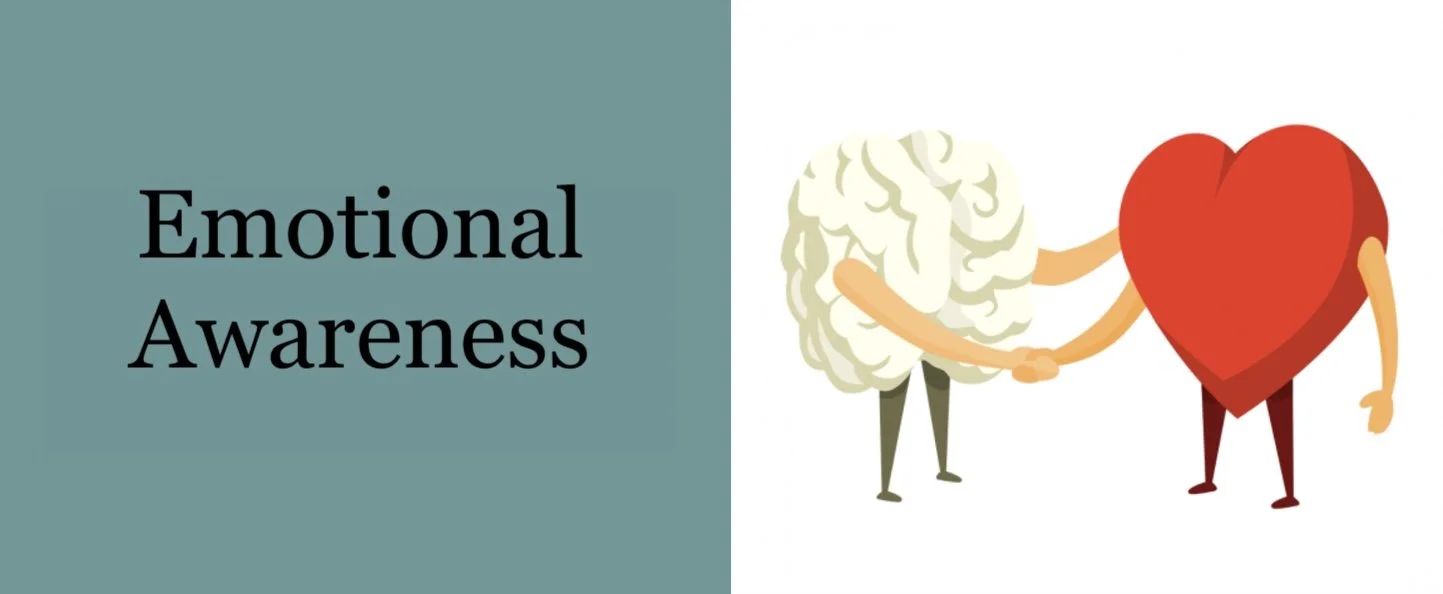
How to Get Instant Access to Emotional Awareness
Most people do not experience their emotions until they reach a boiling point. An unexpected email arrives, an offhand remark lands poorly, or traffic grinds to a halt, and suddenly your chest tightens, your heart races, and irritation takes over. You react before you understand why. Learning how to get instant access to emotional awareness is not about suppressing these impulses; it is about building a rapid feedback loop between your body and your conscious mind so you can choose your response instead of being hijacked by it.

Emotional awareness is often treated like an abstract spiritual concept. In reality, it is a physiological skill grounded in neuroscience. When you understand the biological signals that precede conscious emotion, you can tune into your inner state in seconds, even in high-stakes environments.
The Biology of Emotional Realization: Interoception
Before an emotion becomes a thought, it is a physical sensation. This process is governed by interoception—the nervous system’s perception of internal bodily states, including heart rate, respiration, muscle tone, and visceral sensations.
The anterior insular cortex in your brain continuously monitors these internal shifts. When stress hits, your sympathetic nervous system initiates subtle changes: your stomach constricts, breathing becomes shallow, or your shoulders subtly elevate. If you lack interoceptive clarity, these changes register only as a vague, uncomfortable cloud of "stress." By training yourself to spot these early somatic markers, you shift from passive reactivity to precise, instant recognition.
4 Daily Drills to Get Instant Access to Emotional Awareness
When tension rises, you rarely have twenty minutes to sit in quiet meditation. You need fast, practical interventions that bring clarity in under thirty seconds. Use these four evidence-based techniques to check in with yourself immediately.
1. The 10-Second Interoceptive Scan
Rather than asking "How am I feeling?"—which invites overthinking—ask "What is my body doing right now?" Run a rapid top-to-bottom scan focusing exclusively on four high-density nerve centers:
- The Jaw and Tongue: Are your teeth clenched? Is your tongue pressed against the roof of your mouth? Clenching often signals suppressed frustration or defensive readiness.
- The Throat and Chest: Is your breathing shallow and localized entirely in your upper ribs? Tightness here often indicates anxiety or vulnerability.
- The Solar Plexus and Gut: The enteric nervous system is deeply tied to emotional safety. A knotted or dropping sensation typically corresponds to fear, shame, or dread.
- The Hands: Are your fists curled or fingers tapping? Restlessness here reveals impatience or fight-or-flight energy.
2. High-Granularity Affect Labeling
Neuroimaging research led by Dr. Matthew Lieberman at UCLA reveals that naming an emotion reduces activity in the amygdala and activates the prefrontal cortex—a process known as affect labeling. However, broad labels like "bad," "angry," or "stressed" provide very little regulatory power.
To gain immediate awareness, replace coarse categories with granular descriptors. Instead of saying "I feel stressed," ask which subcategory fits best:
- Is it overwhelm (too many inputs)?
- Is it apprehension (anticipation of negative outcomes)?
- Is it indignation (a perceived breach of fairness)?
- Is it depletion (physical fatigue disguised as emotional distress)?
Finding the exact word instantly collapses the emotional ambiguity and gives your logical mind traction.
3. The Physiological Sigh Diagnostic
Video: How to Increase Your Emotional Intelligence | Dr. Marc Brackett
Sometimes you are too activated to evaluate what you feel. In those moments, you must first reset your autonomic state. The fastest physiological method to accomplish this is the double-inhale "physiological sigh":
- Take two quick inhales through your nose: one deep breath, followed immediately by a sharp second inhale to fully expand the alveoli in your lungs.
- Release a long, slow exhale through your mouth until your lungs are empty.
This dual breath mechanically triggers the vagus nerve, slowing heart rate and dumping carbon dioxide. In the calm space immediately following that single exhalation, your baseline drops enough for your real emotional state to surface clearly.
4. The Diagnostic Curiosity Question
Judgment kills self-awareness. When an unwelcome feeling surfaces, the default reaction is usually self-criticism: "I shouldn't be feeling this way right now." This instinct pushes the emotion into the background, where it continues to drive behavior covertly.
To access awareness on the spot, replace self-criticism with neutral curiosity. Ask yourself a single objective question: "What does this feeling think it is protecting me from?"
Anger often protects against feeling helpless. Irritation protects personal boundaries. Numbness protects against overwhelm. By viewing the emotion as an alert system trying to preserve your safety, you remove the internal resistance that prevents you from understanding it.
Roadblocks: Why You Might Feel Completely Numb
If you try these exercises and feel nothing but a blank wall, you are not broken. Numbness is an active neurological defense, often called hypoarousal. When the nervous system calculates that an emotional experience is too intense to process, it dials down sensation altogether.
Another major obstacle is intellectualization. This happens when you analyze the narrative of your problem—who did what, why they were wrong, what might happen tomorrow—rather than experiencing the visceral sensation in your body. Analysis feels productive, but it is often just a sophisticated way to avoid feeling uncomfortable.
If you find yourself stuck in your head, stop trying to analyze the story. Focus purely on temperature, weight, and pressure: Is my skin warm or cool? Does my chest feel heavy or light? Is there pressure behind my eyes? Grounding in raw physics bypasses intellectual resistance.
Building Real-Time Emotional Fluency
Instant access is not a parlor trick; it is an automatic reflex built through low-stakes repetition. If you only attempt to practice emotional awareness during fierce arguments or career emergencies, you will likely fail.
Incorporate thirty-second "state audits" into your natural routine:
- Whenever you wait for coffee to brew, check your jaw, shoulders, and gut.
- When your hand touches your car door or computer mouse, take one conscious breath and name your current state.
- Before walking into any meeting, identify the precise primary emotion you are carrying into the room.
By making these micro-inquiries routine when stakes are low, you wire the neural pathways required to maintain clarity when the pressure rises. True emotional mastery is not the absence of turbulence; it is the ability to know exactly where you stand in the midst of it.