How to Grow and Care for Iceberg Roses
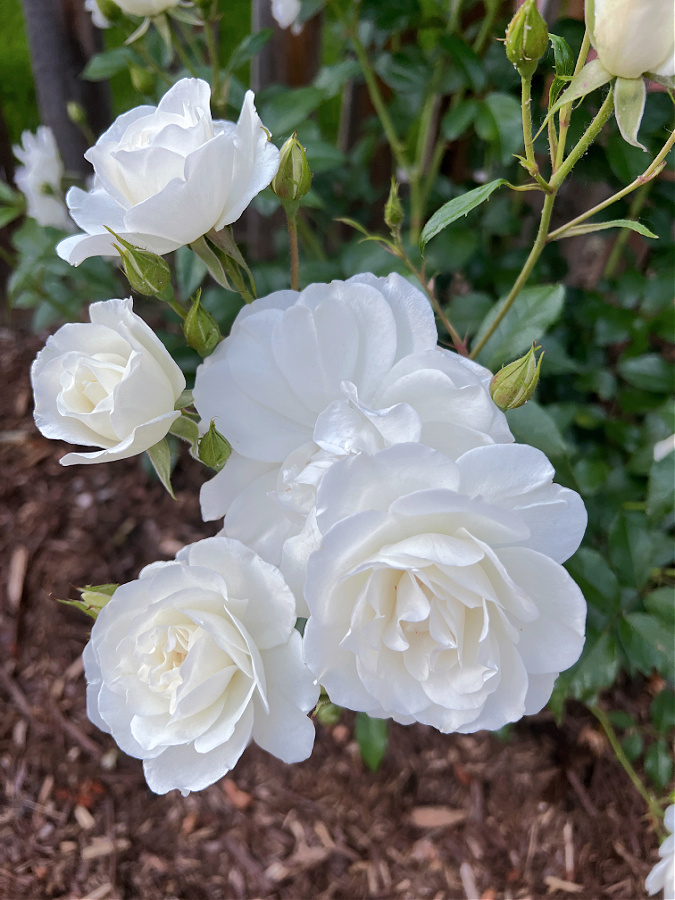
Few flowering shrubs match the sheer reliability and heavy bloom count of iceberg roses. Introduced in 1958, this iconic floribunda rose has earned a permanent place in gardens worldwide. Known for its clusters of crisp, paper-white blossoms and exceptional disease resistance, it performs beautifully whether planted as a hedge, grown in a container, or featured as a standalone focal point in a perennial border.

Understanding the Iceberg Rose
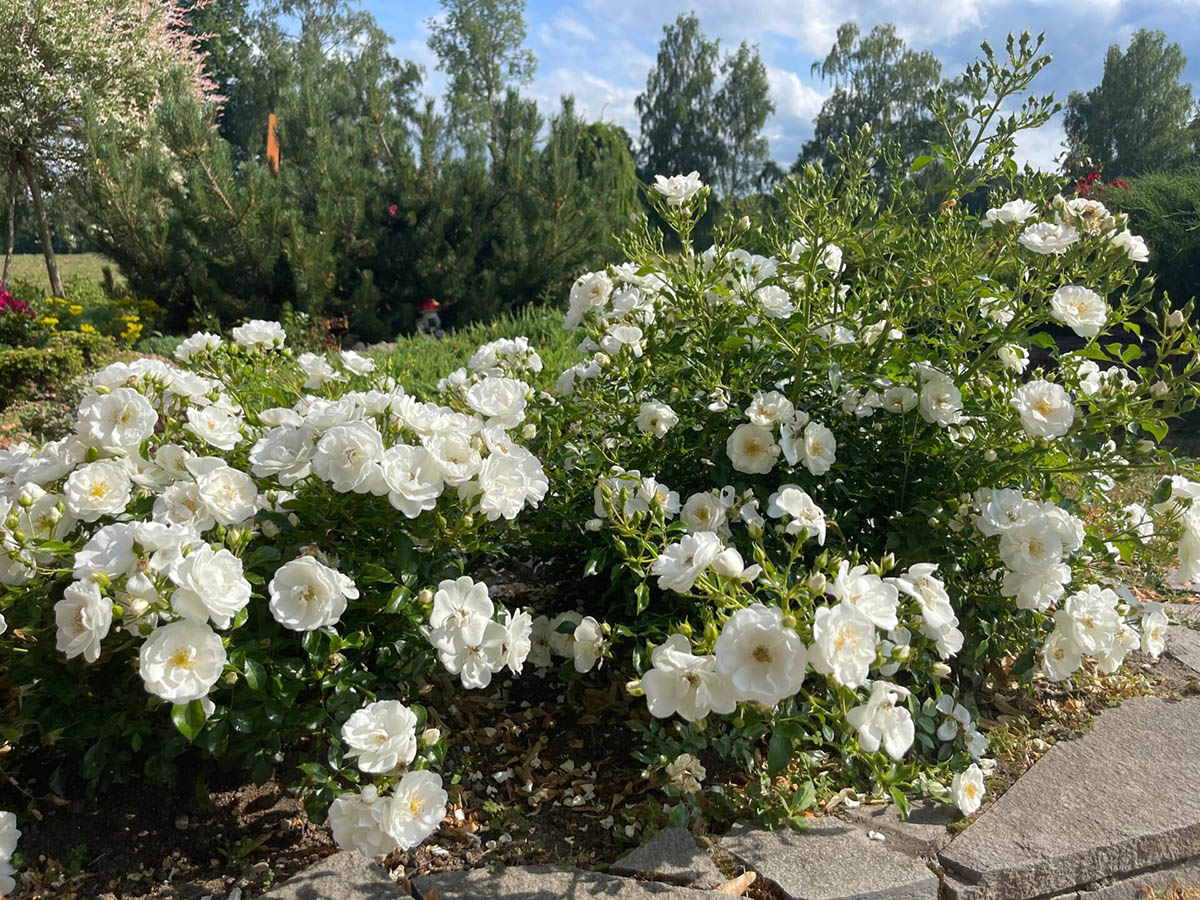
The Iceberg rose is classified as a floribunda, a type bred to produce flowers in large, clustered sprays rather than as solitary exhibition blooms. Typically growing to a height and width of three to four feet, the traditional shrub form has a rounded, bushy habit. In recent decades, climbing sport variants have also become widely available, capable of scaling walls and fences up to twelve feet.
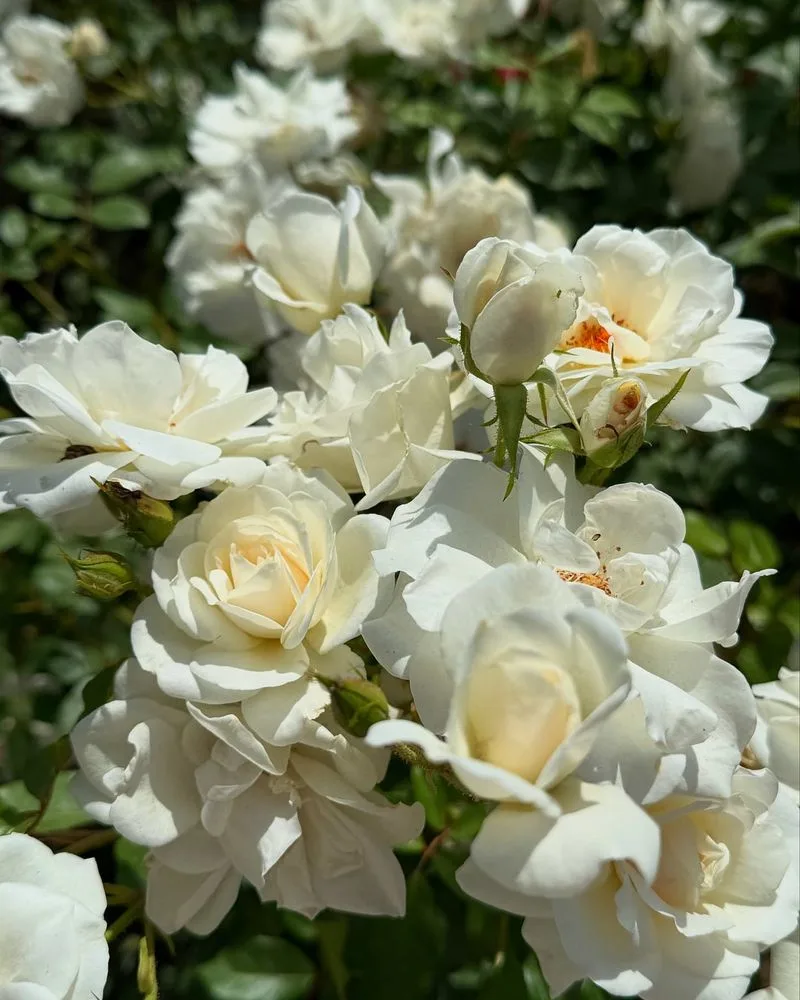
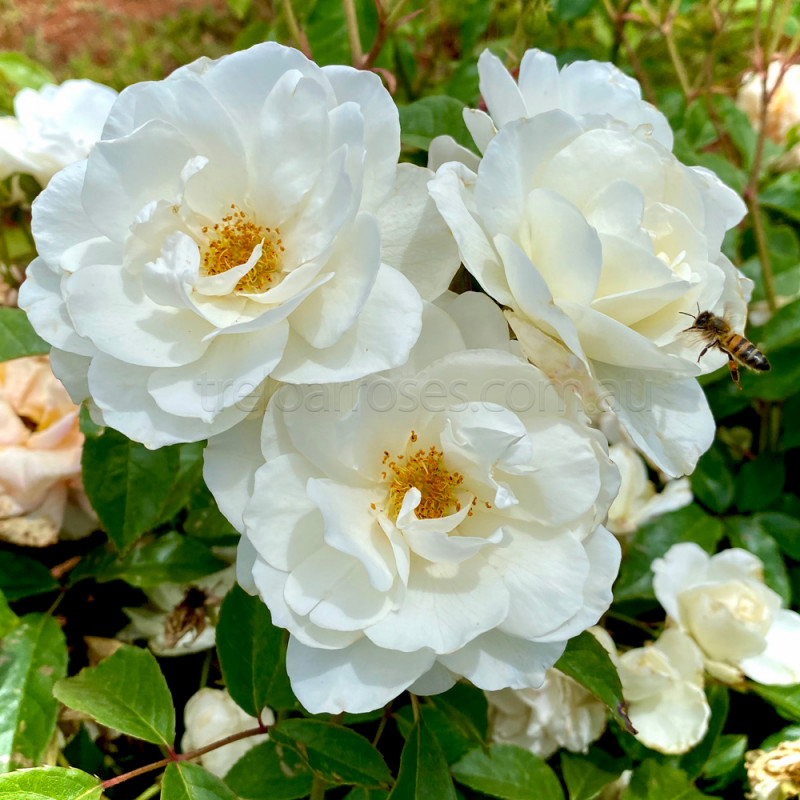
One of the primary reasons gardeners love this variety is its nearly continuous bloom cycle. From late spring until the first hard frost, branches are consistently weighed down by flushes of lightly scented, double white flowers. While the petals are pure white, they may occasionally take on a soft pink blush in cooler autumn weather or when exposed to intense, direct sunlight.
How to Plant Iceberg Roses
Success with any rose starts in the ground. Taking the time to choose the right location and prepare the soil properly pays off with stronger plants and fewer maintenance headaches down the road.
Choosing the Right Location
Iceberg roses thrive in full sun, meaning they require at least six hours of direct sunlight daily. While they can tolerate partial shade, fewer hours of sun result in reduced bloom production and a higher susceptibility to fungal issues like powdery mildew, because the foliage stays damp longer.
Air circulation is another critical factor. Plant your shrubs in an open area rather than cramped against a solid wall or tightly packed between dense evergreens. Good airflow helps dry morning dew quickly, protecting the leaves from disease.
Soil Preparation and Planting Steps
These plants prefer rich, loamy, well-draining soil with a slightly acidic pH between 6.0 and 6.5. If you have heavy clay or loose sandy soil, amend it generously with compost, aged manure, or peat moss to improve texture and nutrient retention.
Video: Burgundy Iceberg ll Backyard Flowers & Roses ll 紫色冰山玫瑰與後院花卉 ll 885
- Dig a hole twice as wide as the root ball and just as deep.
- Remove the plant from its container and gently tease out any circling roots.
- Set the plant in the hole, ensuring the bud union (the swollen area where the graft meets the rootstock) sits just above the soil line in warmer climates, or slightly below ground in very cold regions.
- Backfill with a 50/50 mix of native soil and compost, tamping down gently as you go.
- Water thoroughly to settle the soil around the roots.
- Apply a two-inch layer of organic mulch, such as shredded bark, around the base to retain moisture, keeping the mulch a few inches away from the actual stems to prevent rot.
Ongoing Care and Maintenance
While iceberg roses are famously hardy and forgiving, they still require routine maintenance to look their best and reach their full flowering potential.
Watering and Fertilizing
Establish a consistent watering routine, especially during the first growing season. Water deeply at the base of the plant rather than overhead using a sprinkler, as wet foliage invites fungal pathogens. Once established, these shrubs tolerate dry spells reasonably well, but they produce more blooms with weekly deep watering of about one inch of water total from rain and irrigation combined.
Feed your roses with a balanced, slow-release granular fertilizer formulated specifically for roses in early spring as new growth emerges. Reapply every four to six weeks throughout the growing season, stopping about six weeks before your area's average first frost date to prevent tender new growth from being damaged by cold weather.
Pruning Iceberg Roses
Pruning is essential for maintaining plant health and encouraging fresh, flower-producing shoots. The best time to prune is in late winter or early spring just as the leaf buds begin to swell and turn a reddish hue.
- Start by removing any dead, damaged, diseased, or crossing canes using sharp, clean bypass pruners.
- Clear out the center of the shrub to allow maximum light penetration and good air movement.
- Cut back the remaining healthy canes by about one-third to one-half of their height, making clean cuts at a 45-degree angle just above an outward-facing bud.
- For climbing iceberg variants, avoid heavy pruning of the main structural canes for the first two to three years; instead, prune the side shoots back to two or three buds after the main spring flush.
Pest and Disease Management
Although iceberg roses exhibit far better natural disease resistance than many traditional hybrid teas, they are not entirely immune to common garden pests and fungal problems.
- Black Spot: Watch for dark spots on leaves that cause them to turn yellow and drop. Prevent this by cleaning up fallen autumn leaves and watering only at the base.
- Powdery Mildew: Appears as a white, powdery residue on leaves and young buds during humid, dry-soil conditions. Spray with neem oil or a copper-based fungicide if an outbreak occurs.
- Aphids: These tiny sap-suckers cluster on new growth. A strong blast of water from a garden hose is often enough to knock them off, or you can introduce beneficial insects like ladybugs.
Landscape Design Ideas
Because of their neat habit and cascading white flowers, iceberg roses adapt to virtually any garden style. Pair them with purple-flowering perennials like lavender, salvia, or catmint for a stunning, high-contrast color scheme. Planted in long rows, they make a magnificent flowering hedge that defines a pathway or property line. In smaller urban spaces, a single specimen planted in a large glazed ceramic pot brings elegance to a sunny patio or balcony.