How to Play a Baseball Game: Rules & Basics Explained
Baseball is one of the world's most enduring and strategic sports. While its rich history and complex rules can feel overwhelming at first glance, the core concepts are straightforward once you break them down. Whether you are stepping onto the diamond for the first time or simply trying to understand the action on TV, learning how to play a baseball game is an rewarding experience.

At its heart, baseball is a game of strategy, timing, and execution played between two teams of nine players each. The objective is simple: score more runs than the opposing team by hitting a pitched ball and safely running around a series of four bases.
The Basics of How to Play a Baseball Game
A standard game of baseball consists of nine innings. In each inning, both teams get a turn to bat (offense) and a turn to field (defense). The visiting team always bats in the top half of the inning, while the home team bats in the bottom half. If the score is tied after nine innings, extra innings are played until one team leads at the end of a full inning.
The Field Layout
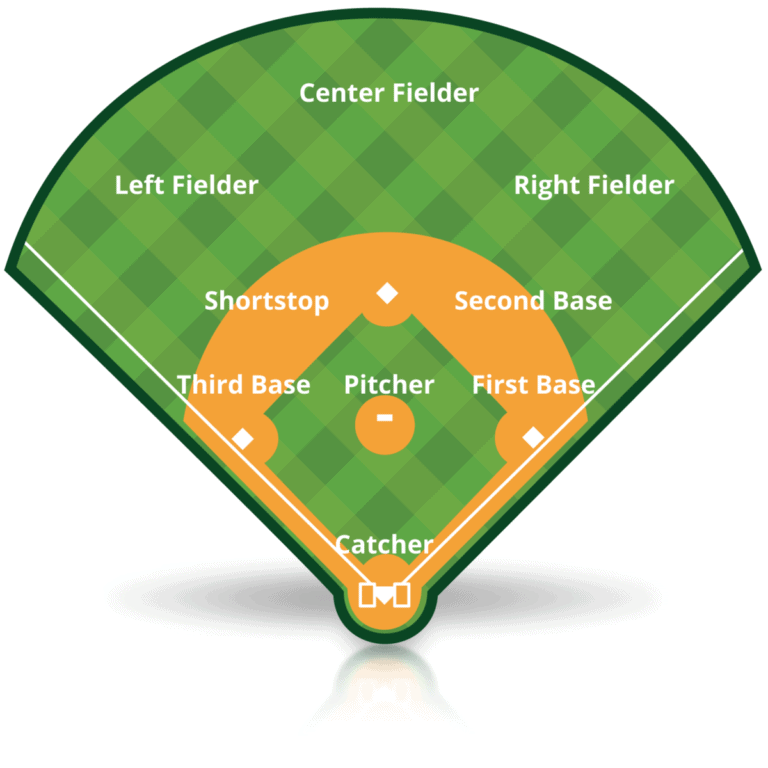
The baseball field is divided into two main sections: the infield and the outfield. Together, they form a distinct shape known as a diamond.
- The Infield: Contains home plate and the three bases (first, second, and third), arranged in a 90-foot square. In the exact center of the infield is the pitcher's mound.
- The Outfield: The grassy area beyond the infield, bound by the foul lines and the outfield wall.
The Objective: Offense vs. Defense
The defensive team's goal is to record three "outs" to end the batting team's turn (called an "at-bat" or inning half). The offensive team's goal is to prevent outs while scoring runs.
- Pitching: The pitcher throws the ball toward home plate, aiming to get it past the batter without the batter hitting it safely.
- Hitting: The batter stands in the batter's box, using a bat to hit the incoming pitch into fair territory.
- Running: Once the ball is hit into play (or after earning a walk), the batter drops the bat and runs toward first base, attempting to advance as far as possible without getting out.
Understanding Scoring and Runs
Runs are scored when a baserunner successfully touches all four bases in order: first base, second base, third base, and finally home plate. A player can score by hitting a home run (hitting the ball over the outfield fence) or by advancing base-by-base through a series of hits, walks, and base steals by teammates.
There are no game clocks in traditional baseball. The game only moves forward through the progression of pitches, outs, and innings, meaning every team must use all 27 defensive outs to complete a standard nine-inning game.
Video: How to Play Baseball

The Role of Outs and Strikes
The entire rhythm of a baseball game revolves around strikes, balls, and outs. Understanding these counts is essential for any player or spectator.
Balls and Strikes
As the pitcher throws the ball, the home plate umpire judges whether the pitch passes through the "strike zone" (an imaginary box roughly over home plate, between the batter's knees and chest).
- Strike: Called when a pitch passes through the strike zone, when the batter swings and misses at any pitch, or when a ball is hit into foul territory (with some exceptions for foul bunts). Three strikes equal a strikeout, and the batter is out.
- Ball: Called when a pitch misses the strike zone and the batter does not swing. Four balls result in a "walk," allowing the batter to advance safely to first base.
Ways to Record an Out
The defense can record an out in several ways during a plate appearance:
- Strikeout: The pitcher accumulates three strikes against the batter.
- Fly Out: A batter hits the ball into the air, and a defensive player catches it before it touches the ground. The batter is immediately out.
- Ground Out: The batter hits the ball on the ground, and a fielder fields it and throws it to first base before the runner arrives.
- Tag Out: A fielder with the ball physically touches a baserunner who is not standing safely on a base.
- Force Out: When a baserunner is forced to run because the batter must run to first base, a fielder holding the ball touches the upcoming base before the runner arrives.
Baseball Positions Explained
Each of the nine defensive players occupies a specific position on the field, each requiring unique skill sets:
- Pitcher (1): Initiates every play by throwing the ball to home plate.
- Catcher (2): Kneels behind home plate to receive pitches, protects home plate from runners, and calls pitches.
- First Baseman (3): Fields balls near first base and receives throws from other infielders to record force outs.
- Second Baseman (4): Covers the area between first and second base, crucial for turning double plays.
- Shortstop (6): Plays between second and third base, handling many ground balls and playing a vital defensive role.
- Third Baseman (5): Guards the "hot corner" near third base, requiring quick reflexes for hard-hit balls.
- Left Fielder (7), Center Fielder (8), Right Fielder (9): Patrol the outfield grass, tracking down fly balls and preventing extra-base hits.
Tips for Beginners
If you are learning how to play a baseball game in a recreational league or backyard setting, keep these quick tips in mind to improve your experience:
- Keep Your Eye on the Ball: Whether hitting, catching, or running, tracking the baseball visually is the single most important skill.
- Communicate with Teammates: Baseball requires constant chatter. Fielders must call out "I got it!" on fly balls to avoid collisions.
- Learn Proper Mechanics: Focus on correct throwing grips and batting stances early to prevent injuries and build consistency.
By grasping these foundational rules—from balls and strikes to scoring runs—you are well on your way to fully enjoying or participating in your very first baseball game.