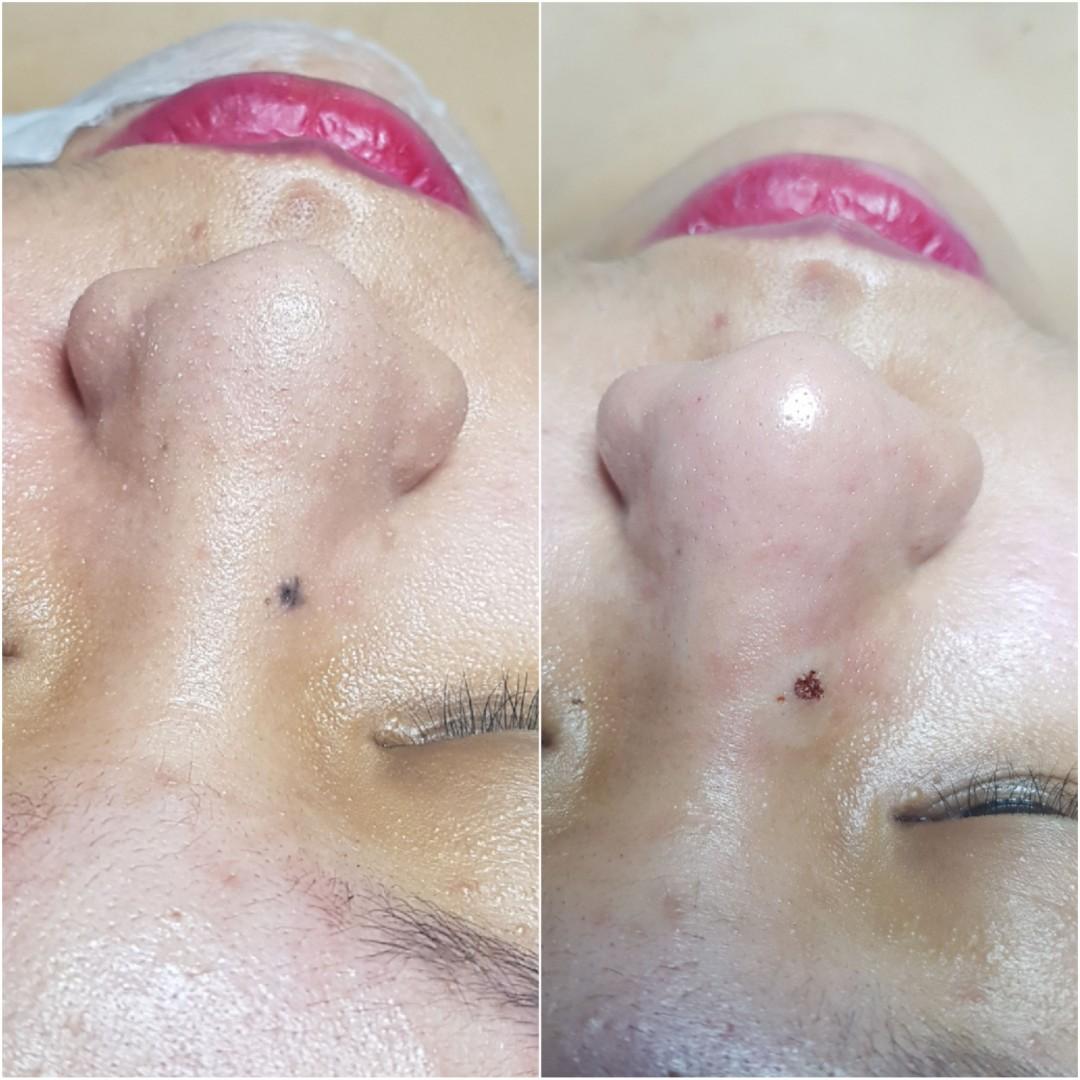
How to Remove Very Large Blackheads Safely
Finding a stubborn, noticeable blemish on your skin can be frustrating, but dealing with very large blackheads presents a unique challenge. Unlike typical micro-comedones that clear up with a few days of salicylic acid, massive blackheads sit deep within widened follicular openings, often resisting conventional washes and scrubs. Understanding what causes these oversized blockages—and why aggressive squeezing does more harm than good—is the first step toward clearing your skin without causing permanent tissue damage.

What Causes Very Large Blackheads?
At a biological level, all blackheads begin the same way: as open comedones. Your skin naturally produces sebum (an oily substance secreted by the sebaceous glands) to lubricate and protect the epidermis. At the same time, skin cells continuously shed along the lining of the hair follicle. When excess sebum mixes with accumulated dead skin cells (keratinocytes), a dense plug forms inside the pore.
Because the pore remains open to the surface, the melanin and lipids in the plug are exposed to oxygen. This oxidation process turns the surface material dark brown or black—contrary to popular belief, the dark hue is not trapped dirt. When this plug remains undisturbed for months or years, it continues to accumulate keratin and sebum, stretching the structural walls of the pore. Over time, this progression results in two primary clinical variations:
- Giant Comedones: These are simply standard blackheads that have expanded to substantial proportions, frequently measuring several millimeters across. They are most commonly found on the back, chest, neck, and behind the ears, where sebaceous glands are dense and personal visual inspection is difficult.
- Dilated Pore of Winer: First described in 1954, a dilated pore of Winer is a benign tumor of the hair follicle structure. It presents as a solitary, unusually large open comedo, typically on the face, neck, or upper torso of older adults. Even after extraction, the underlying pore capsule remains widened and will continually refill unless surgically addressed.
The Dangers of Squeezing at Home
The visual impact of an oversized blemish often triggers an immediate urge to squeeze, pick, or use sharp instruments at home. However, extracting deep impactions without professional guidance carries distinct dermatological risks:
- Permanent Scarring: Large blackheads exert prolonged lateral pressure on the surrounding dermal matrix. Aggressive pressing breaks down the weakened collagen fibers around the pore, causing permanent ice-pick or boxcar indentations.
- Rupture and Infection: Forcing a hard, oxidized plug sideways or downward can rupture the follicular wall beneath the surface. This spills keratin, bacteria (specifically Cutibacterium acnes), and sebum into surrounding healthy tissue, triggering painful inflammatory cysts or abscesses.
- Incomplete Extraction: Deep blackheads often taper down into narrow, hardened roots. At-home pressure usually shears the plug at the surface, leaving the core intact to collect more debris and become reinfected.
Professional Removal Options for Very Large Blackheads
When dealing with lesions that exceed the size of a standard pinhead, scheduling an appointment with a board-certified dermatologist or a licensed medical aesthetician is the safest route to clear skin. Clinical treatments offer controlled, sterile removal that preserves the integrity of your skin barrier.
1. Manual Clinical Extraction
A dermatologist uses specialized tools, such as a sterile surgical-grade comedone extractor or a fine lancet, to relieve pressure on the follicle. By applying uniform, perpendicular force after softening the surrounding tissue, the practitioner can ease the entire plug out without tearing the pore margin. In some cases, light steam or topical keratolytic agents are applied beforehand to loosen the oxidized lipids.
2. Punch Excision

For recurrent giant comedones or dilated pores of Winer, standard extraction is often temporary because the expanded pore lining continues to function as an empty cup waiting to be refilled. In these cases, a dermatologist may perform a minor in-office punch excision under local anesthesia. The doctor removes the entire stretched pore structure and places a tiny stitch to close the gap cleanly, leaving a minimal, flat scar in place of a gaping hole.
3. Professional Chemical Peels
High-strength chemical peels utilizing concentrated salicylic acid (20% to 30%), glycolic acid, or trichloroacetic acid (TCA) penetrate deep into the follicular canals. These treatments dissolve the protein bonds binding keratinocytes together, systematically breaking down the hardened plug over a sequence of visits.
Effective At-Home Maintenance and Topicals
While you should avoid forceful mechanical extraction at home, you can incorporate active ingredients into your daily routine to soften existing impactions and keep the surrounding pores clean.
- Beta-Hydroxy Acids (BHA): Unlike water-soluble alpha-hydroxy acids, salicylic acid is oil-soluble. This allows it to penetrate deep into lipid-heavy pores, dissolving trapped sebum and encouraging normal cellular shedding. Look for a leave-on 2% BHA liquid or gel applied three to four times per week.
- Topical Retinoids: Over-the-counter adapalene (0.1%) or prescription-strength tretinoin accelerates cellular turnover and normalizes follicular keratinization. Over several months, retinoids prevent cells from sticking together inside the pore lining, gradually pushing plugs upward while preventing new blockages.
- Gentle Clay and Charcoal Masks: Kaolin or bentonite clay masks can temporarily absorb excess surface oils and draw out superficial impurities. Use them once weekly on targeted areas to keep the surface clear without stripping your moisture barrier.
How to Reduce the Appearance of Stretched Pores
Once a massive blackhead is cleared, patients are often left with a noticeably dilated void in the skin. Because elastic fibers around the pore have been stretched for an extended period, the pore may not immediately shrink back to its original size. To restore skin firmness and minimize the appearance of these openings:
- Apply Niacinamide: Vitamin B3 (niacinamide) helps strengthen the skin's lipid barrier, regulates sebum production, and improves overall skin elasticity, helping open pores appear tighter.
- Stimulate Collagen Production: Treatments like in-office microneedling, fractional laser therapy, and regular retinoid use stimulate new collagen synthesis around the pore walls, providing the structural support needed to tighten dilated openings.
- Wear Broad-Spectrum Sunscreen Daily: Ultraviolet radiation degrades collagen and elastin fibers in the dermis. Unprotected sun exposure weakens the structural scaffolding that holds your pores firm, causing existing pores to look larger and sag over time.
Preventing Future Blockages
Long-term clarity depends on consistent habits that keep sebum moving freely out of the follicular canal rather than stagnating. Wash your face twice daily with a balanced, sulfate-free foaming cleanser, particularly after sweating. Check all cosmetic, sunscreen, and skincare labels to ensure they are verified as non-comedogenic and oil-free.
Patience is essential. Remodeling stretched pore structures and stabilizing sebum production takes consistent care over several months. If you notice a deep, widening blemish that resists standard exfoliants, resist the urge to squeeze and consult a skincare professional for an evaluation and safe extraction plan.