How to Rent a Towing Trailer: Costs, Types & Tips
Whether you are moving across the country, hauling a project car, or transporting heavy equipment for a weekend landscaping job, having the right equipment is essential. For most people, buying a heavy-duty trailer for a single project doesn't make financial sense. That is why learning how to rent a towing trailer is a practical, cost-effective solution for hauling cargo without a permanent investment.
However, renting a trailer involves more than simply backing up to a lot, hitching up, and driving away. You need to consider vehicle compatibility, weight limits, insurance, and the specific type of trailer that matches your cargo. This guide covers everything you need to know before you rent a towing trailer.
Types of Towing Trailers Available for Rent
Before visiting a rental yard, you need to determine which trailer design fits your hauling needs. Different loads require different structures to ensure safe transport.
Utility Trailers
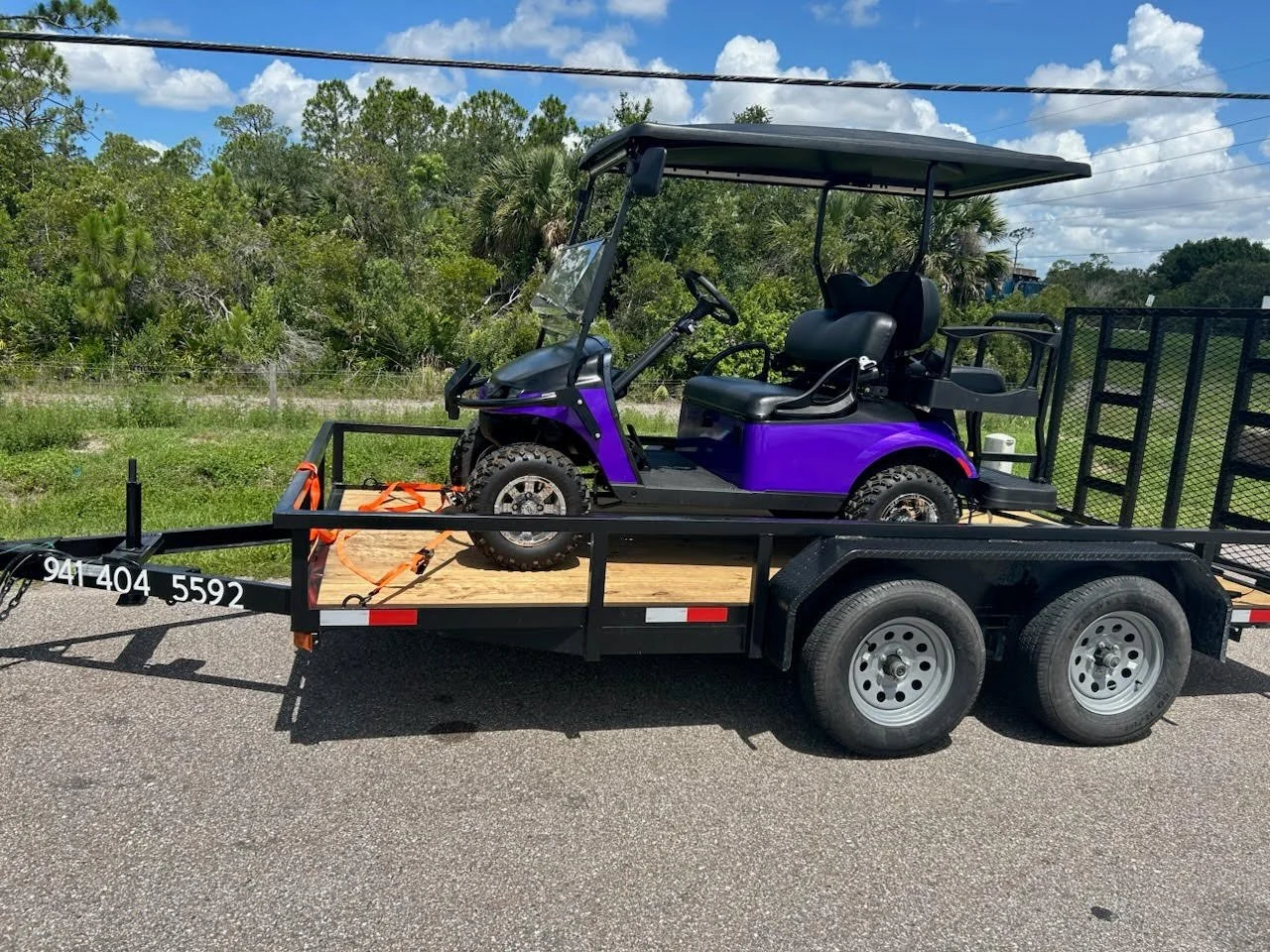
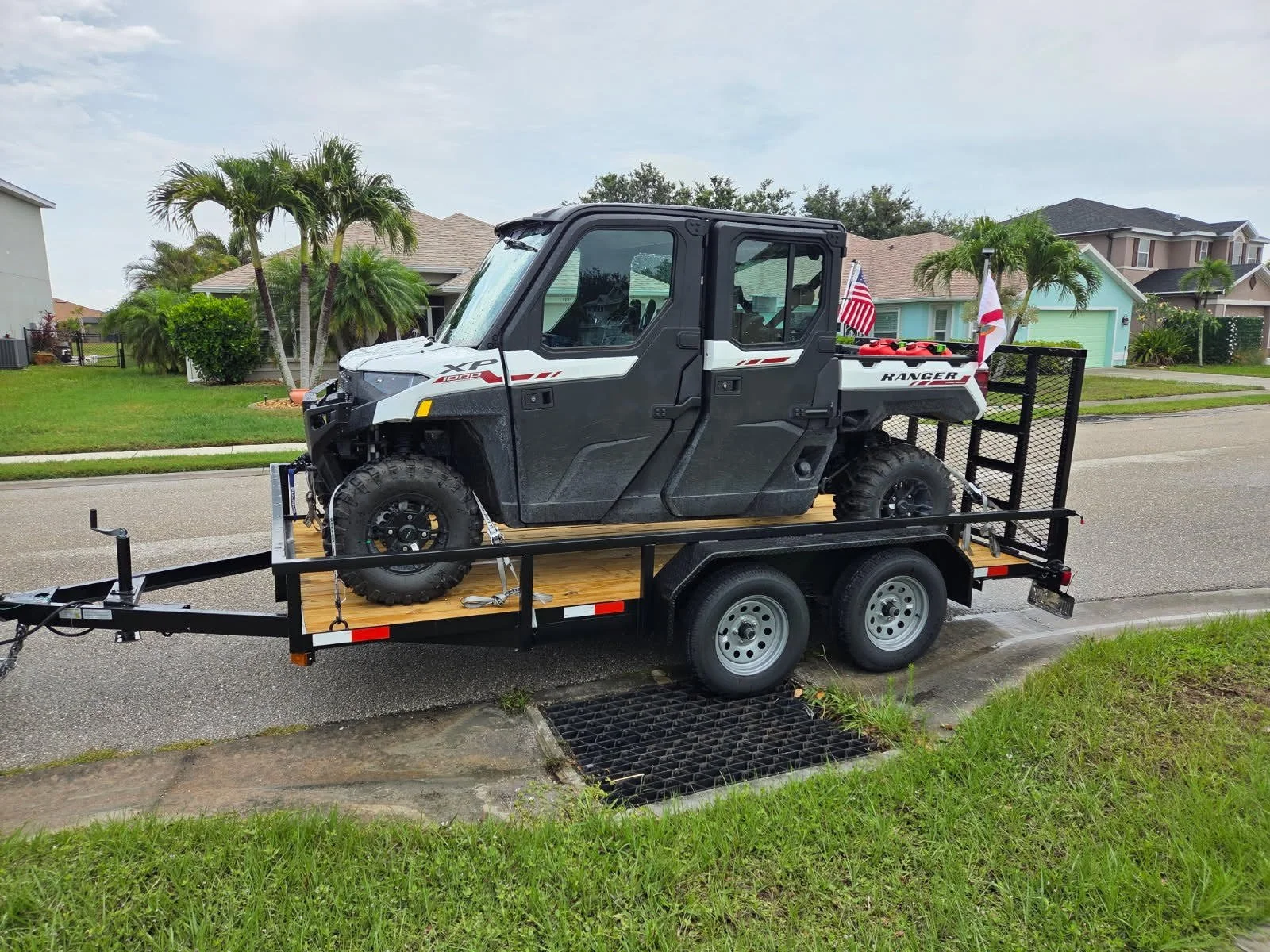
Open-air utility trailers are the most common rentals. They usually feature a mesh or wooden floor with short metal sides and a fold-down ramp. These are ideal for hauling furniture, boxes, lawnmowers, ATVs, and odd-shaped building materials. They are lightweight, easy to maneuver, and widely available.
Cargo Trailers
Also known as enclosed trailers, cargo trailers feature solid walls and a roof, typically with swing or ramp rear doors. Renting an enclosed trailer is the best choice if you are moving household goods during rainy weather, hauling expensive equipment that requires weather protection, or looking for added security against theft.
Car Haulers and Dollies
If you need to transport a vehicle, you will look at car trailers or tow dollies.
- Car Haulers: Flatbed trailers that lift all four wheels of the vehicle off the ground. Perfect for broken-down cars, four-wheel-drive vehicles, or long-distance towing.
- Tow Dollies: Lighter setups that lift only the front wheels of the vehicle off the pavement while the rear wheels roll behind. These are typically more affordable and easier to back up than full car haulers.
What You Need Before You Rent
Video: Safe Trailering Demonstrator
Rental companies have strict requirements to ensure safety and liability protection. Before you sign a rental agreement, make sure you have the following in place:
- A Capable Tow Vehicle: Your truck, SUV, or crossover must have an appropriate towing capacity that exceeds the combined weight of the trailer and its maximum payload.
- A Hitch and Ball Mount: Most rental companies provide the hitch pin, but you generally need to supply your own receiver, ball mount, and correct-sized trailer ball.
- Working Light Hookups: Your vehicle must feature a functioning electrical socket (usually a 4-way flat or 7-way round plug) to power the trailer's brake lights, turn signals, and running lights.
- Valid Driver’s License and Insurance: You must present a valid driver's license, and your personal auto insurance policy may extend liability to the towed trailer (though supplemental coverage is often available at the rental counter).
Understanding Costs and Fees
The cost to rent a towing trailer varies based on the size of the unit, the rental duration, and your geographical location. Generally, rental companies structure their pricing in a few standard ways:
- Daily Rates: Basic utility trailers typically cost between $20 and $50 per day. Enclosed cargo trailers range from $40 to $100+ per day depending on size.
- One-Way vs. Round-Trip: If you are moving across states, a one-way rental from companies like U-Haul or Penske will cost significantly more than a local round-trip rental due to drop-off logistics.
- Additional Equipment: If you need to rent tie-down straps, a hitch adapter, or safety locks, expect to pay a few extra dollars per item.
Essential Safety Tips for the Road
Towing a trailer changes how your vehicle accelerates, brakes, and turns. Keep these safety tips in mind once you hit the road:
Practice in an Empty Lot: If you are inexperienced with towing, spend 15 minutes in an empty parking lot practicing turns, stops, and reversing before heading out onto busy highways.
Check the Weight Distribution: Load about 60% of your cargo's weight toward the front half of the trailer (near the tongue). An improperly balanced rear-heavy trailer can easily begin to sway dangerously at highway speeds.
Allow Extra Stopping Distance: The added weight drastically increases your braking distance. Always leave plenty of space between you and the vehicle ahead, and apply brakes smoothly rather than slamming them.
Double-Check Connections: Always do a pre-trip walkaround. Ensure the coupler is locked securely onto the hitch ball, safety chains are crossed in an "X" pattern beneath the tongue, the breakaway cable is attached, and all lights are fully operational.
Conclusion
When you need to move heavy or bulky items, knowing how to rent a towing trailer can save you time, hassle, and money. By choosing the right size trailer, verifying your vehicle's towing capacity, and practicing safe driving habits, you can haul your cargo securely and reach your destination without incident.