How to Sign Half in American Sign Language (ASL)
Introduction to Signing Fractions

Learning how to sign half in sign language is an essential skill for anyone studying American Sign Language (ASL). Whether you are dividing a bill, describing time, or baking a recipe, expressing fractions accurately allows for precise communication. Like many concepts in ASL, the sign for "half" is visual, intuitive, and relies heavily on proper handshapes and movement.
In ASL, fractions are generally signed depending on the context—whether you are working with a simple fraction, a time measurement, or a specific quantity. However, the foundational sign for "half" remains consistent across many everyday scenarios. This guide will walk you through the exact handshapes, movements, and cultural nuances you need to know to sign "half" correctly.
How to Sign Half in American Sign Language
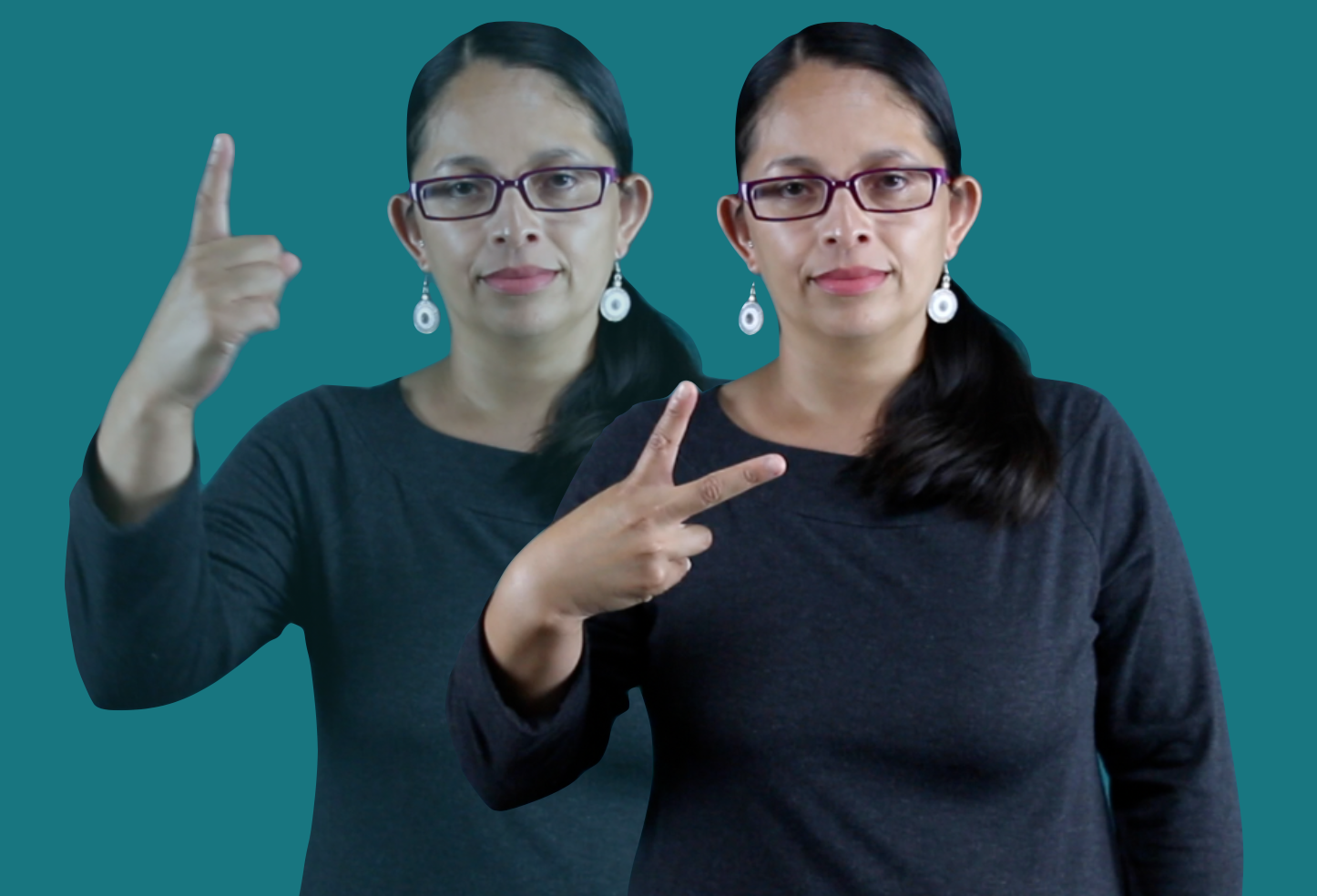
The standard sign for "half" in ASL is a fractional sign that visually represents cutting something down the middle. It uses two hands and a simple, distinct movement. Follow these step-by-step instructions to master the basic sign:
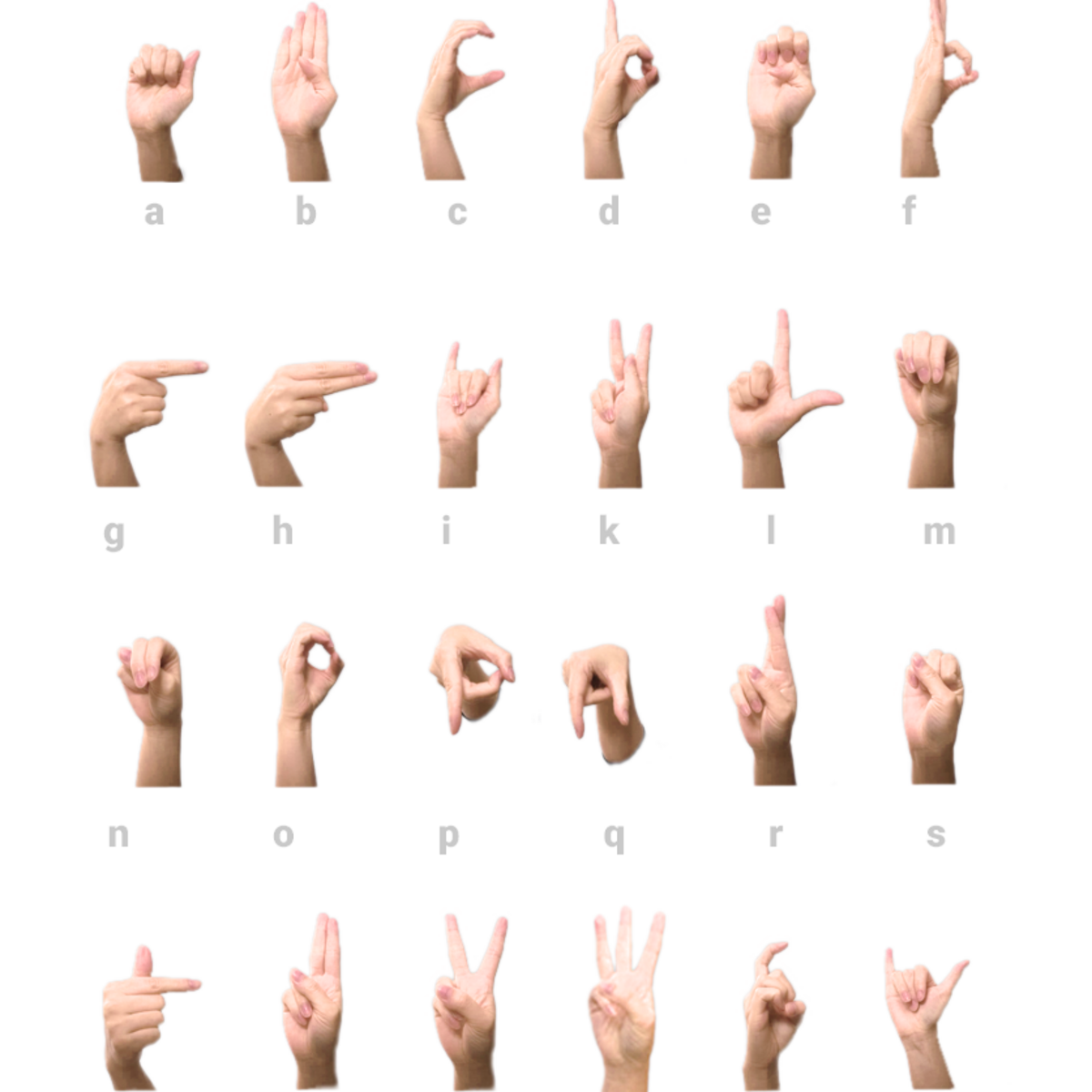
- Dominant Handshape: Form your dominant hand into the letter 'H' or the number '2' handshape depending on regional variation, though the most common standard utilizes the 'H' handshape (index and middle fingers extended straight out together, thumb holding down the ring and pinky fingers). Alternatively, many signers use an open hand or a modified '1/2' representation, but the classic lexicalized sign uses a loose 'H' or 'N' downward slide. Let's focus on the classic two-hand fraction sign: your dominant hand forms a '1' or '2', or simply acts as the numerator/denominator.
- Simpler Alternative (The Chop): The most universally recognized sign for "half" is performed by taking your non-dominant hand (flat, palm facing sideways or slightly inward) and using the side of your dominant hand (usually in a flat 'B' or chopping handshape) to slice down vertically through the non-dominant hand.
- The Motion: Start with the dominant hand hovering just above the vertical or horizontal blade of the non-dominant hand. Move your dominant hand straight down, stopping as it intersects or taps the non-dominant hand, effectively visualizing a knife cutting an object in two equal parts.
Common Variations and Contexts
ASL is a contextual language. Depending on what you are dividing into halves, the physical execution of the sign might alter slightly. Understanding these nuances will make your signing look more natural and native-like.
Signing "Half an Hour"
When you are talking about time—specifically 30 minutes or half an hour—you typically do not use the standard fraction sign. Instead, ASL has specific temporal markers:
Video: HALF

- The Clock Sweep: Hold your non-dominant arm horizontally or vertically to represent a clock face, or use your non-dominant flat palm. Your dominant hand, shaped like a '1' or '30', sweeps halfway across the face.
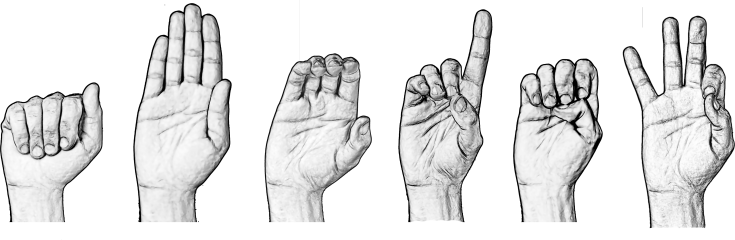
- Alternate Method: Many native signers simply sign the number "30" or fingerspell "H-A-L-F" in fast casual contexts, but the most common sign for "half an hour" involves a sweeping motion of the dominant hand across a stationary non-dominant hand to indicate 30 minutes passing.
Money and Quantities
When dealing with money (such as fifty cents or half a dollar), the sign changes to incorporate numerical incorporation. For example, signing "fifty cents" involves a specific twisting motion of the '5' handshape rather than using the fraction sign for half.
Common Mistakes to Avoid
Beginners often make a few typical errors when learning signs involving fractions and measurements. Keep these tips in mind to ensure clarity:
- Exaggerated Movement: You do not need a massive chopping motion. Keep the movement compact, controlled, and conversational.
- Incorrect Hand Orientation: Ensure your non-dominant hand provides a clear base. If your palms face the wrong direction, the sign can look muddy or resemble an entirely different vocabulary word (such as "cut" or "divide").
- Confusing "Half" with "Divide": While related, the mathematical verb "to divide" uses a different directional movement compared to the noun/adjective "half."
Tips for Practicing ASL Fractions
Mastering fractional signs requires muscle memory. Try incorporating these practice strategies into your daily routine:
- Use a Mirror: Watch your handshapes to ensure your fingers are straight and your non-dominant hand remains steady.
- Pair with Numbers: Practice signing "one-half," "one-third," and "one-quarter" back-to-back to build fluidity in mathematical signing.
- Watch Native Signers: Look up native Deaf content creators, interpreters, or online ASL dictionaries (like Lifeprint) to see the sign used in natural conversational pacing.
Conclusion
Learning how to sign half in American Sign Language is a straightforward process once you understand the visual nature of the gesture. By utilizing a clear chopping motion with your dominant hand against your non-dominant palm, you can accurately express this common fraction in everyday conversations. Practice regularly, pay attention to context, and remember that clarity always trumps speed when developing your ASL skills.