How to Spot and Avoid Snapchat Scammers
Understanding the Threat of Snapchat Scammers

Snapchat is celebrated for its disappearing messages and playful filters, but its unique interface also makes it a prime hunting ground for cybercriminals. Because the platform relies heavily on personal connections, rapid-fire communication, and ephemerality, malicious actors find it easy to exploit trust. Dealing with snapchat scammers has become an unfortunate reality for millions of users worldwide, ranging from casual teenagers to savvy adults.
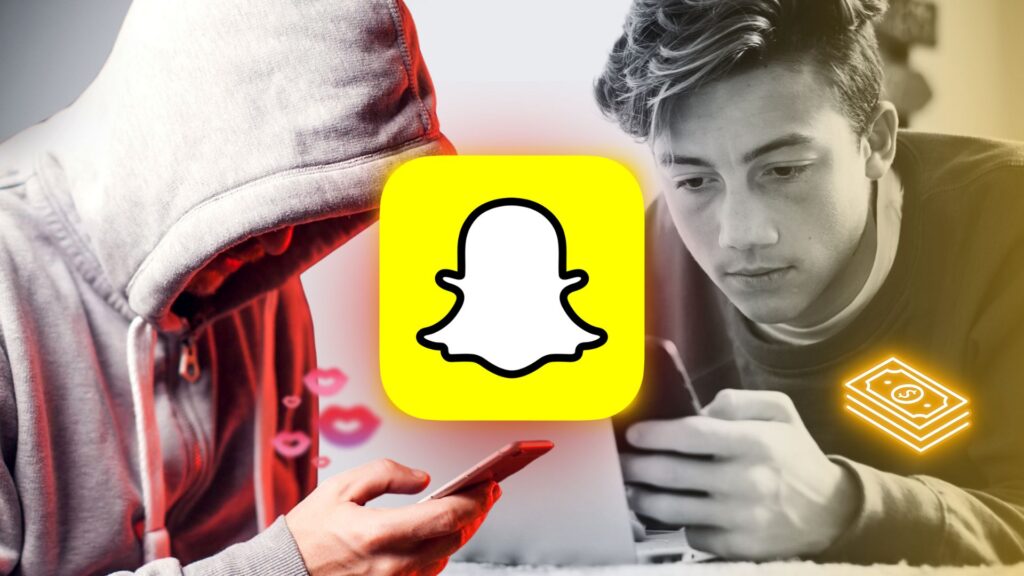
Unlike traditional email phishing, which often looks robotic and suspicious, Snapchat fraud usually masquerades as friendly interaction. Fraudsters compromise existing accounts or create convincing fake profiles to target friends, family members, and followers of the victim. Recognizing these threats before you click a link or send money is the best defense against financial loss and digital identity theft.
Most Common Types of Snapchat Scams
Bad actors continuously invent new ways to part users from their money and login credentials. Familiarizing yourself with their favorite playbooks is the fastest way to stay safe.
1. The Financial Flip or "Sugar" Scam
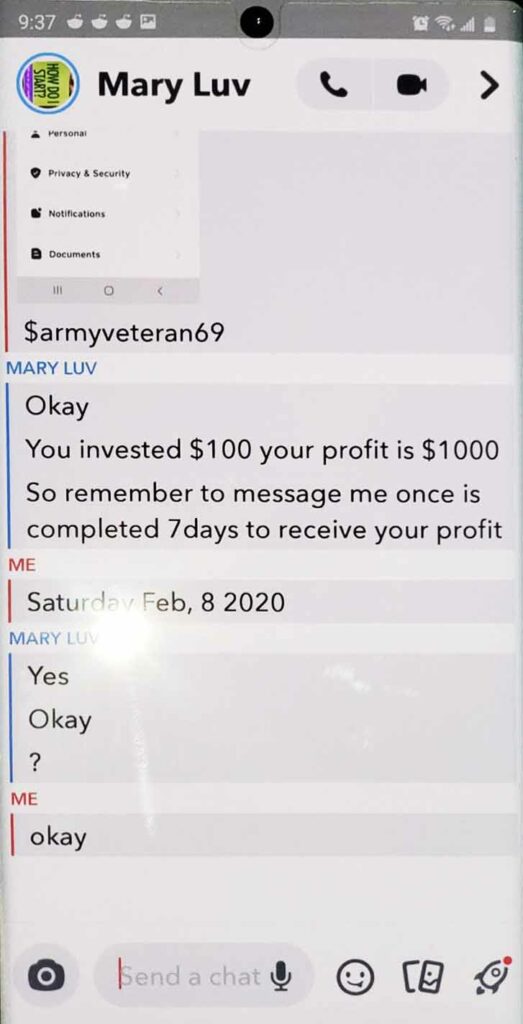
One of the most pervasive schemes involves promises of quick wealth. A user posts on their Story claiming they invested $100 in cryptocurrency or a financial program and received thousands back. If you message them, they will instruct you to send money via CashApp, Zelle, or Bitcoin, promising a massive return. Another variant is the "sugar daddy/momma" scam, where the fraudster claims they will pay your bills if you first pay a small "verification fee" via gift cards or peer-to-peer payment apps.
2. Account Takeovers and Phishing Links
If you receive a direct message from a close friend asking you to vote for them in a contest, click a strange link to see a video of yourself, or log into a third-party website, proceed with extreme caution. These messages are almost always sent by a hacker who has already compromised your friend's account. Clicking the link takes you to a fake login page that steals your username and password, allowing the attacker to lock you out and target your entire contact list.
3. Sextortion and Blackmail
Video: Don't Let Scammers Blackmail You

Romance scams often transition quickly from Snapchat to other platforms or vice versa. Scammers befriend victims, build a quick rapport, and encourage them to share explicit photos. Once the photos are sent, the criminal reveals their true intentions, threatening to send the images to the victim's family, school, or coworkers unless a ransom is paid. Because Snapchat photos are supposed to disappear, victims often falsely believe their privacy is protected until it is too late.
4. Fake Merchandise and Ticket Scalping
Marketplace scams frequently bleed onto Snapchat. Users advertise hard-to-find items—such as concert tickets, designer sneakers, or video game consoles—at deeply discounted prices. Once the buyer sends payment using non-refundable methods like friends-and-family transfers, the scammer blocks them and deletes the account.
Red Flags: How to Identify a Fraudulent Profile
Before engaging with an unfamiliar user or responding to a strange request from a known contact, look for these warning signs:
- Sudden out-of-character behavior: A friend who never talks about crypto suddenly spamming investment opportunities on their Story.
- Pressure tactics: Demands that you act immediately, warning that an offer will expire in minutes.
- Requests for unconventional payment: Asking for gift cards, cryptocurrency, or wire transfers instead of secure, protected payment processors.
- New accounts with low engagement: Profiles with generic bitmojis, zero mutual friends, and very few posts that immediately slide into your DMs with offers or links.
Steps to Take If You Are Targeted
If you suspect you are interacting with a scammer, or if your account has already been compromised, take immediate action to mitigate the damage.
- Do not send money or personal information: Cut off communication instantly. Do not negotiate or argue with the fraudster.
- Secure your account: If you can still log in, immediately change your password and enable Two-Factor Authentication (2FA) via SMS or an authenticator app.
- Report the account: Use Snapchat's in-app reporting tools. Tap and hold the user's profile, select "Manage Friendship," and hit "Report" to alert safety teams.
- Warn your contacts: If your account was hacked, post a warning on your other social media channels (like Instagram or Twitter) letting friends know not to click links or send money to your Snapchat handle.
- Contact your bank: If you have already sent money, call your bank or payment provider immediately to report fraudulent activity and attempt to freeze the transaction.
Best Practices for Ultimate Snapchat Security
Prevention is always easier than recovery. Follow these digital hygiene habits to keep fraudsters at bay:
- Never share your Snapchat password or verification codes with anyone, even someone claiming to be Snapchat Support.
- Adjust your privacy settings so that only "My Friends" can contact you or view your Story.
- Be skeptical of unsolicited friend requests from strangers, especially attractive profiles offering high-yield financial opportunities.
- Regularly review connected third-party apps in your account settings and revoke access to anything you no longer use.
By staying vigilant, understanding how snapchat scammers operate, and refusing to give in to high-pressure tactics, you can enjoy the platform safely without falling victim to digital fraud.