How to Style and Hang 96 White Curtains
When refreshing a room, few design decisions deliver as dramatic a transformation as upgrading your window treatments. If you are searching for 96 white curtains, you are already on the right path toward creating an airy, bright, and polished space. A 96-inch curtain length is widely regarded by interior designers as the sweet spot for standard residential ceilings, offering enough length to draw the eye upward without requiring custom drapery prices.
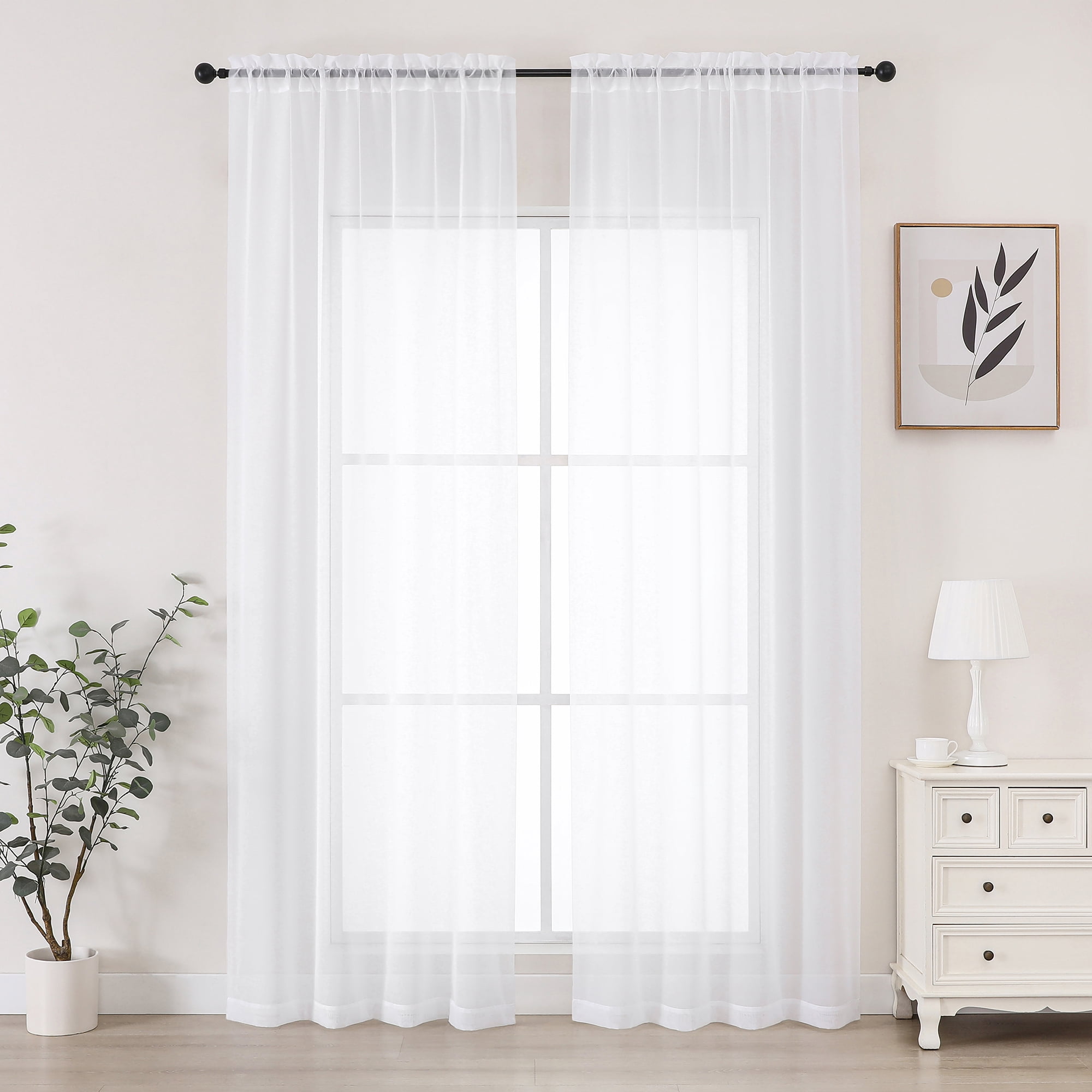
However, selecting the right pair involves more than just picking a package off a shelf. You need to consider fabric weight, header styles, light filtration, and proper hanging techniques to achieve that tailored, high-end look. This guide breaks down everything you need to know about choosing, measuring, and styling 96-inch white drapes.
Why 96 White Curtains Are an Interior Designer Favorite
White drapery is a timeless classic, but the 96-inch drop adds architectural magic. Standard ceiling heights in modern homes are typically eight or nine feet tall. When homeowners buy standard 84-inch panels, they are forced to mount their curtain rods directly against the window frame. This cuts the wall visually in half and makes rooms feel smaller and darker.
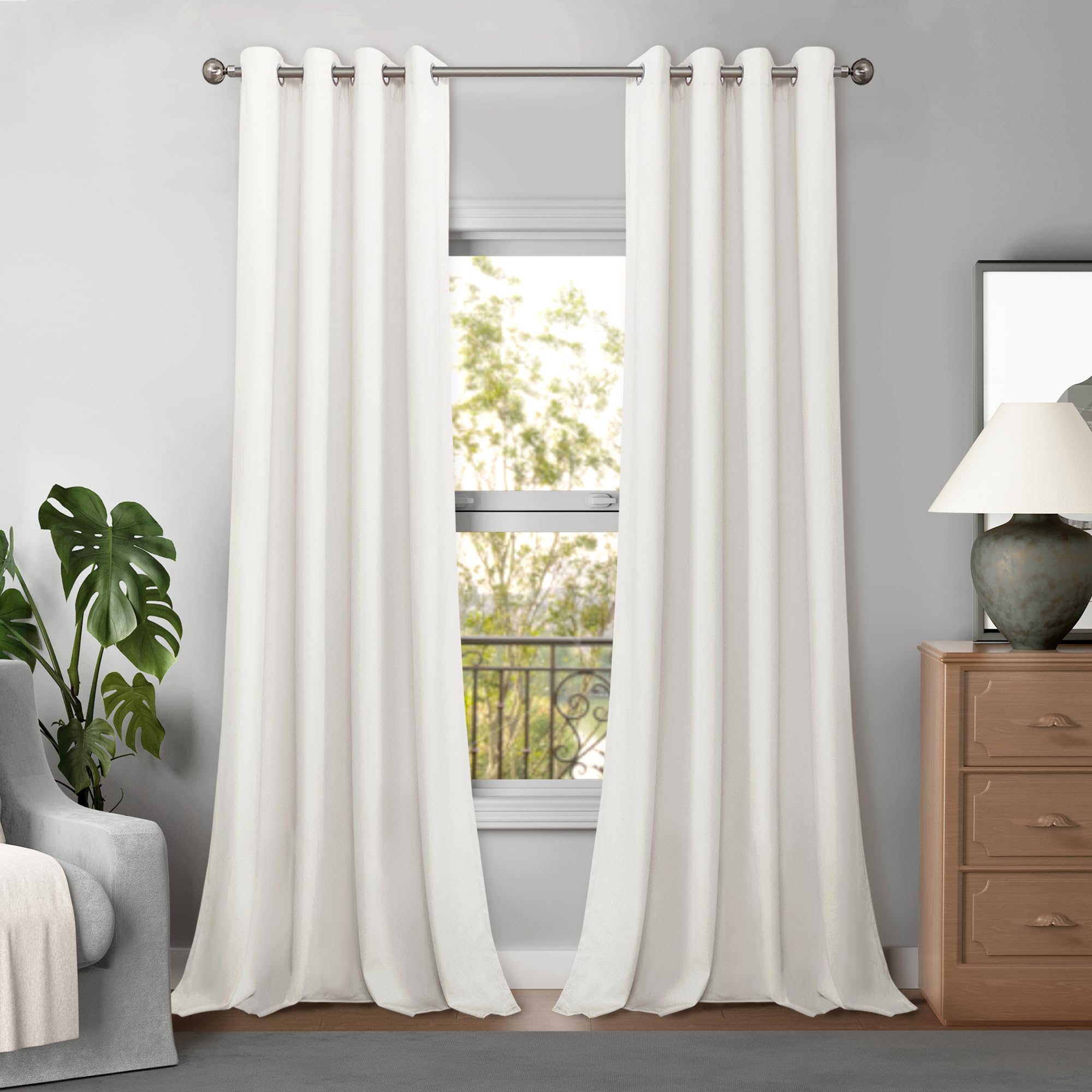
Choosing a 96-inch curtain allows you to mount the curtain rod significantly higher—often just a few inches below the ceiling or crown molding. This simple trick elongates the walls, creates the illusion of grandeur, and maximizes natural light entry. Paired with white fabric, which bounces ambient light throughout the space, your room immediately feels larger, fresher, and more cohesive.
Matching 96-Inch Curtains to Your Ceiling Height
Understanding how a 96-inch drape interacts with your specific ceiling height ensures you get clean lines rather than awkward gaps or bunches of messy fabric.
Standard 8-Foot Ceilings (96 Inches)
If your ceilings are exactly eight feet tall, a 96-inch curtain panel reaches from the absolute ceiling line to the floor. By mounting your hardware directly at the ceiling line (using ceiling-mount tracks or brackets mounted flush beneath the molding), the drapery will brush the floor cleanly. If you mount the rod slightly lower, say two inches below the ceiling, you will have just enough length for a relaxed "puddle" on the floor.
Standard 9-Foot Ceilings (108 Inches)
For nine-foot ceilings, a 96-inch panel is ideal if you mount the rod roughly halfway between the top of the window frame and the ceiling. This typically places the rod 8 to 12 inches above the window casing, perfectly framing the window while ensuring the hem gently hovers just above the baseboard.
Choosing the Right Fabric and Opacity
The term "white curtain" encompasses a wide range of moods, textures, and functions. The fabric you choose dictates how the curtain hangs, how it filters light, and how formal the room feels.
- Linen and Linen Blends: Linen offers relaxed elegance with organic texture. It filters direct sunlight while maintaining privacy and exhibits a soft, natural drape. Linen blends are especially popular because they resist severe wrinkling better than 100% pure linen.
- Cotton Canvas and Twill: Cotton is structured, crisp, and easy to clean. It provides a casual, tailored look that works exceptionally well in bedrooms, dining areas, and modern farmhouses.
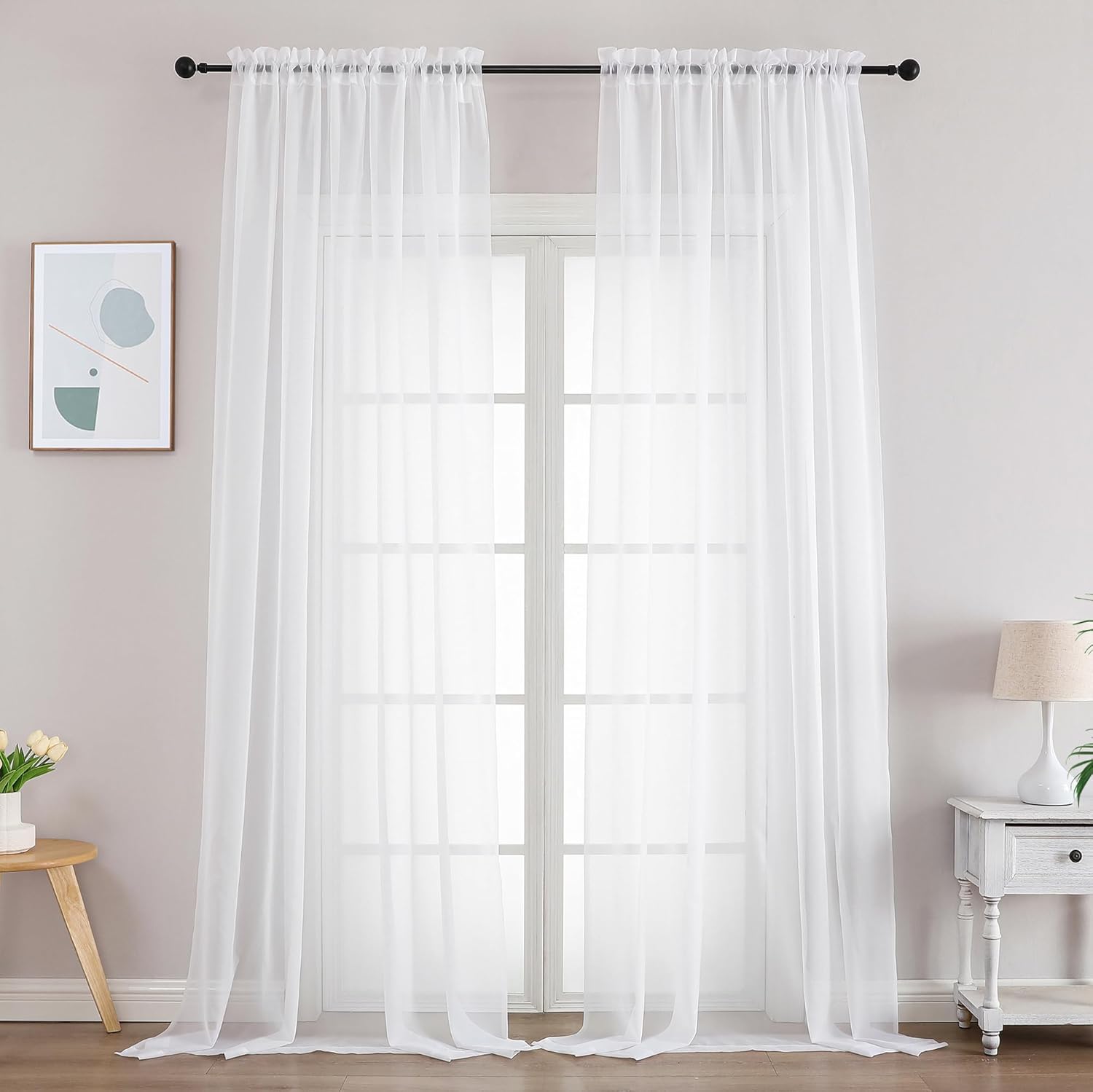
- Sheer Voile: Perfect for layering under heavier drapes or softening living rooms where you want maximum daylight. Sheers gently diffuse harsh UV rays while keeping the room feeling light and breezy.
- Velvet: White or ivory velvet adds instant warmth, tactile luxury, and acoustic dampening. It is a striking choice for formal dining rooms, libraries, or master suites.
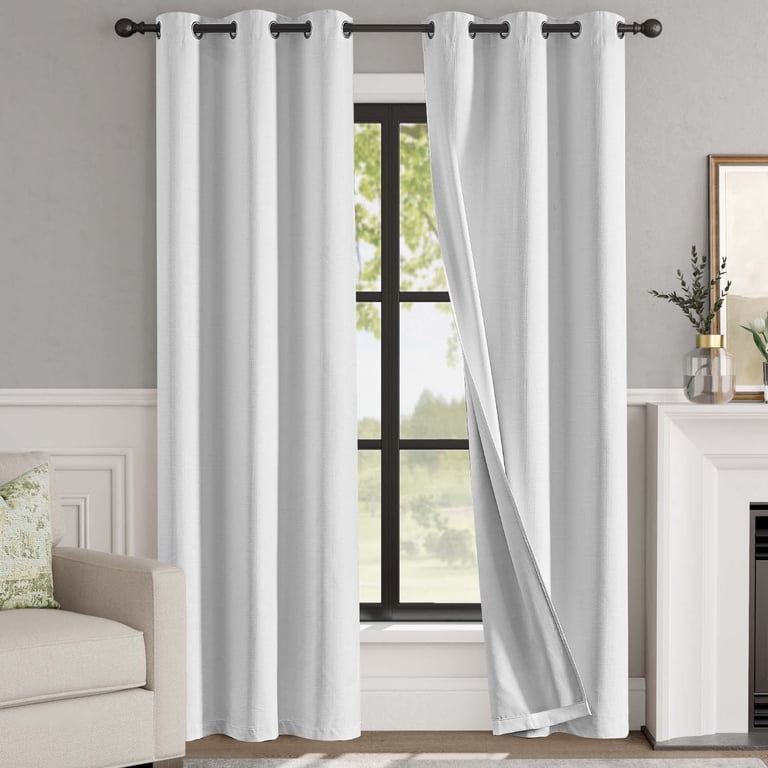
- Thermal and Blackout Linings: If you are hanging white curtains in a bedroom or home theater, ensure the panel has a woven blackout core or a secondary thermal backing. Without proper lining, white fabric can appear dull or grayish when strong sunlight shines directly through it.
Selecting the Right Header Style
The header—the way the top of the curtain attaches to the rod—determines how the fabric folds and moves.

Pinch Pleat
Pinch pleats are gathered and sewn permanently at the top, creating even, architectural folds that run cleanly down the entire panel. Hung using drapery hooks and rings, pinch pleats offer the most custom, luxurious appearance.
Back Tab and Rod Pocket
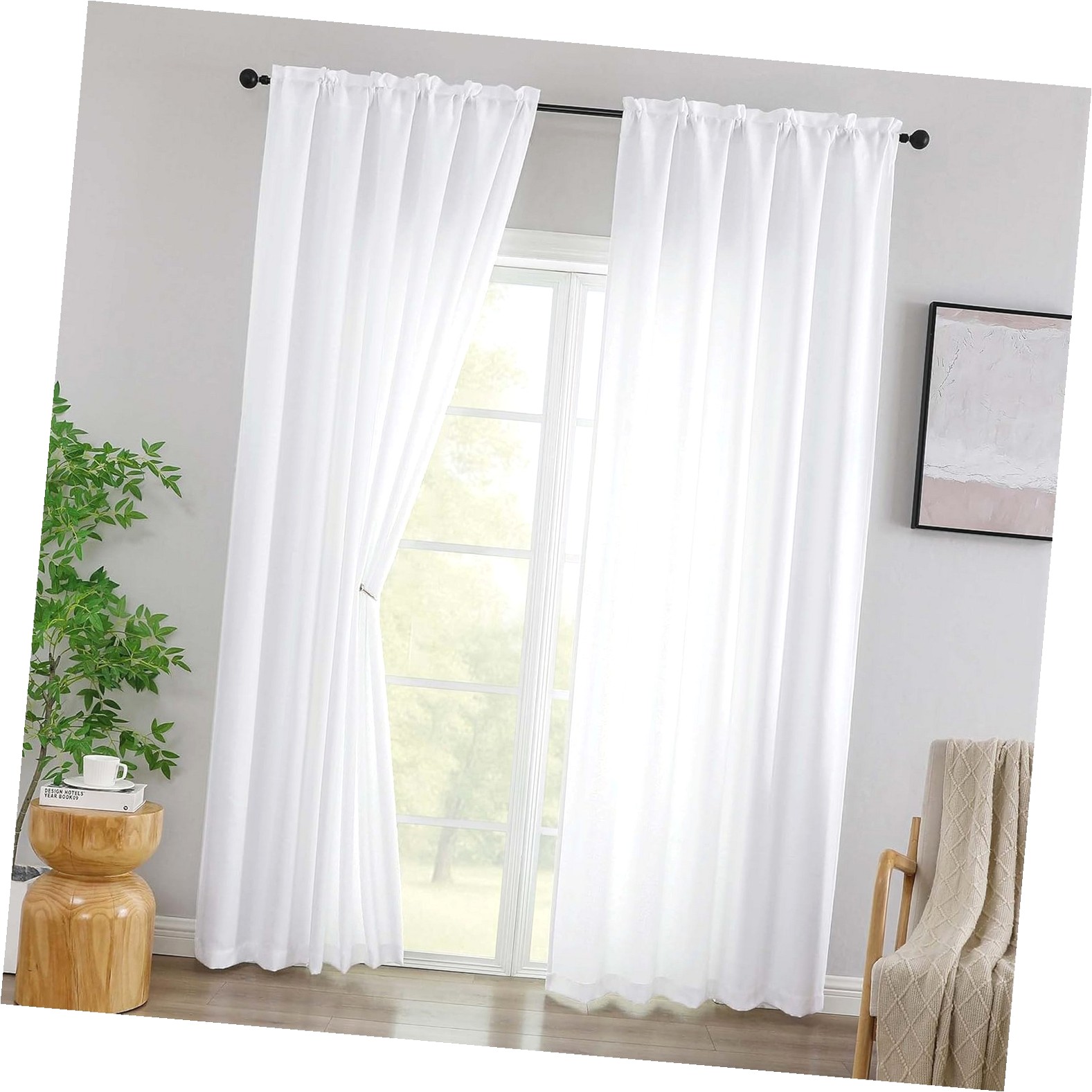
Rod pocket curtains slide directly onto the pole, which can make them difficult to open and close daily. Back tabs offer a cleaner alternative: hidden loops sewn behind the header slide onto the rod, giving you neat, soft folds without visible hardware.
Grommet
Grommet curtains feature metal-reinforced rings stamped directly into the fabric. While very easy to slide, they lean distinctly modern or industrial and may not suit traditional or transitional aesthetics.
How to Measure and Hang for a Professional Finish
To ensure your window treatments look tailored rather than off-the-rack, follow these essential hanging rules:
- Go Wide: Extend the curtain rod 8 to 12 inches beyond the outer edge of the window frame on each side. When the curtains are opened, the inner edge of the fabric should rest outside the glass, maximizing light and making the window look substantially wider.
- Calculate Fullness: Never buy panels that match only the exact width of your window. For a full, luxurious look, your total curtain width should be 1.5 to 2.5 times the width of the window frame. For a 60-inch window, you need at least 90 to 120 inches of combined curtain width (typically two 50-inch panels).
- Decide on the Floor Hem:
- The Float: The hem sits roughly 1/2 inch off the floor. This is ideal for high-traffic zones, homes with pets, and curtains you plan to open and close daily.
- The Kiss: The fabric just barely touches the floor. This provides the cleanest, most tailored appearance, though it requires precise measuring.
- The Puddle: The panel extends 1 to 3 inches onto the floor. This creates a romantic, formal look best suited for stationary panels in low-traffic areas.
Care and Maintenance for Crisp White Curtains
White curtains brighten rooms, but they also show household dust and pet hair faster than darker fabrics. Regular care preserves their vibrancy:
Dust regularly: Use the brush attachment on your vacuum cleaner to dust panels every few weeks, starting at the top where dust settles on the headers.
Check the care tag: Most cotton and synthetic curtains can be machine-washed on a gentle cycle with cold water and mild detergent. Linen and lined draperies often require dry cleaning to prevent shrinking or separation of the lining.
Steam, don't iron: After hanging, use a handheld garment steamer to relax fold creases. The weight of the 96-inch drop combined with gentle steam will naturally pull out wrinkles within 24 to 48 hours.
Final Thoughts
Investing in 96-inch white curtains is one of the simplest, most cost-effective ways to enhance your home's interior architecture. By hanging your rod high and wide, choosing a fabric texture that complements your lifestyle, and ensuring proper fullness, you turn simple windows into stunning focal points full of natural light and effortless style.