How Vanessa Williams Built a $150 Million Empire
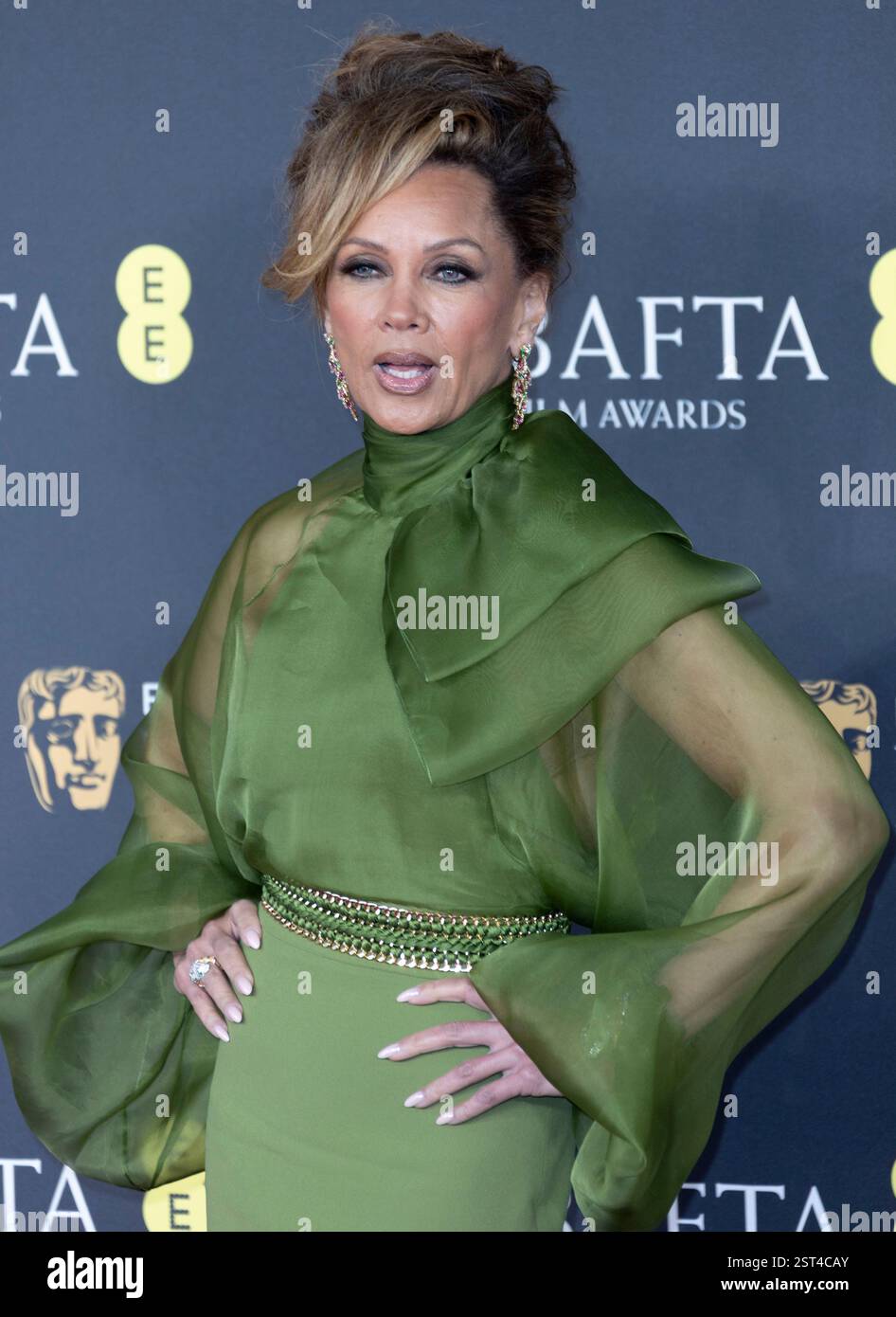
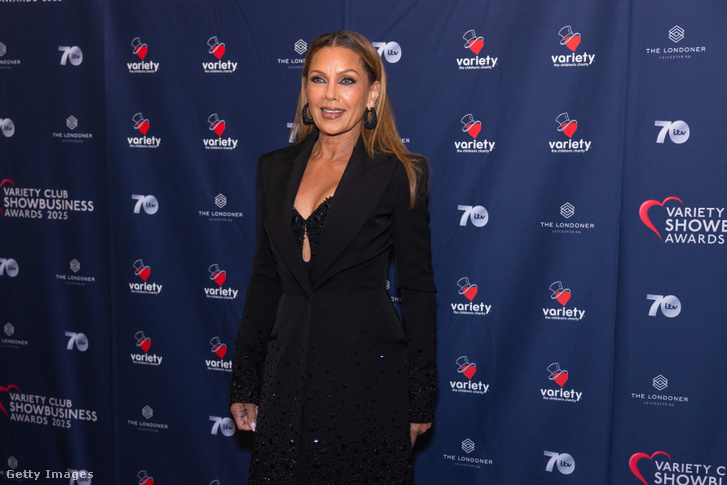
When Vanessa Williams stepped onto the stage as Miss America in 1983, history was made. However, the true story of her longevity is not just about breaking barriers in beauty pageants; it is a masterclass in career reinvention. Over four decades, Williams has navigated industry shifts, personal controversies, and economic tides to cement her legacy. Today, the conversation around her multi-faceted career often centers on how Vanessa Williams built a $150 million empire.

Unlike many modern influencers who rely on a single viral moment, Williams built her wealth brick by brick across multiple entertainment verticals. From Billboard-charting albums to Emmy-nominated television roles and high-end consumer products, her financial portfolio reflects calculated diversification and unwavering resilience.
Laying the Foundation: Music and Television
Before building her broader business empire, Williams established herself as a powerhouse vocalist and actress. Her entry into the music industry with the 1988 debut album The Right Stuff proved she was more than a headline. The album went platinum and earned her three Grammy nominations.
Her financial breakthrough in music came with her second album, The Comfort Zone (1991). Featuring the Billboard Hot 100 number-one hit "Save the Best for Last," the album sold over two million copies in the United States alone. Worldwide record sales, royalty streams from publishing rights, and lucrative global concert tours provided the initial capital that allowed her to invest in other business ventures.
Transitioning to Screen and Stage
Williams understood that relying solely on the music industry was a risk. She quickly expanded her resume into acting, conquering television, film, and Broadway. Her roles in major television hits provided steady, high-six-figure-per-episode paychecks during the golden age of network television.
- Ugly Betty (2006–2010): As Wilhelmina Slater, Williams earned widespread critical acclaim and multiple Emmy nominations, commanding a substantial salary per episode.
- Desperate Housewives (2010–2012): Her role as Renee Perry further cemented her status as television royalty, keeping her in high-paying, high-visibility roles.
- Broadway Success: Starring roles in Into the Woods, Kiss of the Spider Woman, and The Trip to Bountiful generated consistent high-ticket revenue and solidified her status as a triple threat.
Entrepreneurship and Brand Partnerships
As the entertainment landscape shifted in the 21st century, Williams leveraged her personal brand into profitable entrepreneurial ventures. Rather than simply endorsing products, she aligned herself with high-margin sectors that matched her demographic and lifestyle appeal.
Her business acumen shined brightly in the beauty and fashion sectors. Leveraging her decades-long status as a style icon, Williams launched curated product lines, fragrance partnerships, and fashion collaborations. These ventures capitalised on her devoted fanbase, turning passive admirers into active consumers.
Video: Vanessa Williams Historic Estate in Chappaqua | $4.5M | 1906 Gilded Age Glamour

Strategic brand ambassadorships with luxury and lifestyle brands also added millions to her bottom line. By maintaining a pristine public image and a reputation for professionalism, Williams positioned herself as a safe, high-value partner for major corporations looking to target affluent, mature consumers.
Smart Real Estate and Financial Investments
A significant portion of any high-net-worth individual’s portfolio stems from smart asset allocation, and Williams is no exception. Over the years, she has invested heavily in prime real estate across the United States, capitalizing on appreciating property values.
Her real estate portfolio includes luxury properties in New York and California. By purchasing homes in high-demand markets during strategic economic windows, she generated substantial passive wealth through property appreciation and rental income.
Beyond real estate, Williams diversified her wealth into private equity and venture investments. By backing emerging businesses, particularly those founded by women and minority entrepreneurs, she positioned herself to benefit from the startup economy.
The Power of Reinvention and Longevity
The core lesson of Williams' financial success is her ability to pivot. In the entertainment industry, longevity is the ultimate luxury. When record labels scaled back physical album budgets in the late 1990s, she moved to Broadway. When network television began facing competition from streaming services, she embraced recurring cable roles and digital platforms.
This agility ensured that her earning power never stagnated. By constantly updating her skillset and understanding where consumer attention was heading, she maintained relevance across generations.
Conclusion: Lessons from a Multifaceted Icon
Vanessa Williams' journey from pageant winner to mogul offers a clear roadmap for modern wealth-building. Her success proves that long-term financial security requires more than raw talent—it demands diversification, strategic timing, and a willingness to reinvent oneself. By combining steady earnings from acting and music with shrewd investments and entrepreneurial ventures, she secured her financial legacy for decades to come.