HRblock Appointment Alert: The IRS is Watching
If you recently saw a notification, text message, or headline reading HRblock Appointment Alert: The IRS is Watching, you are not alone. Tax season brings a dual wave of anxiety: taxpayers scrambling to organize their finances while contending with sophisticated phishing scams and an increasingly automated Internal Revenue Service. Whether you received a real appointment reminder, a suspicious SMS notification, or are simply scheduling tax preparation because you received an IRS inquiry, understanding what the government is actually monitoring is essential.

The IRS has modernized its detection infrastructure significantly over the past two years, deploying machine-learning algorithms and automated cross-referencing systems. Here is an objective breakdown of what those alerts mean, what the IRS is actually tracking, and how to protect your return before sitting down with an H&R Block tax professional.
First Check: Is Your Appointment Alert Legitimate or a Scam?
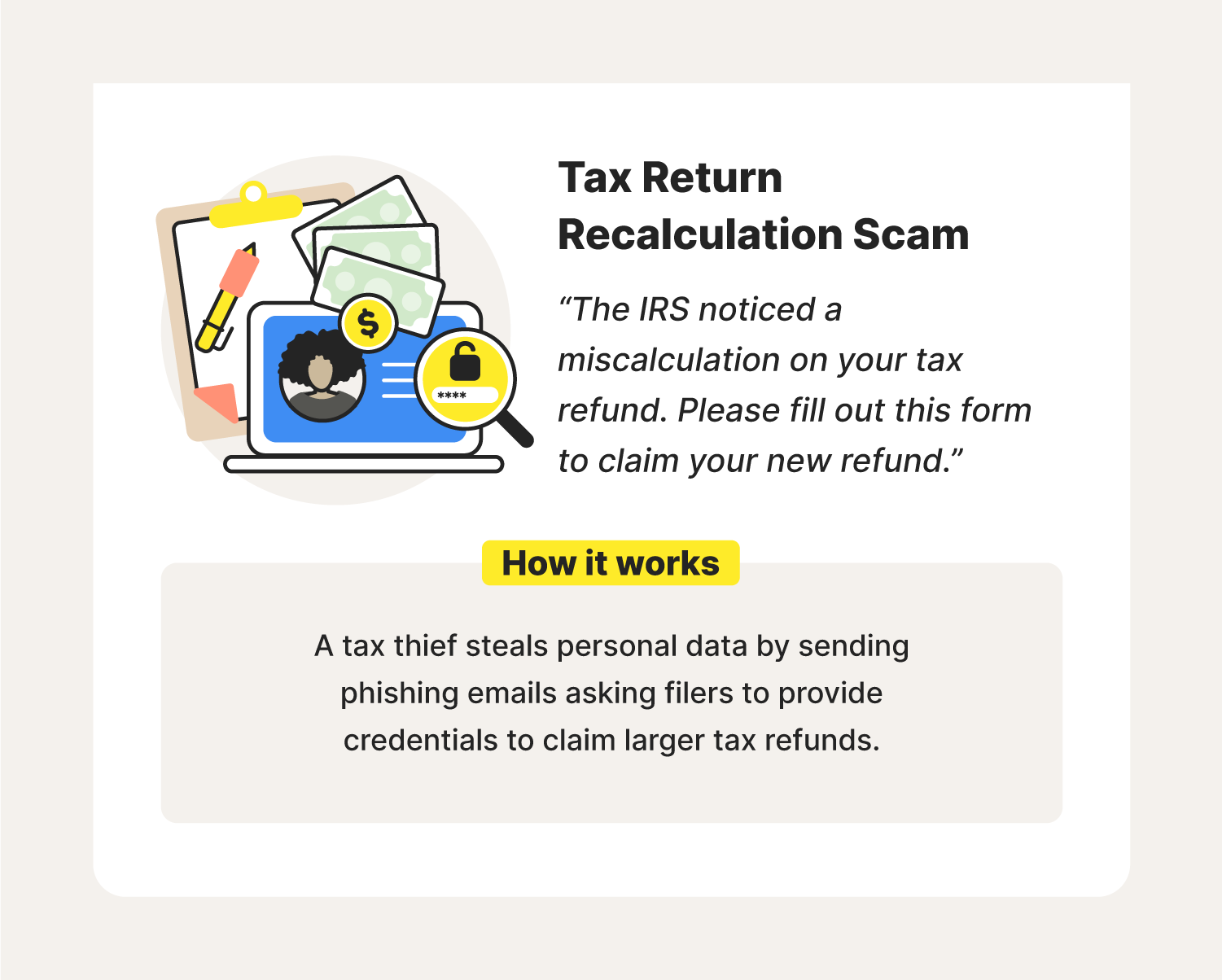
Before panicking about tax audits, determine whether the message you received is authentic. Cybersecurity firms routinely warn taxpayers about smishing (SMS phishing) campaigns that mimic major retail tax brands like H&R Block, TurboTax, and Jackson Hewitt.
Scammers exploit tax anxiety by sending texts that read along the lines of: “Urgent: Your H&R Block appointment requires verification. The IRS has flagged your SSN.” These messages generally contain a link to an unverified third-party domain designed to harvest your Social Security number, date of birth, and banking details.
- How H&R Block actually contacts you: Legitimate H&R Block appointment notifications come via opt-in text alerts, emails from verified
@hrblock.comaddresses, or directly inside the official MyBlock mobile app. - How the IRS contacts you: The IRS never contacts taxpayers by text message, unsolicited email, or social media to demand payment or warn of audits. Real IRS inquiries begin with official correspondence sent through the U.S. Postal Service.
If you receive an unprompted alert containing urgent threats about IRS surveillance, do not click the link. Navigate directly to your account at HRBlock.com or log into the IRS Online Account portal to verify your actual filing status.
HRblock Appointment Alert: The IRS is Watching These Key Areas
Assuming your appointment is real and you are sitting down with a tax preparer, what is the IRS actually monitoring this year? The agency is not sitting outside your door, but its digital systems are actively cross-referencing your return against third-party reporting documents. When an automated discrepancy occurs, the IRS issues an inquiry or an audit flag.
1. The 1099-K and Payment App Thresholds
Gig workers, freelancers, and casual sellers using platforms like Venmo, PayPal, Cash App, eBay, or Etsy are under intense scrutiny. While the federal reporting threshold rollout has seen phased adjustments, financial institutions still issue Form 1099-K for commercial transactions. The IRS Information Returns Processing (IRP) system matches these forms against the gross revenue reported on your Schedule C. An omission will trigger an automated Notice CP2000 for underreported income.
2. Cryptocurrency and Digital Asset Transactions
Page 1 of Form 1040 poses an explicit question: “At any time during the tax year, did you: (a) receive... or (b) sell, exchange, or otherwise dispose of a digital asset?” Answering “No” when a crypto exchange has generated a Form 1099-B, 1099-DA, or reported transaction activity under John Doe summonses is considered perjury. The IRS uses blockchain analytics tools to track wallet interactions tied to centralized off-ramps.
3. Earned Income and Child Tax Credit Discrepancies
Video: IRS Audits and Audit Triggers | H&R Block®

Refundable tax credits remain one of the most heavily audited areas in individual taxation. Because these credits generate cash refunds beyond what was withheld, IRS algorithms check dependent Social Security numbers against child custody databases, school enrollment records, and claims made by other parents or guardians.
4. Business Mileage and Home Office Deductions
Taking business write-offs without contemporaneous recordkeeping is an open invitation for an audit. Writing off exactly 10,000 miles or claiming 100% business use on an everyday vehicle raises algorithmic red flags. The IRS requires date-stamped mileage logs, start-and-end odometers, and documented business purposes.
Why Tax Preparers Face Due Diligence Mandates
When you sit down for your appointment, your H&R Block tax pro is not interrogating you because they are suspicious; federal law compels them to be thorough. Under Internal Revenue Code Section 6695(g), paid preparers face substantial financial penalties for each failure to exercise due diligence when filing returns claiming:
- The Earned Income Tax Credit (EITC)
- The Child Tax Credit (CTC) and Additional Child Tax Credit (ACTC)
- The American Opportunity Tax Credit (AOTC)
- The Credit for Other Dependents (ODC)
- Head of Household filing status
Preparers must complete Form 8867 (Paid Preparer’s Due Diligence Checklist), which requires them to verify your documents, ask probing follow-up questions, and keep copies on file for three years. If your preparer asks for proof that a child lived with you for more than half the year, they are safeguarding both your return and their professional license from IRS penalties.
How to Prepare for Your H&R Block Appointment
To avoid audit triggers and ensure your preparer can optimize your deductions safely, walk into your appointment with complete documentation. Arriving disorganized often leads to missing forms, which triggers automated IRS notices months down the line.
- Income Statements: Bring every W-2, 1099-NEC, 1099-MISC, 1099-K, and 1099-INT. Never estimate income based on your last paystub, as year-end adjustments can cause discrepancies.
- Digital Asset Reports: Export transaction histories and CSV summaries from your cryptocurrency exchanges and hardware wallets, including cost-basis calculations.
- Proof of Residency for Dependents: Bring medical records, report cards, or daycare receipts showing your child’s name and your shared residential address.
- Prior Year Returns: Bring your previous two years of tax returns. This helps your preparer verify carryover losses, depreciation schedules, and consistency.
- Identity Protection PIN: If the IRS previously issued you an IP PIN to combat identity theft, your return will be rejected electronically without it.
What to Do If You Already Received an IRS Notice
If you booked an H&R Block appointment because the IRS sent you a letter, do not ignore the deadline. Most correspondence—such as a CP2000 or CP504—provides a 30-day window to respond before the proposed assessment becomes final.
Gather the exact notice, along with all supporting records for that specific tax year. H&R Block tax pros can review the assessment, determine whether the IRS calculations are erroneous, and draft an official response letter with supporting documentation to correct the balance.
Bottom Line
The IRS is indeed monitoring tax filings more closely through automated data pipelines and third-party reporting. However, high-pressure alerts claiming immediate legal consequences are often scams. Maintain organized records, confirm all notifications through official portals, and collaborate transparently with your tax preparer to submit an accurate, compliant return.