Humane Society Greater Nashua: Do Donations Help?
When you open your wallet to support an animal welfare organization, you want certainty that your hard-earned money directly protects vulnerable pets. With widespread reports exposing high overhead costs and excessive marketing budgets at certain national animal charities, donor skepticism is at an all-time high. For local supporters looking at the Humane Society Greater Nashua: is your donation actually helping? The truth comes down to governance, financial transparency, and measurable community outcomes.

The Critical Difference: Local Shelters vs. National Organizations
One of the most persistent misconceptions in animal welfare is the belief that local humane societies are branch offices of large national groups like the Humane Society of the United States (HSUS) or the ASPCA. They are not.
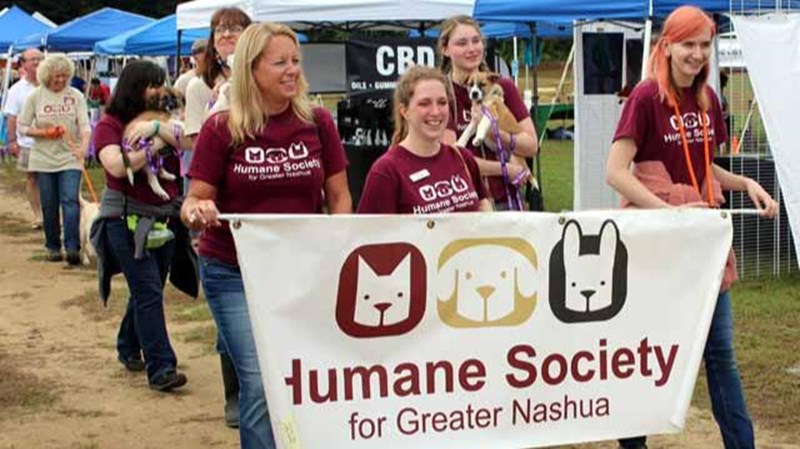
The Humane Society for Greater Nashua (HSFN) is an independent 501(c)(3) nonprofit organization. It receives zero regular operating funds from national animal welfare organizations, nor is it funded by the federal government. While it contracts with select local municipalities—including Nashua, Hollis, Brookline, and Amherst—to shelter stray and impounded animals, municipal contracts cover only a fraction of sheltering costs. The shelter relies predominantly on private donations, grants, and community fundraising to keep its doors open.
Humane Society Greater Nashua: Is Your Donation Actually Helping? The Truth
The short answer is yes: donations to the Humane Society for Greater Nashua have a direct, localized, and measurable impact on animals in southern New Hampshire. Because the organization operates independently, financial gifts do not disappear into a distant national advertising campaign or political lobbying fund.
Instead, donor dollars directly support operations at the Ferry Road facility in Nashua. Every dollar contributed assists in rescuing, rehabilitating, and rehoming roughly 2,000 to 3,000 pets annually, spanning dogs, cats, and small domestic animals.
Financial Health and Program Spending
Charity watchdog organizations generally advise donors to look for charities that dedicate at least 70% to 75% of their total expenses directly to programs, with the remainder covering administrative overhead and fundraising costs. The Humane Society for Greater Nashua consistently meets and exceeds these industry standards.
- Program Expense Ratio: Typically, more than 75% to 80% of HSFN's functional expenses directly fund animal care, veterinary services, shelter upkeep, and community outreach.
- Charity Navigator & Candid: HSFN consistently earns high marks on independent charity evaluators, maintaining top-tier status on Charity Navigator and earning the Platinum Seal of Transparency on Candid (formerly GuideStar).
- Public IRS Form 990: As a transparent nonprofit, HSFN publishes its annual IRS Form 990 filings, allowing anyone to review executive compensation, operating revenue, and itemized program costs. Executive salaries remain well within reasonable benchmarks for regional New England nonprofits of comparable size.
Where Your Money Actually Goes
To evaluate whether your contribution is truly helping, consider the specific programs and services funded by private contributions at HSFN:
1. In-House Medical and Surgical Care
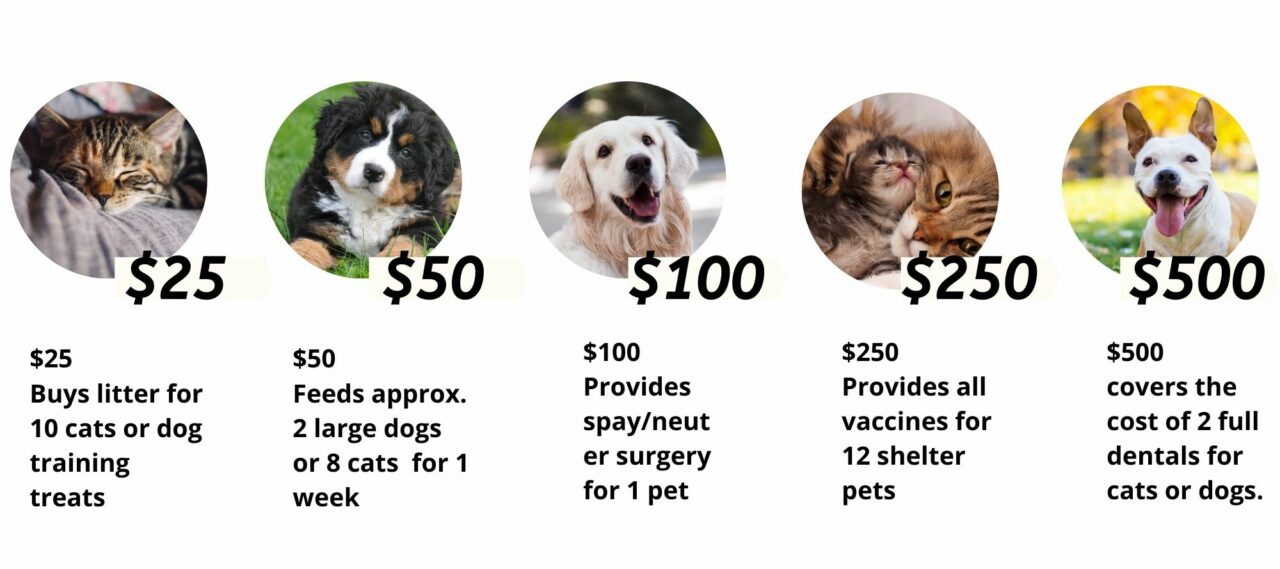
Medical care is the single largest expense in responsible animal sheltering. HSFN operates an in-house medical clinic staffed by licensed veterinary professionals. Your donations fund routine vaccinations, deworming, microchipping, and mandatory spay/neuter surgeries before adoption. Donations also cover extensive medical interventions, including orthopedic surgeries, dental procedures, and treatment for chronic conditions that would otherwise lead to euthanasia at underfunded facilities.
2. The Community Pet Food Pantry
Preventing shelter surrenders is just as important as facilitating adoptions. HSFN operates a dedicated pet food pantry for low-income residents in Greater Nashua. When families face economic hardship, access to free pet food and basic supplies allows pets to remain in their homes rather than being surrendered to the shelter due to financial strain.
3. Behavioral Enrichment and Rehabilitation
Animals entering shelter environments frequently experience acute stress, trauma, or lack of early socialization. Unaddressed behavioral challenges make adoption difficult. HSFN invests donor dollars into behavioral enrichment programs, specialized training plans, and foster care networks that prepare fearful or reactive pets for life in a permanent home.
4. Low-Cost Community Vaccine and Microchip Clinics
Community health initiatives reduce the spread of preventable diseases like rabies, distemper, and parvovirus across southern New Hampshire. HSFN hosts low-cost clinics that ensure pet owners can access preventive medicine regardless of their socioeconomic bracket.
Is the Humane Society for Greater Nashua a "No-Kill" Shelter?
Donors often ask about an organization's euthanasia policies before contributing. HSFN operates as an adoption-guarantee facility. While the term "no-kill" can sometimes be confusing, HSFN meets the industry benchmark: they do not euthanize animals for time, space, or convenience.
Euthanasia is reserved strictly for animals suffering from untreatable, terminal physical illness or those with severe, irremediable aggression that poses a direct threat to public safety. Every animal deemed medically treatable and behaviorally rehabilitatable is given the time, shelter, and care necessary to find an adoptive family.
How to Make Sure Your Contribution Has the Maximum Impact
If you want to ensure your support reaches the animals most effectively, consider the following strategies:
- Give Unrestricted Operating Funds: While it is tempting to restrict a gift to a specific animal or project, unrestricted donations allow shelter leadership to allocate resources wherever the emergency need is greatest—such as an unexpected intake of animals from a neglect case.
- Become a Monthly Sustainer: Regular, predictable monthly donations allow non-profit shelters to budget effectively across seasonal lulls and plan long-term medical treatments.
- Check for Employer Matching: Many corporate employers match charitable contributions dollar-for-dollar, instantly doubling the impact of your gift.
- Donate Supplies Directly: If you prefer tangible giving over monetary gifts, consult HSFN's online wish list. Shelters continually require specific high-quality pet foods, durable enrichment toys, clumping cat litter, and cleaning supplies.
The Verdict: Is Donating to HSFN Worth It?
Charitable skepticism is healthy and necessary; donors should always hold nonprofits accountable. In the case of the Humane Society for Greater Nashua, the evidence demonstrates that donations are managed responsibly, transparently, and with immediate benefit to the animals of southern New Hampshire. Because it is a standalone local entity receiving no automatic funding from national advocacy groups, community support is the sole engine that allows HSFN to rescue, heal, and rehome thousands of vulnerable animals every year.