Huntington Beach Tide Table Secrets for Surf Success
Huntington Beach is globally celebrated as Surf City USA, offering miles of consistent, high-energy beach break. However, walking down to the sand and paddling out blindly is a surefire way to miss out on the area's true potential. To score clean barrels and long walls, you need to understand more than just the daily swell forecast. Mastering the Huntington Beach tide table is the ultimate secret weapon for timing your sessions to perfection.

Tide movements dictate water depth, current strength, and wave shape. Because Huntington Beach relies heavily on shifting sandbars and distant swells, even a minor shift in the tide can turn a closed-out mess into an overhead playground. Here is how to decode the data and maximize your time in the water.
How Tides Shape Huntington Beach Surf Breaks
Different spots along the coastline react uniquely to rising and falling water. What works at the Pier might completely wash out two miles south. To use a Huntington Beach tide table effectively, you must understand how bathymetry—the underwater topography—interacts with the tide.
The Pier Northside and Southside
The iconic Huntington Beach Pier is the focal point of local surf culture. Both the north and south sides feature permanent wooden pilings that scour the ocean floor, creating distinct sand troughs.
- Low to Mid-Tide: As the water drains out, the sandbars shallow up. This is when the wave breaks with maximum punch, often producing hollow, fast lefts and rights close to the pilings.
- High Tide: When the tide peaks, the deeper water absorbs much of the swell's energy. Waves tend to fat out, crumble, and push right up against the beach, leaving a steep, heavy shorebreak.
The Cliffs (North Huntington Beach)
Bordering Bolsa Chica state beach, the northern end of Huntington Beach features slightly more defined bottom contours and less crowded peaks.
- Incoming Tide: This is generally the sweet spot for the Cliffs. As water pushes onto the shallow shelf, it cleans up the chop and creates organized peaks that hold up nicely against offshore winds.
Timing Your Session Using the Huntington Beach Tide Table
Video: The Truth About Surfing Huntington Beach

Reading a tide chart involves more than just looking at the daily highs and lows. You need to analyze the rate of water movement and how it aligns with local wind patterns.
The Magic Window: Two Hours Before and After
Experienced local surfers rarely paddle out at the exact moment of a high or low tide. Instead, they target the transition periods. The two hours leading up to a low tide—and the two hours immediately following it—offer the most dynamic wave shapes.
During a dropping tide, water rushing off the shore can hold up incoming wave faces, making them steeper and more makeable. Conversely, a rapidly rising tide can sometimes pinch off a good bank, turning a firing session into a sluggish wall of water within twenty minutes.
Combining Tides with Swell Direction
A Huntington Beach tide table only tells half the story. You must cross-reference tide heights with the angle of the incoming swell.
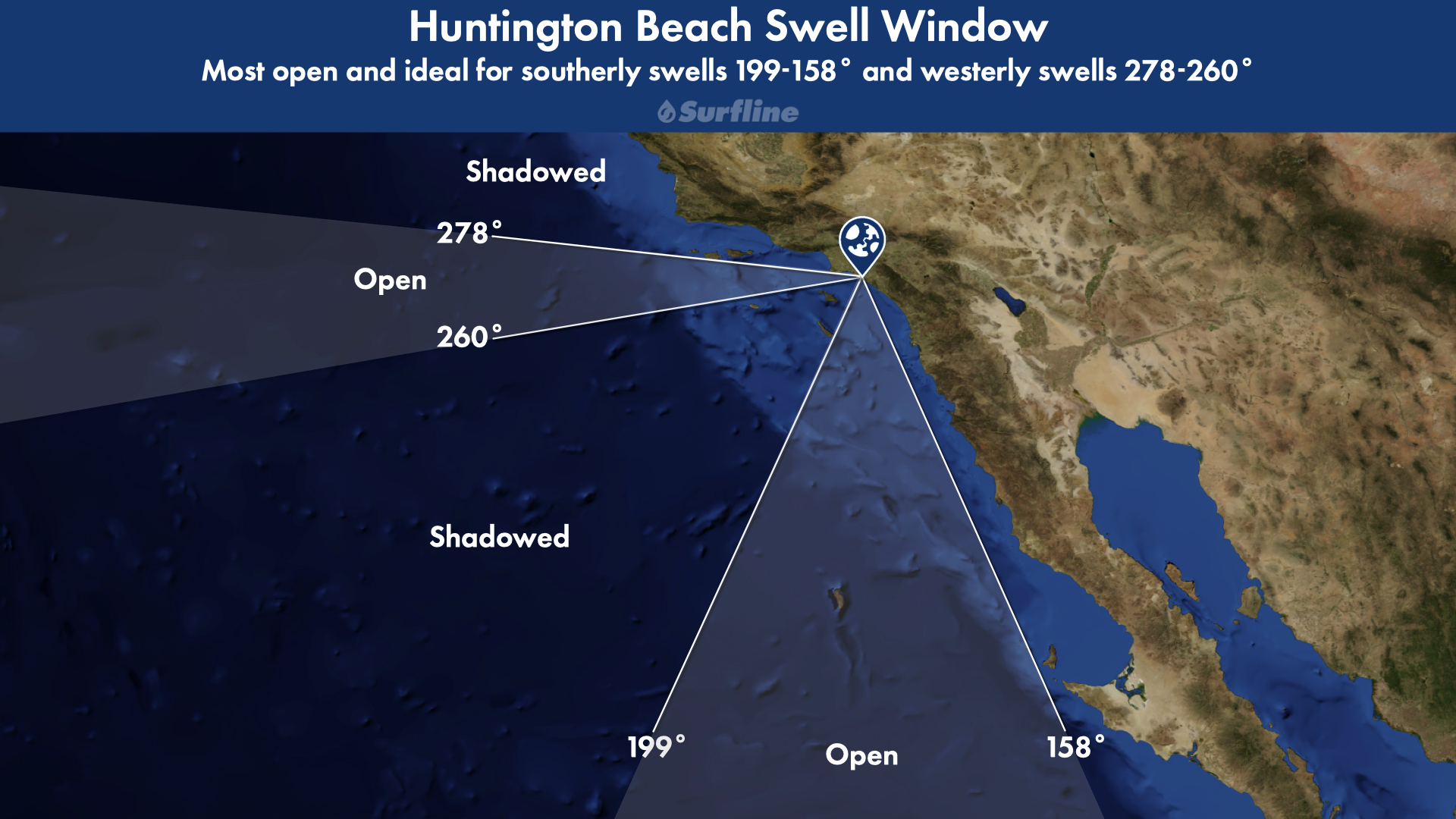
- West/Northwest Swells: These are the bread and butter of Huntington Beach. They wrap efficiently into the coast and pair best with a mid-tide, preventing the waves from doubling up too heavily on the outer bars.
- South Swells: During summer, south swells filter in at an angle. These require a lower tide to expose the sandbars, otherwise the energy tends to dissipate in the deeper channels before breaking.
Insider Tips for Checking Local Tides
Don't rely solely on generic weather apps when planning your next session. To get hyper-local accuracy for Surf City, keep these strategies in mind:
- Account for Time and Height Adjustments: Official tide stations are sometimes miles away from your exact peak. Minor variations in local geography can shift the exact minute of high or low tide by 10 to 15 minutes.
- Watch the Current: A swinging tide often unleashes fierce lateral currents along the Huntington coastline. If the tide is rushing out hard against a strong swell, expect to do a lot of paddling to maintain your position in the lineup.
- Observe the Wind: Morning glass is ideal, but onshore winds frequently pick up by midday. Pair an incoming morning tide with light offshore winds for absolute peak conditions.
By studying the Huntington Beach tide table alongside swell charts and wind reports, you remove the guesswork from your surf routine. Next time you head down the Pacific Coast Highway, check the water movement first, time your paddle-out to the shifting sandbars, and catch the best waves of your life.