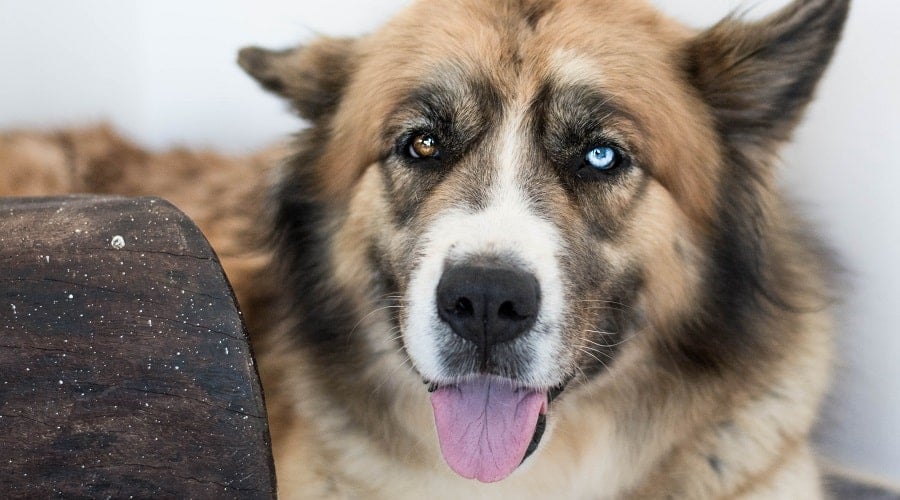
Husky and St. Bernard Mix: The Ultimate Guide
When you cross two of the world's most recognizable cold-weather working dogs, you get a fascinating and powerful hybrid: the husky and st bernard mix, often affectionately called the "Saintalski" or "St. Bernusky." This striking designer dog combines the relentless stamina and striking eyes of the Siberian Husky with the massive size, loyalty, and gentle nature of the St. Bernard.

While they make incredible companions for the right household, they are not suited for every living situation. This comprehensive guide covers everything you need to know about owning, training, and caring for this unique giant-breed mix.
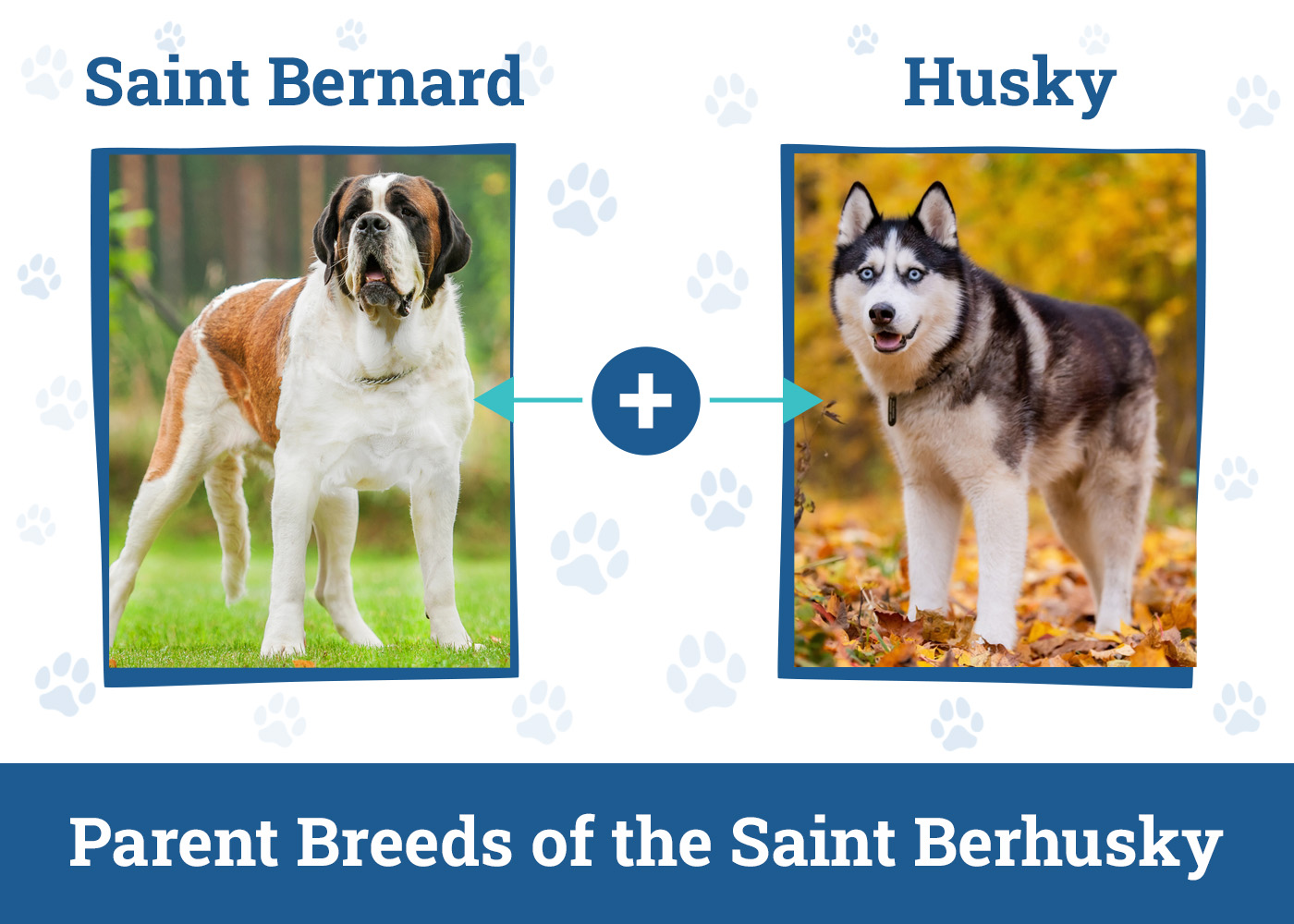
Origin and Parent Breeds
To understand what makes a husky and st bernard mix tick, it helps to look at its foundation. Designer breeds do not have centuries of standardized breeding behind them, meaning puppies can inherit traits unevenly from either parent.
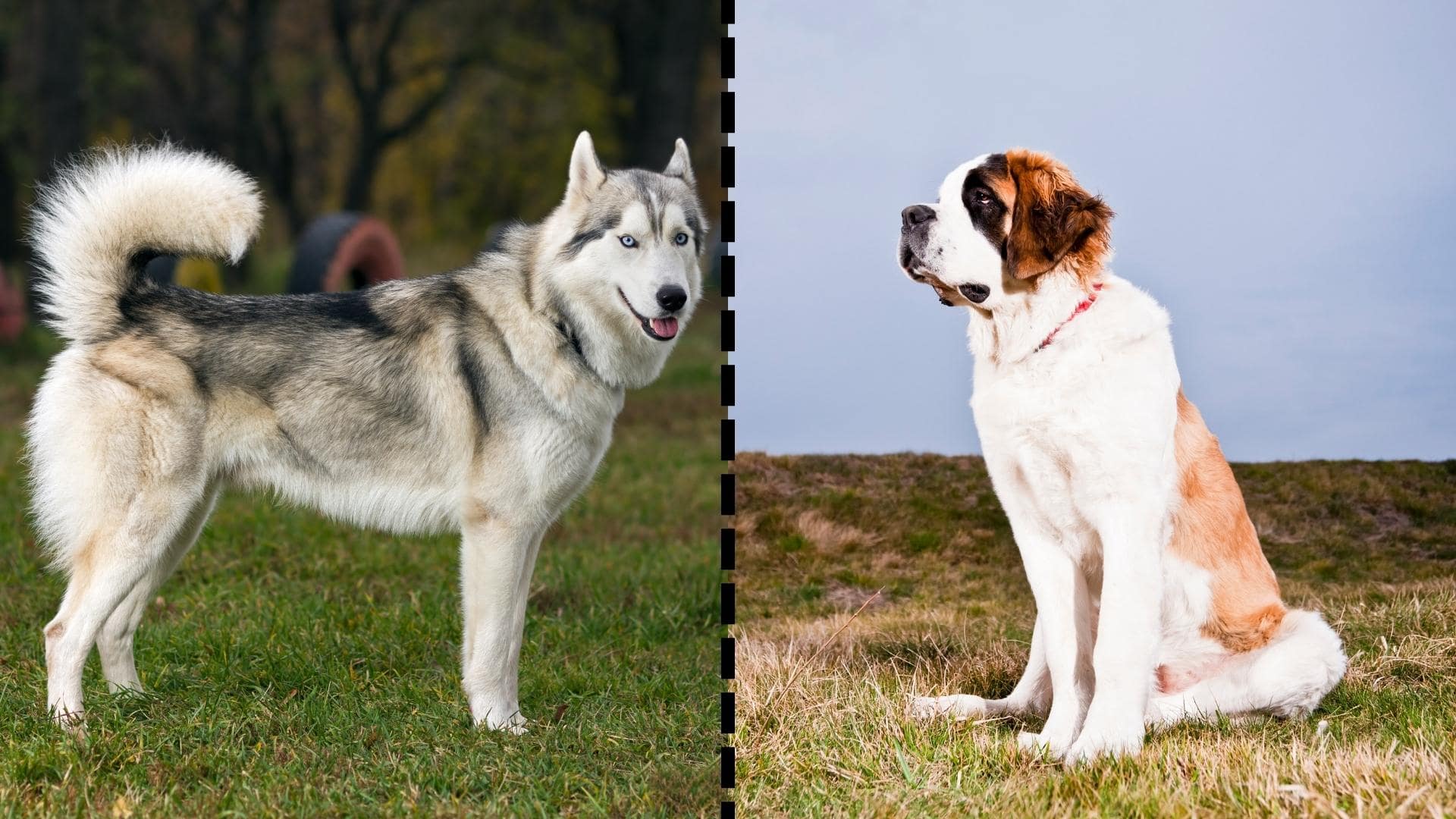
The Siberian Husky
Bred by the Chukchi people of Northeast Asia, Huskies were engineered to pull light loads across vast, frozen expanses over long distances. They are famously high-energy, intelligent, independent, and possess a strong prey drive. They are also notorious escape artists who love to run.
The St. Bernard
Originating from the Swiss Alps, St. Bernards were bred by monks at the Great St. Bernard Hospice to rescue lost and stranded travelers. They are renowned for their calm demeanor, immense strength, loyalty, and protective instincts. They are true gentle giants.
Physical Appearance and Size
Because you are mixing a medium-large dog with a giant breed, the husky and st bernard mix is generally a large-to-giant dog. However, exact measurements vary wildly from one puppy to the next.
- Height: 24 to 30 inches at the shoulder
- Weight: 60 to 120 pounds (sometimes more for males with heavy St. Bernard genetics)
- Coat: Usually a thick, dense double coat built for sub-zero temperatures.
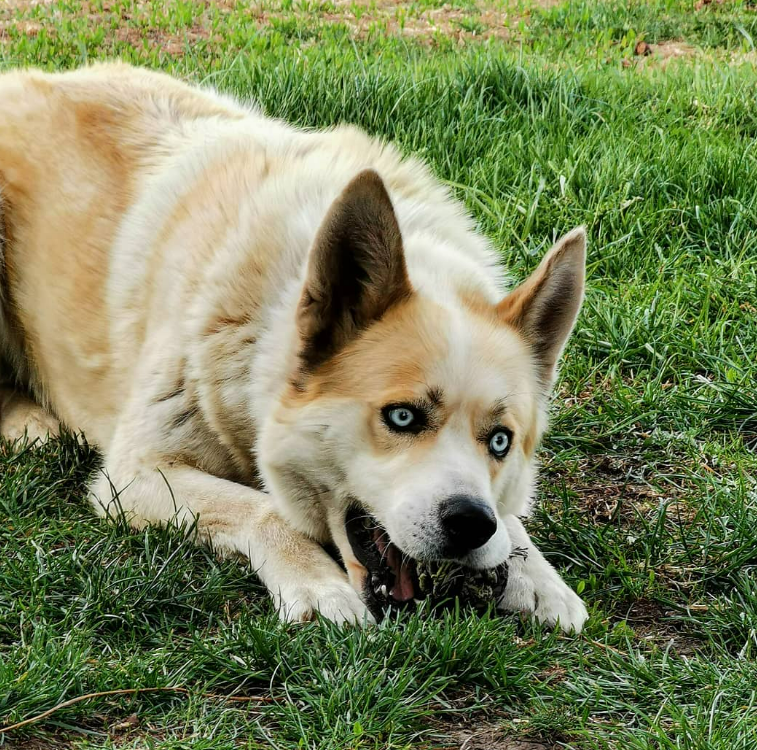
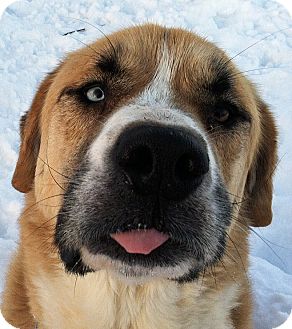
- Eyes: Can be brown, blue, amber, or even heterochromic (one blue, one brown), courtesy of the Husky lineage.
- Colors: A blend of white, black, gray, brown, red, and sable, often featuring the classic facial markings of a St. Bernard or the mask of a Husky.
Temperament and Personality
The personality of a Saintalski is usually a heartwarming blend of playful energy and deep affection. Because both parent breeds are working dogs, this mix thrives when it has a "job" to do or a task to focus on.
Are They Good Family Dogs?
Yes, they are generally fantastic with families. St. Bernards are legendary for their patience with children, and Huskies are typically very social and playful. However, due to their sheer size, accidental tumbles can happen, so they should always be supervised around toddlers.
Socialization and Guarding

While St. Bernards are natural protectors, Huskies are generally friendly with strangers. A mix will often lean toward being alert and protective without being aggressively territorial. Early socialization is crucial to ensure they remain polite and confident around new people and animals.
Grooming and Shedding Requirements
If you hate dog hair, this is definitely not the breed for you. Both parent breeds shed heavily, and the husky and st bernard mix inherits a thick double coat that requires serious maintenance.
- Daily Brushing: During normal weeks, plan on brushing your dog two to three times a week.
- Blowouts: Twice a year, during seasonal changes, they will "blow" their undercoat. Daily raking with an undercoat rake is mandatory during these periods.
- Drool: Depending on how much St. Bernard DNA your dog has, expect moderate to heavy drooling—keep a hand towel handy!
Exercise and Training Needs
Both parent breeds are intelligent, but they approach obedience from very different angles. Huskies are independent thinkers who may test your boundaries, while St. Bernards are eager to please but can be stubborn simply due to their size.
Exercise Requirements
Do not let the lazy demeanor of an adult St. Bernard fool you; the Husky influence means this mix has substantial energy needs. They require at least 60 to 90 minutes of daily exercise. Long walks, hiking, jogging in cool weather, and backyard playtime are essential.
Mental Stimulation
A bored Saintalski can become destructive. Puzzle toys, obedience training sessions, and interactive games will keep their sharp minds occupied and prevent unwanted behaviors like digging or chewing.
Health and Lifespan
Hybrid vigor can sometimes improve overall health, but mixed-breed dogs are still susceptible to the genetic conditions of their parent breeds. Knowing what to watch for helps ensure a long, healthy life.
- Lifespan: Typically 8 to 12 years.
- Hip and Elbow Dysplasia: Common in giant breeds; joint supplements and maintaining a lean weight help mitigate this.
- Bloat (Gastric Torsion): Due to their deep chests, they are at risk for bloat. Feeding smaller, frequent meals and avoiding vigorous exercise immediately after eating is vital.
- Eye Issues: Inherited conditions like progressive retinal atrophy (PRA) from the Husky side should be screened for by breeders.
Is a Husky and St. Bernard Mix Right For You?
Before bringing home a Saintalski puppy, ask yourself the following questions:
- Do I have the space? While they can adapt to large suburban homes, apartment living is generally unfair to a dog of this size.
- Can I handle the climate? These dogs overheat easily. If you live in a hot, humid climate like Florida or Texas, keeping them comfortable requires rigorous air conditioning and careful exercise timing.
- Am I prepared for grooming? You must be willing to vacuum frequently and invest time in coat maintenance.
If you have an active lifestyle, a cool climate, a spacious home, and plenty of love to give, the husky and st bernard mix will reward you with unwavering loyalty, gentle companionship, and a striking companion that turns heads wherever you go.