Hydrocodone Pill Identification: Guide to Imprints & Colors
When managing prescription medications, accurate hydrocodone pill identification is a critical step for patient safety. Hydrocodone is a powerful semi-synthetic opioid analgesic prescribed to manage moderate to severe pain. Because it is almost always manufactured in combination with other ingredients—most commonly acetaminophen—it is produced by numerous pharmaceutical companies in a wide variety of shapes, sizes, colors, and imprints.
Understanding how to read pill markings helps patients, caregivers, and medical professionals verify that they are handling the correct medication and dosage. However, visual identification is only the first step; checking pharmacy labels and consulting a healthcare professional remain the ultimate standards for medication safety.
Understanding Hydrocodone Combinations and Strengths
Hydrocodone is rarely prescribed as a single-ingredient oral medication. Instead, it is typically compounded with non-opioid pain relievers like acetaminophen (paracetamol). The inclusion of acetaminophen helps enhance pain relief while allowing for lower doses of the opioid component. Common brand names include Vicodin, Lortab, and Norco, though generic equivalents are far more common today.
Because different manufacturers produce generic versions, pills containing the exact same amount of active ingredients can look completely different. Regulatory agencies like the U.S. Food and Drug Administration (FDA) require every prescription pill to feature a unique combination of letters, numbers, or symbols—known as an imprint code—alongside a distinct color and shape to prevent dangerous mix-ups.
Common Imprints and Visual Characteristics
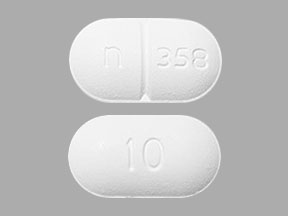
Accurate hydrocodone pill identification relies heavily on recognizing specific imprint codes stamped onto the surface of the tablet. Below are some of the most frequently encountered generic hydrocodone-acetaminophen combinations.
White, Oval, and Oblong Tablets
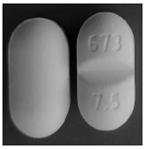
Many lower-to-moderate strength hydrocodone pills are manufactured as white, oblong, or oval tablets. These often feature score lines to allow for splitting, though patients should only split pills if explicitly instructed by a physician or pharmacist.
Video: How To Double Check Your Rx & ID Pills

- M365: Typically a white, oblong tablet containing 5 mg of hydrocodone bitartrate and 325 mg of acetaminophen. Manufactured by Mallinckrodt.
- M366: A white, capsule-shaped tablet containing 7.5 mg of hydrocodone and 325 mg of acetaminophen, also from Mallinckrodt.
- M367: A white, capsule-shaped tablet with a higher potency of 10 mg hydrocodone and 325 mg acetaminophen.
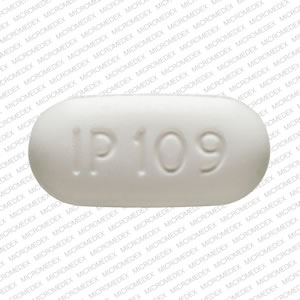
- IP 109: A white, oblong tablet marked with 'IP' on one side and '109' on the other, containing 10 mg of hydrocodone and 325 mg of acetaminophen.
Round and Other Colored Tablets
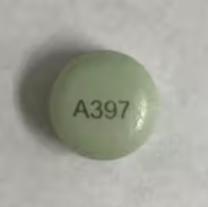
While white oblong tablets are the industry standard, some manufacturers produce round or differently shaded tablets to differentiate their products.
- Watson 349: A white, round tablet containing 5 mg hydrocodone and 500 mg acetaminophen. (Note: Many manufacturers have transitioned away from the 500 mg acetaminophen limit in favor of 325 mg to reduce the risk of liver damage).
- Watson 853: A white, capsule-shaped tablet scored on one side, containing 10 mg hydrocodone and 325 mg acetaminophen.
- Vicodin ES: Historically yellow, oblong tablets containing 7.5 mg hydrocodone and 750 mg acetaminophen, though generic equivalents vary widely.
Steps for Safe Pill Verification
Relying solely on visual memory for hydrocodone pill identification can lead to dangerous errors, especially given the high similarity between different dosages of the same drug family. Follow these steps to verify any prescription medication:
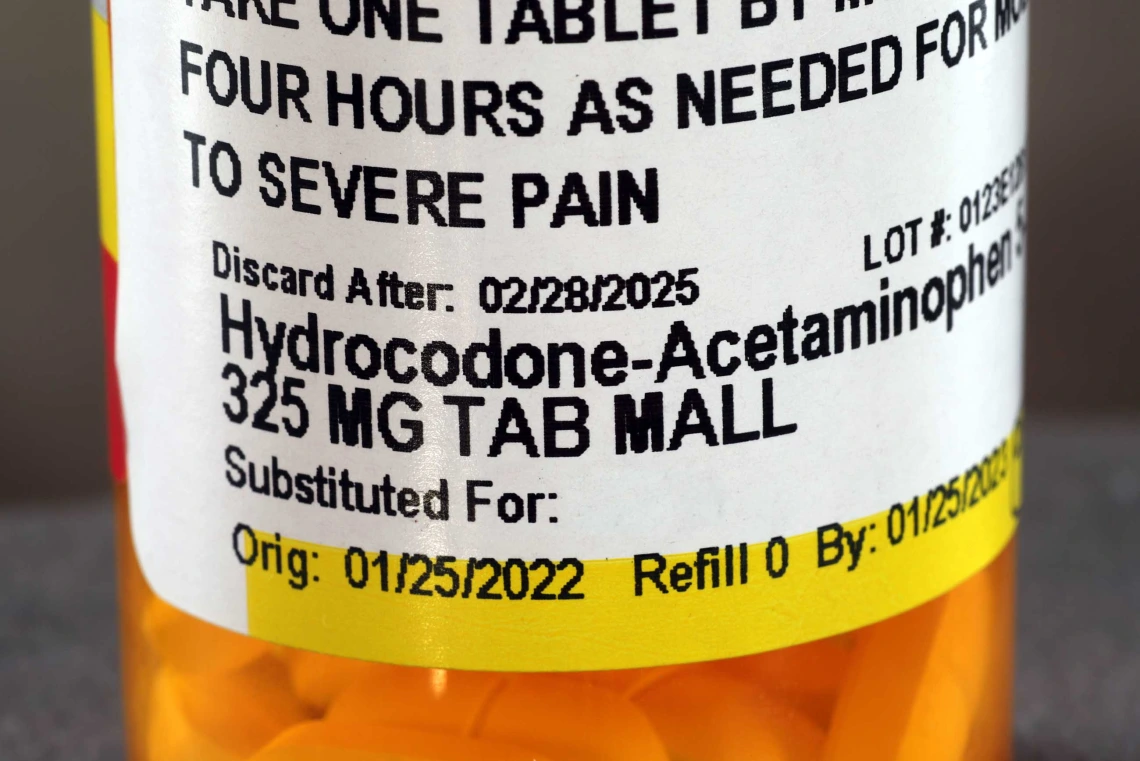
- Check the Prescription Bottle: Always review the pharmacy label first. It should list the exact name of the drug, the generic manufacturer, the strength, and a physical description of the pill.
- Examine Imprint Codes: Use a magnifying glass if necessary to read the letters and numbers stamped into the tablet. Match these codes against a reputable, professional pill identifier database.
- Consult a Pharmacist: If you find a loose pill, or if a refill looks different from your previous supply, do not take it. Bring the medication to a licensed pharmacist who can inspect it using official pharmaceutical references.
- Evaluate the Source: Never take prescription medications that were not dispensed directly from a licensed pharmacy. Counterfeit pills containing illicit and lethal substances like fentanyl often mimic legitimate pharmaceutical imprints.
Risks of Misidentification
Mistaking one prescription strength for another carries severe health risks. Taking too much hydrocodone can lead to profound central nervous system depression, respiratory depression, coma, or fatal overdose. Conversely, taking a lower dose than prescribed may result in uncontrolled pain, leading patients to improperly adjust their dosing schedules.
Furthermore, because these pills contain acetaminophen, taking multiple pills due to misidentification can quickly exceed the maximum safe daily dose of acetaminophen (typically 4,000 mg for healthy adults), leading to acute liver failure.
Conclusion
Proper hydrocodone pill identification serves as a vital safeguard in medication management. By paying close attention to imprint codes, shapes, and colors—and always cross-referencing them with pharmacy documentation—patients can prevent accidental overdoses and medication errors. When in doubt, always verify questionable pills with a licensed healthcare provider or pharmacist before consumption.