Hypoallergenic Dogs: Large Breeds That Don't Shed
When allergy sufferers look for hypoallergenic dogs, large breeds often get overlooked. Popular culture frequently associates low-dander pets with tiny lap dogs like the Maltese or Bichon Frise. However, if your heart is set on a sizable running partner, an imposing guardian, or a gentle giant to sprawl out on the living room rug, you do not have to compromise your respiratory health.

While no canine is 100% non-allergenic, several large breeds produce significantly less dander and shed minimally, making them far easier on sensitive immune systems. Here is an honest breakdown of how canine allergies work, the best large breeds to consider, and the maintenance required to keep your symptoms at bay.
The Science of Dog Allergies: Why Size Matters
A common misconception is that dog hair triggers allergies. In reality, the true culprits are microscopic proteins—primarily Can f 1 and Can f 2—found in a dog's dander (dead skin flakes), dried saliva, and urine.
When dogs shed their fur, they broadcast this allergen-laden dander throughout your carpets, upholstery, and air ducts. Because larger dogs have significantly more surface area than small dogs, a typical high-shedding large dog (like a German Shepherd or Golden Retriever) releases vast quantities of allergens into the home.
Large hypoallergenic dogs combat this in two ways:
- Hair instead of fur: Breeds with single coats of hair go through a much longer growth cycle, meaning they lose hair at roughly the same slow rate humans do.
- Low-dander hair traps: Curly or wiry coats trap what little loose hair and dander does shed, preventing it from drifting into your living spaces until you brush or wash it out.
Choosing Hypoallergenic Dogs: Large Breeds to Consider
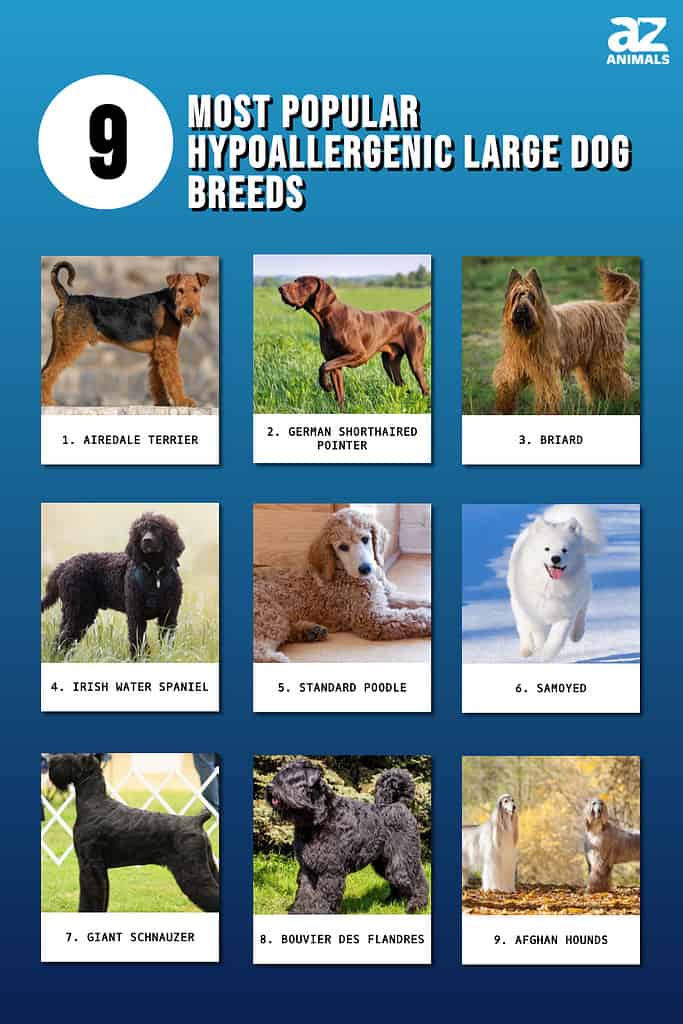
If you need a breed with real substance, stamina, and presence, these large, allergy-friendly breeds stand above the rest.
1. Standard Poodle
The Standard Poodle is the gold standard for allergy-friendly canines. Standing over 15 inches tall (often reaching 21 to 24 inches) and weighing between 45 and 70 pounds, these are athletic, highly trainable working retrievers.
Poodles possess a single-layer coat of dense, curled hair that barely sheds. Because they shed into their own coats rather than onto your furniture, loose hair must be brushed out regularly to avoid matting. Their intelligence and eagerness to please make them fantastic family companions and service dogs.
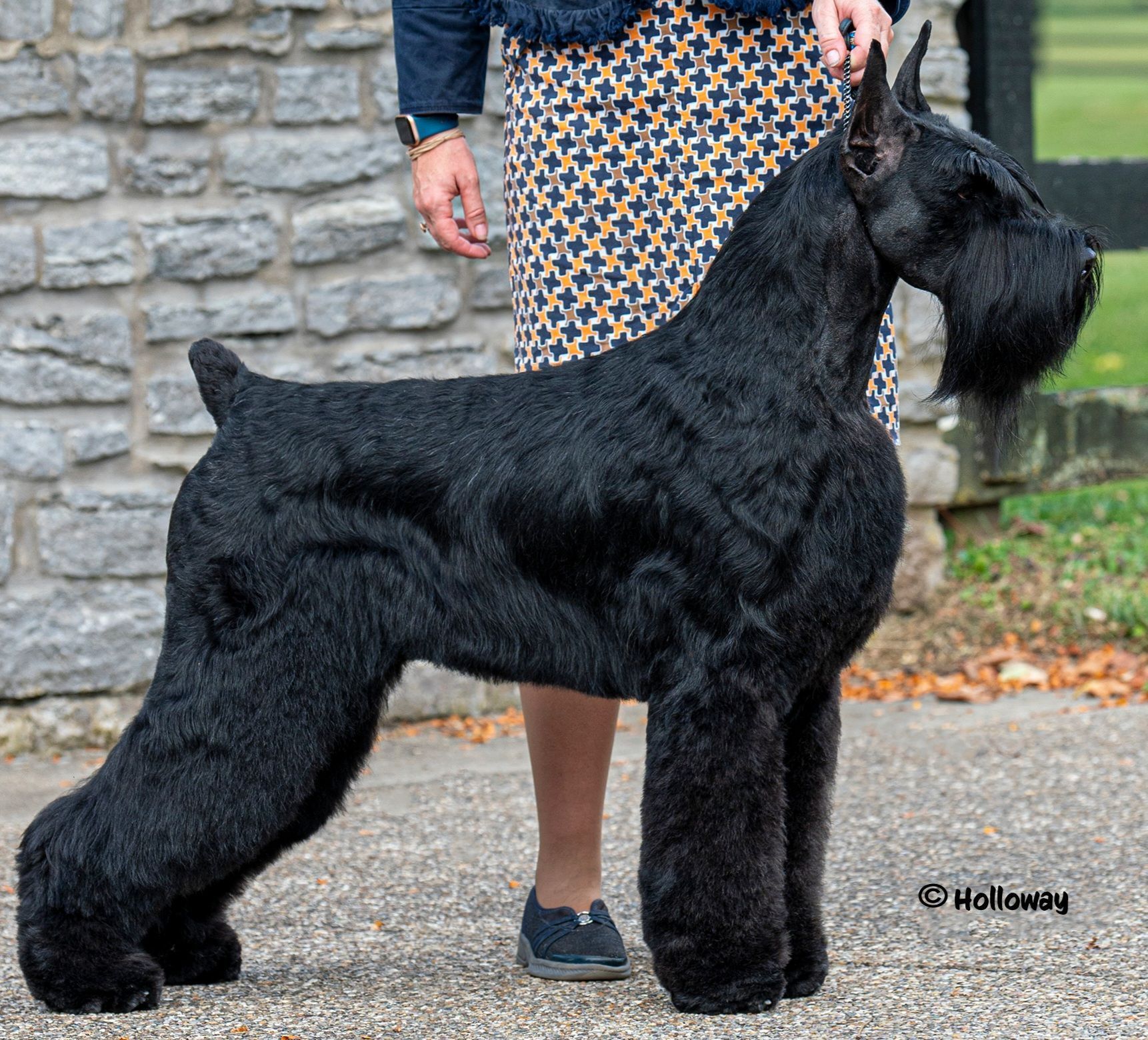
2. Giant Schnauzer
For those seeking a loyal protector, the Giant Schnauzer commands respect. Weighering between 65 and 90 pounds, this formidable German breed features a dense, wiry topcoat and a soft undercoat that sheds very little when properly managed.
Giant Schnauzers are high-drive working dogs requiring substantial physical exercise and firm, structured training. Their coats require routine hand-stripping or regular clipping every six to eight weeks to keep dander low.
3. Portuguese Water Dog
Bred to herd fish into nets and courier messages between fishing vessels, the Portuguese Water Dog (PWD) is a robust, muscular breed. Males can reach up to 60 pounds, straddling the line between medium and large.
PWDs have a single coat that comes in two varieties: compact curls or gentle waves. They have no undercoat and shed very little. They are spirited, water-loving companions best suited for active households that can match their high energy levels.
4. Irish Water Spaniel

The tallest of the AKC spaniels, the Irish Water Spaniel often weighs up to 65 pounds. Recognizable by their tightly curled, liver-colored coat and distinctively smooth "rat tail," these dogs were bred as hardy dual-purpose water retrievers.
Their dense, water-repellent coat produces minimal dander and sheds negligibly. While clownish and affectionate with family, they can be reserved around strangers and require early socialization.
5. Airedale Terrier
Known as the "King of Terriers," the Airedale is the largest of all terrier breeds, typically weighing 50 to 70 pounds. They have a hard, wiry, weather-resistant double coat that naturally repels dirt and produces minimal loose dander.
Airedales are independent, brave, and lively. They do well with families but retain a strong prey drive and the classic terrier tenacity. Weekly brushing with a slicker brush and periodic stripping or clipping will keep shedding close to zero.
6. Bouvier des Flandres
The Bouvier des Flandres is an imposing herding and farm dog weighing between 70 and 100 pounds. Beneath their rugged, tousled exterior lies a calm, steady, and protective family guardian.
Despite having a thick double coat, the Bouvier sheds very lightly because the dense, harsh outer coat traps loose hair. However, their coats can collect outdoor debris and dirt, which can introduce secondary environmental allergens like pollen into the house unless brushed routinely.
7. Afghan Hound
Weighing 50 to 65 pounds, the Afghan Hound is an ancient sighthound known for its regal posture and flowing, silky coat. While their dramatic hair might look like an allergy nightmare, they do not have a typical fur undercoat; they shed far less than most dogs of their size.
However, the Afghan Hound requires extensive, daily grooming to keep their long coat free of mats and debris. They possess an independent, cat-like demeanor that thrives best in calm, patient homes.
The Grooming Commitment for Large Breeds
Owning a large hypoallergenic dog comes with a major caveat: grooming is mandatory, not optional. Because low-shed coats do not naturally shed out old hair, that hair remains trapped on the dog until you remove it.
- Frequent Brushing: Use a high-quality slicker brush and metal comb two to three times per week. This removes trapped hair, dander, and dried saliva before it spreads indoors.
- Routine Bathing: Bathing your dog every 3 to 4 weeks with a moisturizing, dander-reducing shampoo neutralizes surface allergens. Avoid over-washing, which dries the skin and increases flaking.
- Professional Clipping: Unless you learn to clip your dog at home, budget for professional grooming every 6 to 8 weeks. Grooming a 70-pound Poodle or Giant Schnauzer requires specialized equipment and stamina.
Strategies to Minimize Allergens at Home
Even with an allergy-friendly breed, you can take practical steps to ensure clean indoor air:
- Establish a dog-free bedroom: You spend a third of your life sleeping. Keeping your bedroom off-limits prevents allergen accumulation where you breathe the most.
- Deploy HEPA air purifiers: Place high-efficiency particulate air (HEPA) purifiers in key living areas to capture airborne dander particles.
- Wash bedding weekly: Wash your dog's bed, blankets, and your own soft furnishings regularly in hot water to eliminate dried saliva and skin flakes.
- Wipe paws and muzzles: After outdoor play, quickly wipe your dog down with a damp cloth or hypoallergenic pet wipe to remove pollen, dust, and dried drool.
Final Thoughts
You do not need to settle for a toy breed just because you deal with pet sensitivities. Breeds like the Standard Poodle, Giant Schnauzer, and Portuguese Water Dog offer the physical presence, athletic capability, and protection of a large dog without the relentless clouds of fur. By committing to a consistent grooming schedule and smart home air management, you can comfortably share your space with the big dog of your dreams.