I-140 Case Is Being Actively Reviewed by USCIS: Meaning
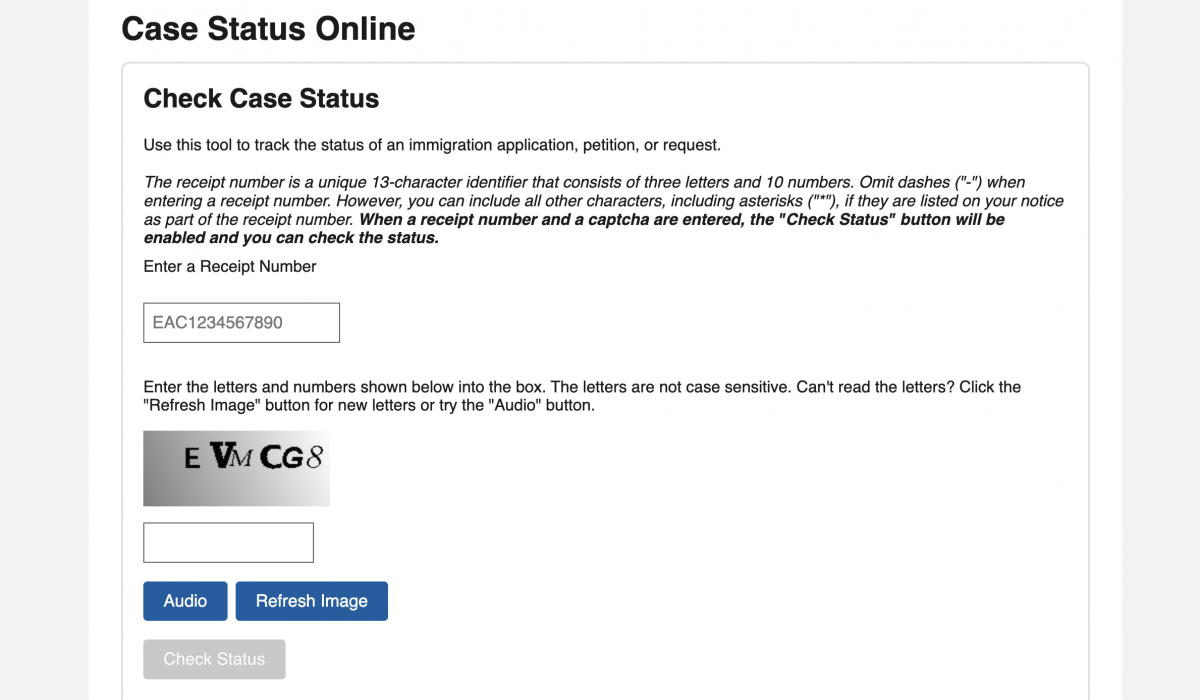
Checking your immigration status online can provoke significant anxiety, especially when an employment-based green card hinges on the outcome. If you log into your tracker and see that your case is being actively reviewed by uscis i-140, you are likely wondering whether an approval is imminent or if an officer has flagged a problem with your petition.

In short: this status update is a standard procedural milestone. It means your Immigrant Petition for Alien Workers (Form I-140) has moved past initial intake and is sitting in front of an adjudicating officer. Understanding how United States Citizenship and Immigration Services (USCIS) handles petitions at this stage can help you set realistic expectations and prepare for your next steps.
What It Means When Your Case Is Being Actively Reviewed by USCIS (I-140)
When an employer or self-petitioner (in the case of EB-1A or EB-2 NIW) files Form I-140, the package first arrives at a USCIS Lockbox or service center intake facility. Intake personnel verify that the correct filing fees are attached, ensure required signatures are present, and generate a receipt notice (Form I-797C).
During this preliminary phase, your status typically displays as "Case Was Received."
The transition to "Case Is Being Actively Reviewed by USCIS" occurs when your physical or electronic file is transferred to an adjudication queue and assigned to an individual immigration officer. At this stage, the officer performs several core tasks:
- Verifying eligibility criteria: The officer assesses whether the beneficiary meets the specific requirements of the employment category (e.g., advanced degree, extraordinary ability, or multinational manager status).
- Auditing labor certification compliance: For EB-2 and EB-3 petitions requiring an approved PERM from the Department of Labor, the officer verifies that the petition matches the certified ETA Form 9089.
- Evaluating the petitioner's ability to pay: The adjudicator examines corporate tax returns, audited financial statements, or annual reports to verify that the sponsoring employer can pay the proffered wage.
- Conducting fraud and security checks: Internal databases and external records are checked to ensure legitimacy and legal compliance.
Does This Status Mean My I-140 Is Approved?
No. An active review status does not indicate approval, nor does it imply that an approval is guaranteed. It simply confirms that your petition is no longer sitting idle in an intake repository; an officer has opened the file or queued it for direct review.
How Long Does the Active Review Status Last?
The time your I-140 remains under active review varies widely depending on whether you filed under standard processing or requested Premium Processing via Form I-907.
1. Regular Processing
Under standard processing, an I-140 petition can remain in "actively reviewed" status anywhere from a few days to several months. Total I-140 processing times depend heavily on the processing service center (such as Nebraska, Texas, or California) and the specific preference category:
- EB-1 petitions: Often range from 4 to 12 months.
- EB-2 and EB-3 petitions: Typically average between 6 and 14 months, depending on backlogs.
- EB-2 National Interest Waivers (NIW): Often take between 8 and 14 months due to the evidentiary depth required.
It is not uncommon for an I-140 to display "case is being actively reviewed" for 60 to 180 days without another visual update if the service center is experiencing heavy caseloads.
2. Premium Processing
If you or your employer filed Form I-907 alongside your I-140 (or upgraded to it later), USCIS guarantees adjudicative action within a strict timeframe:
- 15 calendar days: For standard EB-1, EB-2, and EB-3 petitions.
- 45 calendar days: For EB-1C multinational executives and EB-2 NIW petitions.
If your case displays active review under Premium Processing, expect a definitive decision—or an evidentiary notice—well before the statutory clock expires.
Why Did My Status Update to "Actively Reviewed" Twice?

Many applicants notice that the status timestamp updates, but the message remains unchanged: "Case Is Being Actively Reviewed by USCIS." This "second review" update frequently causes confusion, but it is normal and usually occurs for one of three reasons:
- Internal File Reassignment: The petition may have been transferred from a supervisory officer or general queue to an individual adjudicator's desk.
- Security Clearance Refresh: Certain automated background and identity verifications run in batches; a background check completion can trigger a status refresh in the online system.
- Review of Secondary Evidence: If the officer pulled external records or requested input from an internal specialist, the case re-enters the active queue once those inputs arrive.
In many instances, a second "actively reviewed" notification indicates that the officer has completed their analysis, and a final disposition (approval or request for evidence) follows shortly after.
Possible Outcomes After Active Review
Once an adjudicator completes their assessment of the Form I-140, your status will update to reflect one of four outcomes:
1. Case Was Approved
This is the best-case scenario. USCIS generates an Approval Notice (Form I-797), which is mailed to your employer or immigration attorney. If your priority date is current, you can proceed with Form I-485 (Adjustment of Status) or consular processing.
2. Request for Evidence (RFE) Was Sent
If the officer finds that the documentation is incomplete or ambiguous, they will issue an RFE. Common triggers include unclear proof of ability to pay, questions about progressive work experience, or specialty degree equivalencies. An RFE is not a denial; it is an opportunity to clarify details and submit supplemental documentation within a defined window (usually 30 to 87 days).
3. Notice of Intent to Deny (NOID)
A NOID is more serious than an RFE. It signifies that the officer intends to deny the petition unless the petitioner successfully refutes specific adverse findings. Employers receive a strict timeline (typically 30 days) to submit a comprehensive legal brief and evidence addressing the deficiencies.
4. Direct Denial
Direct denials without an advance RFE or NOID are rare, but they happen if the filing has clear statutory ineligibility—such as an unapproved labor certification, an invalid check, or lack of basic required signatures.
Steps You Should Take While Waiting
While an I-140 petition is under adjudication, the beneficiary cannot directly communicate with USCIS unless they filed a self-petition (such as EB-1A or EB-2 NIW). However, you can take practical measures to maintain legal status and protect your path forward:
- Confirm Your Address: If you move, update your address via Form AR-11 online within 10 days to ensure USCIS mailings do not bounce.
- Monitor Underlying Nonimmigrant Status: Do not let your H-1B, L-1, or O-1 status lapse assuming an approved I-140 will grant immediate protection. Maintain valid nonimmigrant status at all times.
- Track Processing Times: Check official USCIS historical processing times for your specific service center. If your petition exceeds normal processing times, your employer or attorney can submit an inquiry (e-Request).
- Consider Premium Processing: If extended standard processing causes severe delays or jeopardizes expiring nonimmigrant status (such as approaching an H-1B six-year limit), consult your employer about upgrading to Form I-907.
Final Thoughts
Seeing that your case is under active review simply confirms your petition has reached an adjudicator's workspace. While waiting can be nerve-wracking, it signifies forward motion. Keep your contact details current, stay in regular communication with your sponsoring employer or immigration attorney, and prepare any supporting documents in case a formal response is needed.