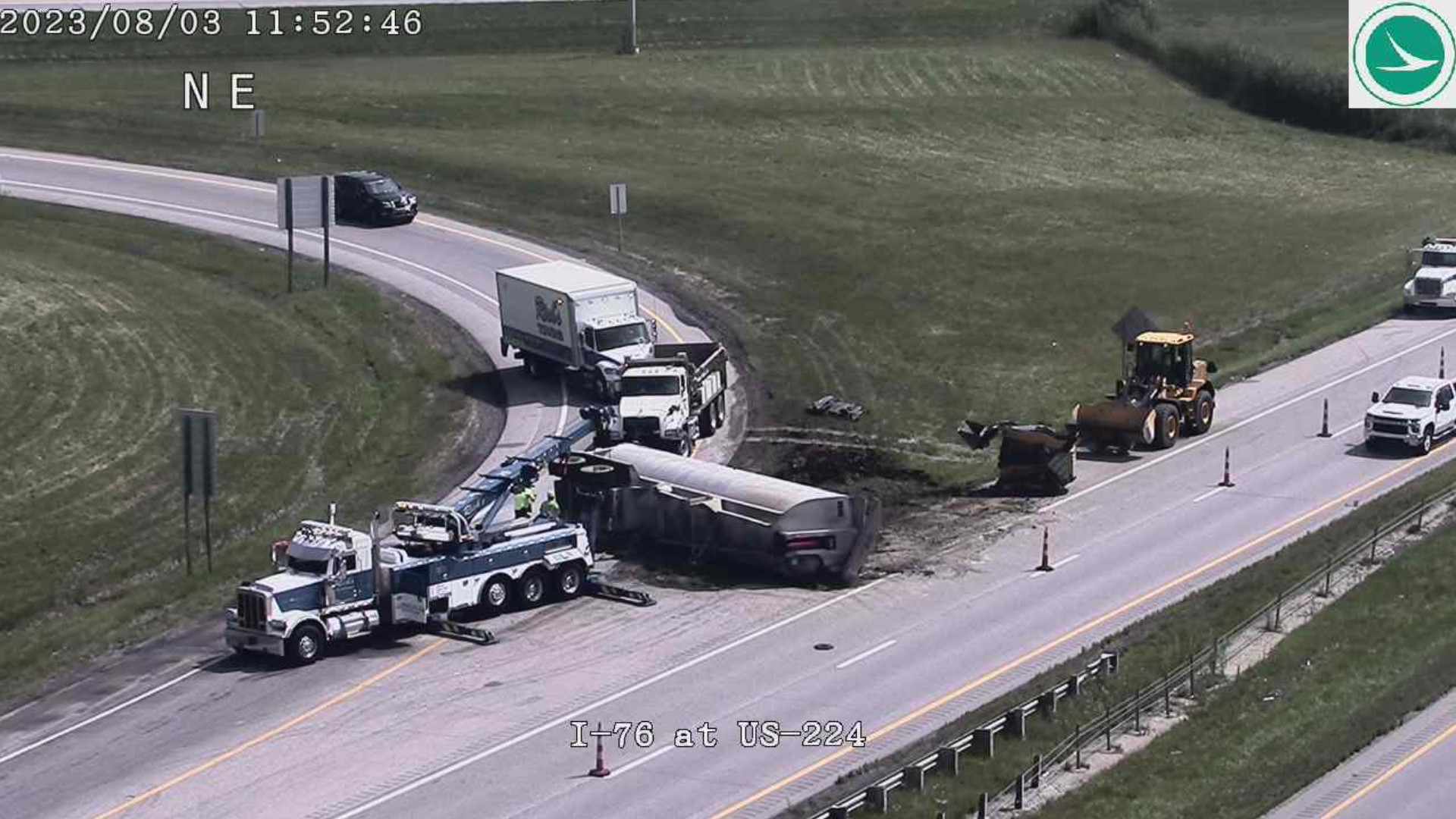
I-71 North Accident Today: Causes & Safety
Navigating major interstate corridors requires constant vigilance, especially on high-volume routes like Interstate 71. When an I-71 North accident today disrupts your morning commute or afternoon travel plans, it serves as a stark reminder of how quickly road conditions can change. Beyond the immediate frustration of traffic delays and backed-up ramps, serious collisions on this vital artery demand a closer look at the underlying causes, traffic patterns, and safety measures that can help prevent future incidents.
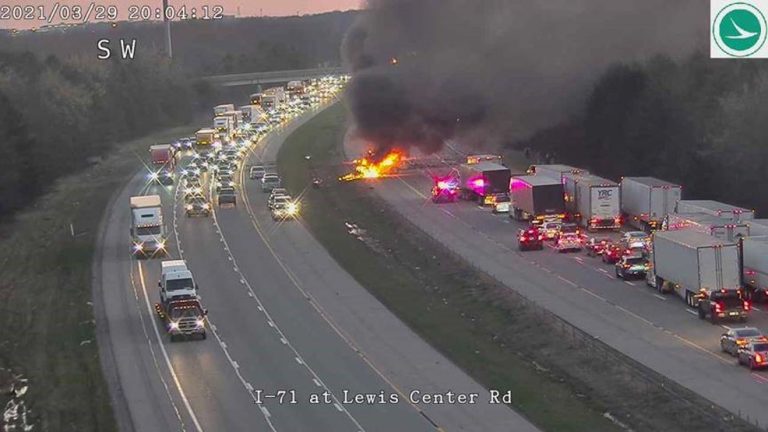
Understanding the I-71 North Accident Today
Interstate 71 stretches across multiple states, carrying thousands of commercial trucks, daily commuters, and long-distance travelers every single hour. Because of this heavy traffic mix, even a minor distraction or a sudden weather shift can trigger a chain-reaction collision. When monitoring traffic reports for an I-71 North accident today, drivers typically look for three critical details: the exact mile marker, the number of vehicles involved, and whether any commercial semi-trucks are blocking the lanes.
Emergency responders and state highway patrol units rely on rapid clearance protocols to reopen lanes as quickly as possible. However, the ripple effects of a major crash can persist for hours, impacting secondary roads and creating hazardous congestion zones where secondary accidents frequently occur.
Common Causes of Collisions on Interstate 71
While every crash has unique circumstances, traffic safety experts note recurring patterns in highway collisions along major routes like I-71. Pinpointing these root causes helps drivers anticipate danger and adjust their driving habits accordingly.
1. Distracted Driving and Smartphone Use
Despite strict laws and widespread public awareness campaigns, distracted driving remains the leading cause of highway accidents. A momentary glance down at a text message or navigation app at 65 miles per hour means a vehicle travels the length of a football field completely blind. On I-71 North, where traffic speeds fluctuate rapidly from free-flowing to a dead stop, distracted drivers often fail to brake in time, resulting in severe rear-end collisions.
2. Tailgating and Failure to Maintain Safe Following Distance

High-density traffic naturally tempts drivers to crowd the vehicle ahead of them. However, aggressive tailgating drastically reduces the reaction time needed to respond to sudden braking events. When one motorist taps their brakes unexpectedly, a chain reaction ripples backward through closely packed lanes, frequently culminating in multi-vehicle pileups.
3. Severe Weather and Reduced Visibility
The geography along I-71 exposes motorists to unpredictable weather patterns, ranging from sudden summer downpours to blinding winter snow squalls and early-morning fog. Wet, icy, or slick pavement significantly increases stopping distances. When drivers fail to reduce their speed to match these adverse conditions, hydroplaning and loss-of-control accidents become nearly inevitable.
4. Commercial Truck Traffic and Blind Spots
Commercial freight carriers are essential to the economy, but sharing the highway with semi-trucks requires extra caution. Trucks have massive blind spots—often referred to as 'No-Zones'—directly behind, in front of, and alongside the cab. A passenger vehicle merging improperly or cutting off a large truck can easily spark a catastrophic highway incident.
How to Navigate Around Highway Incident Zones Safely
If you find yourself approaching the site of an I-71 North accident today, or any active highway emergency, following proper protocol keeps both you and emergency personnel safe:
- Slow down immediately: Observe electronic warning signs and reduce your speed well before reaching the traffic queue.
- Move over: Comply with state 'Move Over' laws by shifting away from the shoulder where police cruisers, tow trucks, and paramedics are working.
- Avoid rubbernecking: Keep your eyes focused on the road ahead rather than gazing at the wreckage, which is a major cause of secondary rear-end crashes.
- Use real-time navigation: Utilize crowd-sourced traffic apps to identify alternate routes early and bypass heavy congestion zones.
Conclusion
An I-71 North accident today is more than just a commuting inconvenience; it is a reminder of the inherent risks of high-speed highway travel. By staying aware of common hazards like distracted driving, tailgating, and inclement weather, motorists can take active steps to protect themselves and others. Prioritizing defensive driving habits ensures that everyone arrives at their destination safely.