ICD 10 Code Edema: Complete Medical Coding Guide
Medical coding requires a high level of precision, especially when documenting fluid retention and swelling. Finding the correct icd 10 code edema depends heavily on the anatomical site, whether the condition is localized or generalized, and any underlying systemic diseases. Selecting an inaccurate code can lead to claim rejections, payment delays, and compliance issues.
This comprehensive guide breaks down the primary ICD-10 codes for various types of swelling, helping clinicians and billers navigate classification categories with confidence.
Understanding the Core ICD 10 Code Edema Categories
In the ICD-10-CM classification system, edema is categorized primarily under chapter codes related to symptoms, signs, and abnormal clinical findings, as well as specific organ system diseases. Most general occurrences fall under category R60. However, localized fluid retention linked to specific conditions like heart failure or lymphedema will use completely different chapters.
To code accurately, clinical documentation must specify the exact nature of the swelling. Vague terms like "swollen legs" often require a query to the provider to determine if the condition is peripheral, pitting, or due to another pathology.
Generalized Edema (R60.0)
When fluid retention affects the entire body rather than a single limb or localized area, the standard code is R60.0 (Generalized edema). This condition is frequently associated with systemic disorders such as:
- Congestive heart failure (CHF)
- Advanced chronic kidney disease or nephrotic syndrome
- Severe liver cirrhosis with portal hypertension
- Severe protein malnutrition (kwashiorkor)
When coding for generalized swelling in a patient with heart failure, coders must review official guidelines to determine if combination codes or separate manifestation codes apply.
Localized Edema (R60.1)
Localized fluid retention is classified under R60.1 (Localized edema). This diagnosis applies when swelling is restricted to a specific region, such as a single hand, an eyelid, or the face, and is not a generalized systemic issue. Common clinical scenarios include localized allergic reactions, minor trauma, or localized inflammatory processes.
Edema, Unspecified (R60.9)
The code R60.9 (Edema, unspecified) should be used strictly as a last resort. This occurs when the medical record simply states "edema" without any documentation specifying the anatomical site, laterality, or underlying etiology. Because payers increasingly demand specificity, relying on R60.9 frequently triggers requests for additional medical documentation.
Specific Types of Edema and Their ICD-10 Codes
Beyond the general R60 category, many types of fluid retention have dedicated ICD-10 codes based on their clinical origin or body part affected.
Peripheral Edema and Lower Extremity Swelling

While "peripheral edema" is a very common clinical phrase, the ICD-10-CM index typically directs coders to more specific anatomical descriptions. Depending on the documentation, lower extremity swelling may fall under localized edema or specific symptom codes.
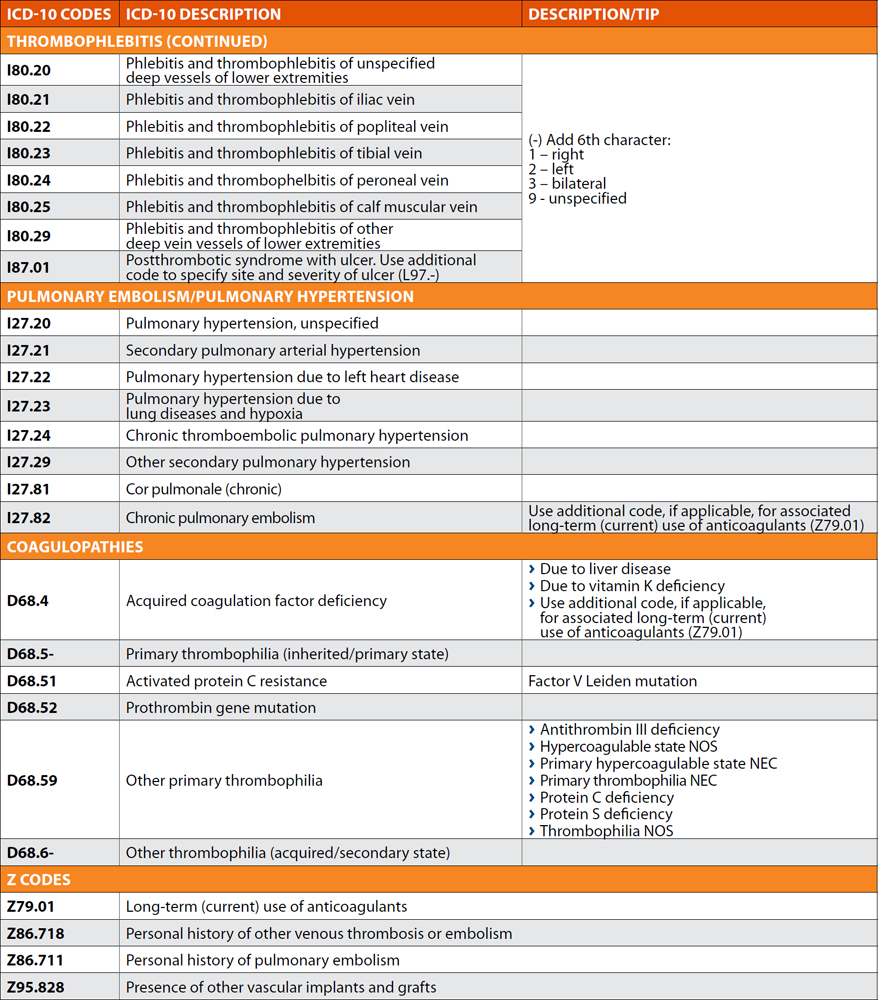
If the lower leg swelling is caused by chronic venous insufficiency, the appropriate code shifts from the symptom chapter to circulatory system codes, such as:
- I83.0: Varicose veins of lower extremities with ulcer
- I83.1: Varicose veins of lower extremities with inflammation
- I83.2: Varicose veins of lower extremities with both ulcer and inflammation
- I87.2: Venous insufficiency (chronic)
Always verify whether the swelling is an acute symptom of an unspecified issue or a direct manifestation of a chronic vascular disease.
Lymphedema Codes (I89.0 and G93.6)
Lymphedema is classified separately from standard fluid retention because it involves the lymphatic system rather than simple capillary fluid leakage. The primary code is I89.0 (Lymphedema, not elsewhere classified). This category includes:
- Primary lymphedema
- Congenital lymphedema
- Postmastectomy lymphedema syndrome (though secondary post-procedural codes may also apply)
- Lymphangiectasia
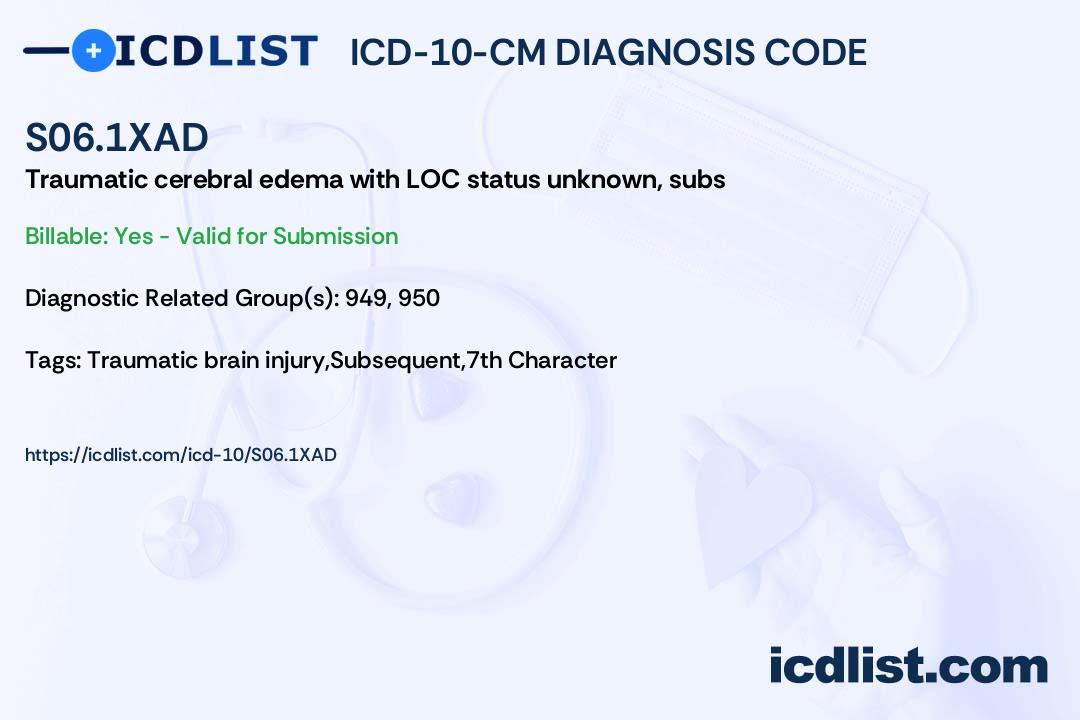
Cerebral edema, which represents fluid buildup within the brain tissue, is coded under G93.6 rather than the R60 series. This is a critical distinction for neurology and emergency medicine documentation.
Clinical Documentation Improvement (CDI) Best Practices
Accurate medical coding starts with robust clinical documentation. Providers can significantly reduce billing errors and audit risks by including specific details in their chart notes.
- Specify the anatomical location: Note whether the swelling affects the left ankle, right hand, bilateral lower legs, or face.
- Document laterality: Many musculoskeletal and circulatory codes require right, left, or bilateral designations.
- Identify the underlying cause: Clarify if the swelling is due to heart failure, medication side effects, trauma, venous stasis, or lymphedema.
- Describe the clinical characteristics: Document whether the swelling is pitting, non-pitting, acute, or chronic.
Common Coding Pitfalls to Avoid
When assigning codes for fluid retention, medical coders frequently encounter specific traps. Avoiding these mistakes ensures cleaner claims and better patient tracking.
First, do not code a symptom (like R60.0) as the primary diagnosis when a definitive underlying systemic disease (such as decompensated heart failure) is already established and accounts for the symptom. Review the tabular list instructions for inclusion and exclusion notes.
Second, pay close attention to combination codes. For instance, if a patient presents with hypertension and heart failure resulting in pulmonary fluid accumulation, specific codes within the I-chapter take precedence over general symptom codes.
Summary
Mastering the correct icd 10 code edema selection relies on careful reading of clinical charts, understanding the difference between generalized (R60.0) and localized (R60.1) presentations, and identifying specific underlying pathologies like venous insufficiency or lymphedema. By focusing on anatomical specificity and clinical clarity, healthcare teams can ensure accurate coding, streamlined reimbursement, and high standards of patient care documentation.