ICD 10 Right Foot Abrasion Diagnosis Guide
Accurate medical coding is essential for patient records, clinical communication, and proper insurance reimbursement. When a patient presents with a scrape on their lower extremity, utilizing the correct ICD 10 right foot abrasion diagnosis guide ensures the injury is categorized precisely. Abrasions are common superficial injuries caused by friction against a rough surface, but assigning the correct code requires clinical attention to details such as laterality, initial versus subsequent encounter, and the presence of infection.

This guide breaks down the essential coding structures, clinical definitions, and documentation requirements needed to select the most accurate ICD-10-CM code for a right foot abrasion.
Understanding the ICD-10 Classification for Foot Abrasions
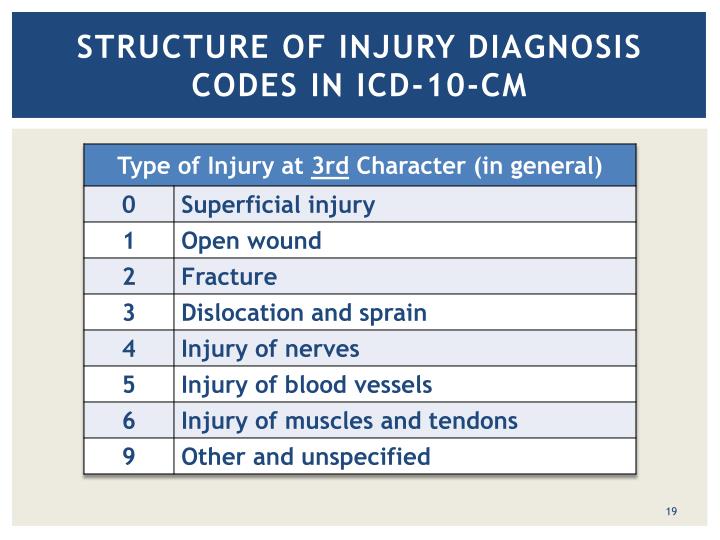
In the ICD-10-CM coding manual, abrasions are generally classified under Chapter 19: Injury, poisoning, and certain other consequences of external causes (codes S00–T88). Specifically, superficial injuries to the ankle and foot fall under the S90 category.
To capture a right foot abrasion accurately, coders and clinicians must navigate a specific alphanumeric hierarchy. The base code represents the anatomical site, while mandatory seventh characters define the episode of care.
Anatomical Breakdown of Foot Injuries
Before assigning a code, you must determine the exact location of the superficial injury on the foot. The S90 category distinguishes between various superficial foot structures:
- S90.4: Superficial injury of toe(s)
- S90.8: Other superficial injuries of ankle and foot
- S90.9: Unspecified superficial injury of ankle and foot
For a general abrasion located on the right foot (not restricted solely to the toes), coders typically look to subcategory S90.81 (Abrasion of ankle and foot).
The Complete ICD-10 Code Set for Right Foot Abrasion
Because ICD-10 requires high specificity regarding laterality, a right foot injury uses a specific digit to denote the right side. The standard code for an abrasion of the right foot without foreign body is generally found under code S90.811.
To complete the medical code for billing and electronic health records, a seventh character must be appended. Here is how the seventh character extensions break down for code S90.811:
- A - Initial encounter: Used while the patient is receiving active treatment for the abrasion (e.g., initial evaluation, wound cleansing, debridement, and initial dressing).
- D - Subsequent encounter: Used during the recovery phase when the patient is receiving routine care while the injury heals (e.g., suture or dressing changes, routine follow-up exams).
- S - Sequela: Used for complications or conditions that arise as a direct result of the abrasion long after the initial injury has healed (e.g., chronic scarring or persistent localized pain).
Therefore, a complete initial encounter code for a right foot abrasion is typically S90.811A.
Coding Scenarios and Clinical Documentation Tips
To support the chosen ICD-10 code, clinical documentation must be precise. Vague chart notes lead to rejected insurance claims and inaccurate epidemiological data. Follow these best practices when documenting a right foot abrasion:

1. Specify Laterality
Always explicitly document whether the injury is on the left foot, right foot, or bilateral. In ICD-10, code sets vary based on laterality (digit '1' typically designates the right side, while '2' designates the left).
2. Distinguish Abrasion from Other Superficial Injuries
An abrasion is a friction scrape where the epidermis is damaged. Ensure the provider does not confuse it with a contusion (bruise), blister, or laceration (cut). Each of these clinical entities maps to different subcategories within the S90-S99 ranges.
3. Note Foreign Bodies
If the right foot abrasion contains embedded dirt, gravel, glass, or other debris that requires removal, the code selection changes. For instance, code S90.821 is designated for an abrasion of the right foot with a foreign body (initial encounter would be S90.821A).
4. Document the Encounter Phase Accurately
The distinction between an 'A' (initial) and a 'D' (subsequent) seventh character trips up many administrative workflows. Remember that 'initial' does not merely mean the first time the patient saw *a* doctor; it means the patient is still in the active, acute phase of treatment for that specific injury.
Secondary Codes and Complications
While a simple right foot abrasion is straightforward to code, complex cases may require secondary diagnoses. Consider the following clinical additions:
- Infection: If the abrasion becomes infected, a secondary code from the T81.4 series (Infection following a procedure) or localized skin infection codes (such as cellulitis, L03.115) should be added.
- External Cause Codes (V00–Y99): Many healthcare facilities and public health entities require external cause codes to explain *how* the abrasion occurred (e.g., tripping on a sidewalk, stepping on a sharp object outdoors). While not always mandated by every private payer, including these adds valuable clinical context.
Summary Checklist for Medical Coders
Before finalizing your claim or EHR entry for a patient presenting with this injury, run through this quick verification checklist:
- Is the injury strictly an abrasion (friction scrape)?
- Is it located on the right foot (not just an isolated toe or the ankle joint)?
- Is there a foreign body present, or is it clean?
- What is the current phase of treatment (initial active care, routine follow-up, or late-effect sequela)?
By verifying these four clinical variables against the ICD-10-CM manual, you ensure compliance, accuracy, and streamlined reimbursement for the right foot abrasion diagnosis.


.png)