Icon Pilots Salary Exposed: The $35M+ Truth
When people think about the aviation industry, they picture glamorous lifestyles, global travel, and captains steering massive wide-body jets through the clouds. However, public curiosity often hits a fever pitch when discussing the absolute top tier of earners. If you have ever wondered how much do icon pilots really make?, you are not alone. Internet forums, aviation blogs, and financial news outlets frequently buzz about legendary pilot compensation packages that seemingly defy standard corporate logic.

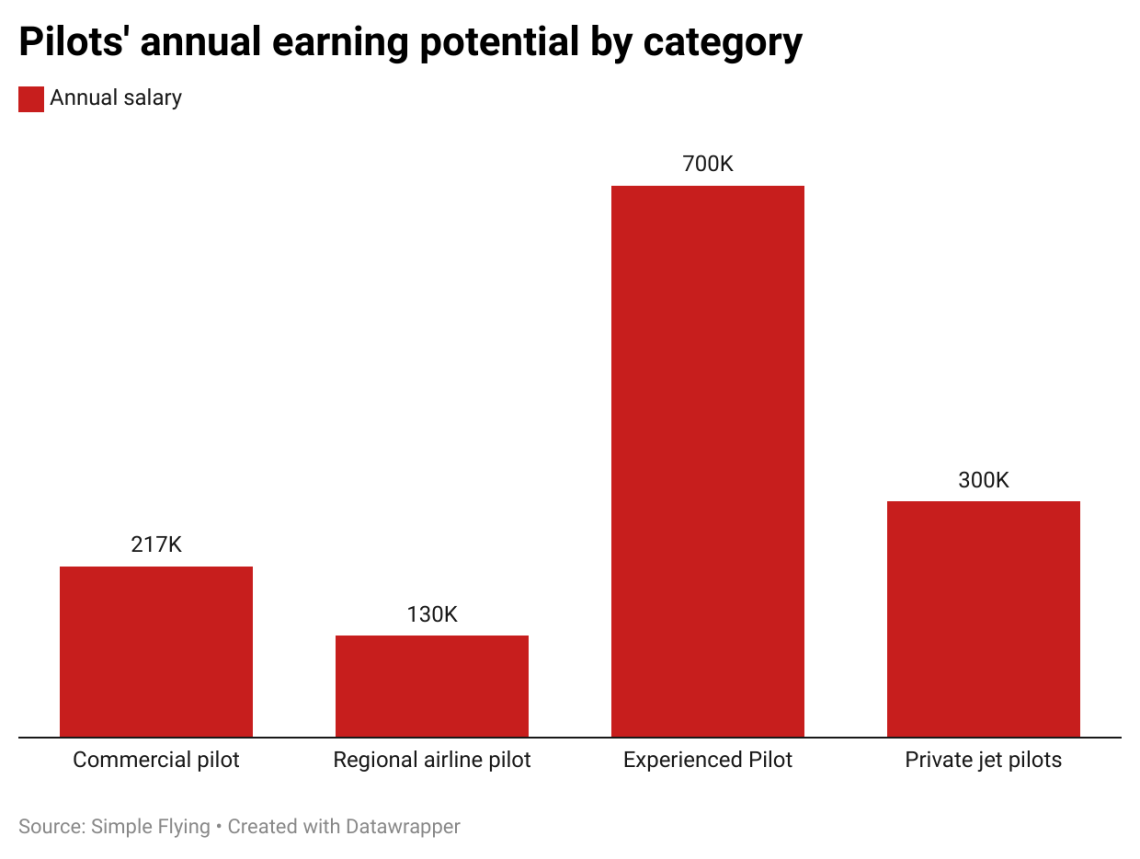
While standard airline captains make a very comfortable living—often between $200,000 and $400,000 per year at major US carriers—a select group of elite aviators command jaw-dropping fortunes. In this deep dive, we separate aviation myths from financial reality, breaking down how high-level contract negotiations, private equity, and specialized commercial operations create staggering payouts.
Understanding Airline Pilot Pay Scales
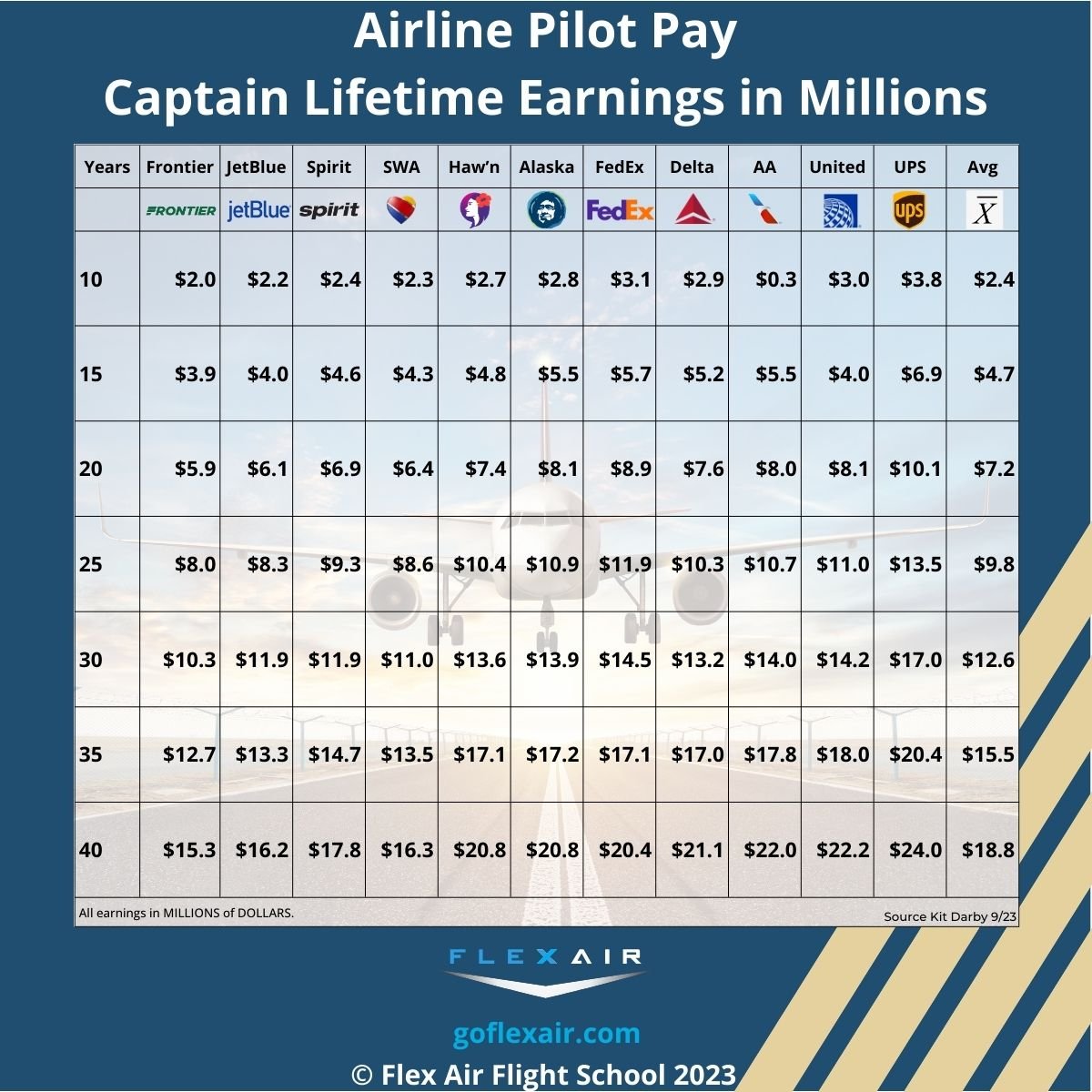
Before examining the outliers who rake in millions, it helps to understand how traditional pilot compensation works. Major commercial airlines operate on strict, seniority-based pay scales. A pilot's hourly rate increases every year they remain with the company, up to a specific cap—usually reached around year 10 or 12.
- First Officers (Co-Pilots): Generally start around $90 to $150 per hour, scaling up to over $200 per hour at major network carriers.
- Captains: Senior captains flying wide-body aircraft (like the Boeing 777 or Airbus A350) can easily make $300 to $450+ per hour.
- Guaranteed Hours: Most airline contracts guarantee a minimum number of paid hours per month (typically around 75), even if the pilot flies less.
Despite these high figures, a standard airline career rarely yields a multi-million dollar annual paycheck. So, where do the massive figures come from?
Where the Rumors Come From: The $35M+ Figure
The headline-grabbing figures, including rumors of $35M+ net salaries or total compensation packages, usually do not come from flying commercial airliners for Delta or United. Instead, these numbers originate from a combination of unique circumstances in corporate aviation, private jet management, startup equity, and high-stakes legal or retention bonuses.
Private Aviation and Ultra-High-Net-Worth Individuals
Flying for ultra-high-net-worth individuals (UHNWIs) or heads of state is a completely different world than commercial aviation. Chief pilots managing private fleets for billionaires or tech moguls often negotiate bespoke employment contracts.
In rare instances involving corporate leadership buyouts, retention packages, or dual roles as aviation executives, total compensation can skyrocket. When a pilot's contract includes performance bonuses tied to company valuation, stock options, or the sale of private fleets, their net earnings for a single year can easily breach tens of millions of dollars.

The Role of Stock Options and Equity
A true base salary of $35 million in cash does not exist for a standard pilot role. However, total compensation packages that cross the $35M mark almost always involve equity. When private aviation startups, urban air mobility (UAM) companies, or private jet networks go public or undergo massive funding rounds, key early pilots or chief aviation officers holding founder-tier stock options see their net worth explode.
Factors That Drive Elite Aviation Earnings
If you want to reach the absolute upper echelon of aviation earnings, flying a standard route for a commercial airline is usually not the path. The highest earners typically share a few specific career traits.
- Executive Responsibilities: Many top earners do not just fly; they manage entire aviation departments, handling multi-million dollar aircraft acquisitions, maintenance budgets, and safety compliance.
- Crisis Management & Specialized Skills: Pilots certified to fly rare, ultra-long-range business jets (like a Gulfstream G800 or Bombardier Global 7500) into challenging, restricted airports command a massive premium.
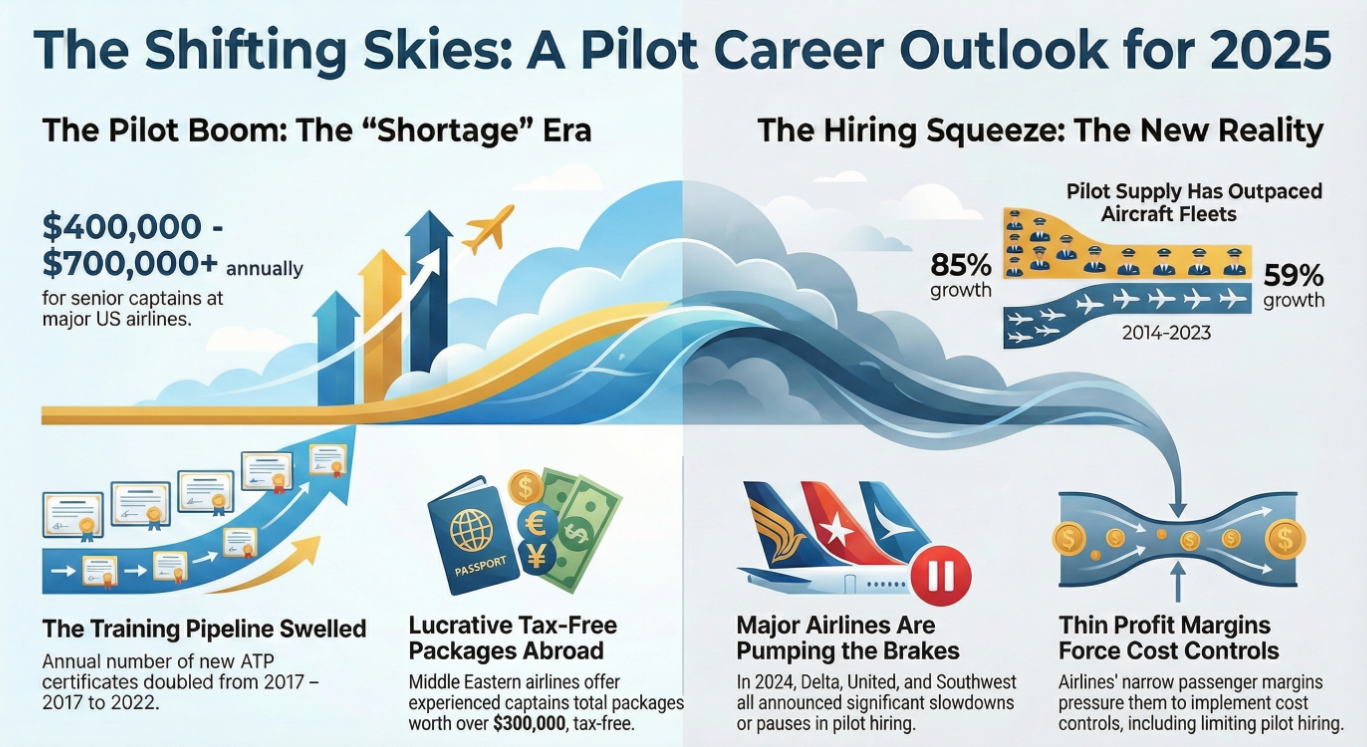
- Retention Bonuses: Amid ongoing pilot shortages, major airlines and private firms have introduced massive signing and retention bonuses to keep top talent from jumping ship to competitors.
The Reality Check: Gross Salary vs. Net Wealth
When evaluating high earner claims, it is crucial to distinguish between gross annual income, net salary, and total wealth accumulation. Aviation is a capital-intensive career. Training costs hundreds of thousands of dollars, and maintaining commercial licenses, medical certifications, and type ratings requires continuous investment.
Furthermore, taxation on high-income earners in major aviation hubs significantly reduces take-home pay. While the idea of a pilot walking away with a $35M net salary makes for incredible headlines, it represents the absolute 0.01% anomaly in the industry—typically tied to entrepreneurial ventures, equity windfalls, or managing elite private assets rather than pulling the yoke on a standard flight deck.
Conclusion
So, how much do icon pilots really make? While the average commercial airline captain enjoys a well-earned, highly stable upper-middle-class to wealthy lifestyle, the staggering $35M+ figures are the exception, not the rule. They belong to a secretive world of corporate aviation executives, equity stakeholders in private aerospace startups, and personal captains to the global ultra-wealthy. For the everyday aviator, the job remains an intensely demanding, highly respected profession that pays well—even if the multi-million dollar stock windfalls remain Hollywood-rare.