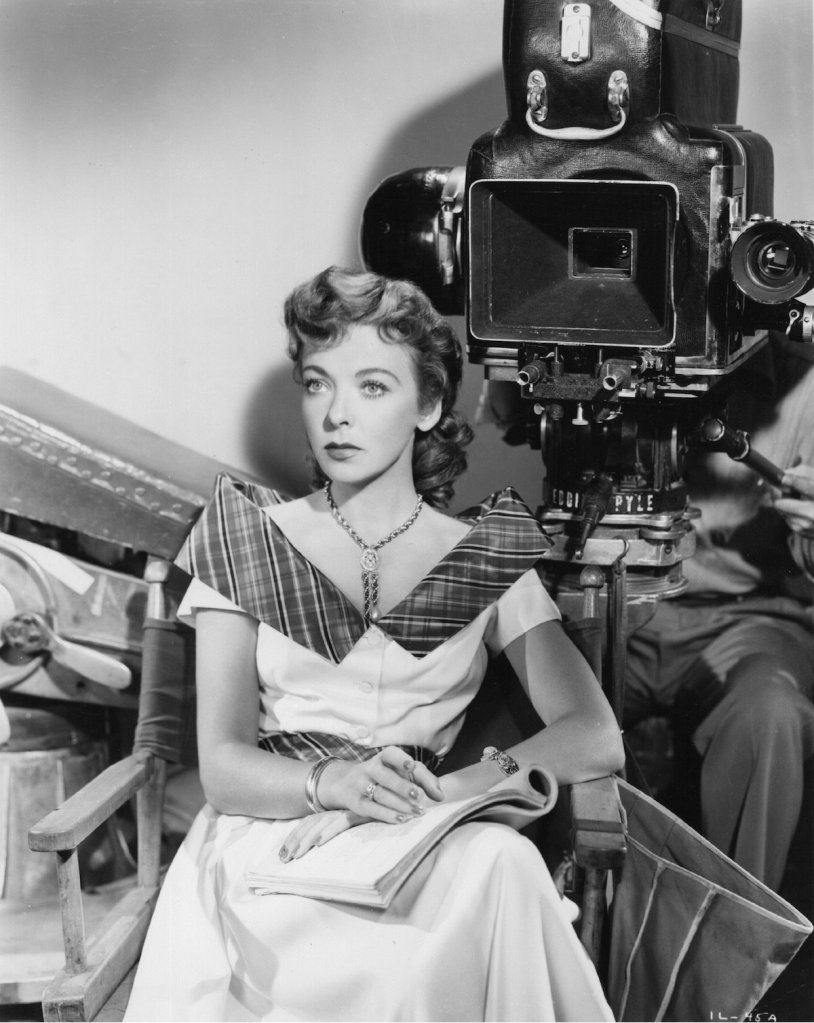
Ida Lupino’s Net Worth Impact: Her Hollywood Legacy
Introduction to a Cinematic Pioneer

When classic Hollywood remembers its golden era, the conversation usually centers on glamorous starlets and powerful studio moguls. Yet, few figures broke barriers quite like Ida Lupino. As an actress, writer, and the sole female film director working in 1950s Hollywood, Lupino carved out a fiercely independent path. Decades after her passing in 1995, film historians and economists alike often look back at Ida Lupino’s net worth impact to understand how a trailblazing independent career translated into financial terms at the end of her life.
Unlike contemporary studio-contract stars who accumulated vast real estate empires and corporate portfolios, Lupino’s financial reality reflected the unpredictable nature of independent filmmaking. Examining what she left behind reveals a fascinating story of artistic survival, shifting industry valuations, and a cultural capital that far outstripped her bank account.
The Financial Realities of Golden Age Hollywood
To understand Lupino's financial standing, one must look at the economic structure of the studio system during her peak years in the 1940s and 1950s. While she commanded respectable salaries as a dramatic actress for Warner Bros., her decision to step behind the camera fundamentally changed her financial trajectory.
Acting Salaries vs. Directing Costs
During her time as a top-tier contract player, Lupino earned a comfortable living, starring alongside Humphrey Bogart in High Sierra and alongside John Garfield in The Sea Wolf. However, studio contracts heavily favored the studios, limiting how much independent wealth an actor could accumulate.
When she and her then-husband, Collier Young, formed The Filmakers in 1949, they chose to produce low-budget, socially conscious independent films addressing taboo subjects like bigamy, rape, and polio. While critically acclaimed, these pictures operated on razor-thin margins. Consequently, Ida Lupino’s net worth impact at the box office was measured more in cultural influence than immediate commercial blockbusters.
Evaluating the Estate Left Behind
When Ida Lupino passed away on August 3, 1995, at the age of 77, her estate did not mirror the multi-million-dollar fortunes of Hollywood royalty like Mary Pickford or Bing Crosby. Instead, her assets reflected a modest, working-artist lifestyle combined with valuable intellectual property.
Video: M*rder, Sl*ttiness & A Twisted Foursome - Ida Lupino's Fall | Remember Hollywood

- Real Estate: Lupino lived a relatively private, unpretentious life in Los Angeles. Her residential holdings were modest compared to the sprawling estates of Beverly Hills.
- Residuals and Royalties: A significant portion of her estate's long-term value came from her extensive television directing credits. In the 1960s and 1970s, Lupino directed episodes of iconic shows like The Twilight Zone, Gilligan’s Island, The Fugitive, and Bewitched.
- Intellectual Property: Rights to her independent film catalog, including The Hitch-Hiker and The Bigamist, provided steady, albeit modest, licensing streams to film archives and academic institutions.
How Hollywood Revalued Her Contribution Posthumously
While the physical monetary value of Lupino’s estate at her death was relatively modest—estimated by various entertainment biographers to be in the low hundreds of thousands of dollars—her posthumous value exploded. In the decades following her passing, the industry began to correct its historical oversight of female filmmakers.
The Rise in Academic and Cultural Capital
Hollywood studios and independent distributors realized the immense educational and historical value of Lupino's work. Film preservation societies, led by organizations like the UCLA Film & Television Archive, worked tirelessly to restore her movies. This resurgence brought about several financial impacts:
- Home Video and Streaming Licensing: Criterion Collection and other boutique home video labels released restored editions of her directorial work, generating new revenue streams for her estate and copyright holders.
- Documentary Features: Her life became the subject of numerous cinematic retrospectives, cementing her status as an auteur and driving renewed interest in her written memoirs and screenplays.
- Corporate Philanthropy and Grants: Modern Hollywood foundations frequently use Lupino’s name and legacy to fund grants for emerging female directors, turning her historical struggle into financial fuel for the next generation.
Comparing Lupino to Her Contemporaries
When analyzing wealth in classic Hollywood, context is everything. Male directors of her era, such as Nicholas Ray or Don Siegel, often transitioned into high-budget studio blockbusters, accumulating substantial generational wealth. Lupino, constrained by systemic sexism in the industry, was largely relegated to television work in the latter half of her career.
However, her financial footprint should not be judged solely by asset accumulation. Lupino invested her own money into her productions, frequently risking her personal savings to keep independent projects afloat. This willingness to gamble her own capital demonstrates a profound dedication to her craft that went far beyond mere profit-seeking.
Conclusion: A Legacy Beyond the Balance Sheet
Ultimately, looking at Ida Lupino’s net worth impact requires a shift in perspective. If measured strictly by dollars and cents, her estate was modest for a star of her magnitude. Yet, Hollywood's ongoing reckoning with diversity, inclusion, and film history has dramatically elevated her stock.
Today, Ida Lupino is recognized not just as a talented actress, but as a pioneering auteur whose financial sacrifices paved the way for modern women in film. Her true Hollywood legacy isn't found in a bank account, but in the enduring power of the frames she captured both in front of and behind the camera.