Idaho Missing Persons: Families Fighting for Answers
When someone vanishes, the immediate aftermath is defined by frantic searches, yellow police tape, and media alerts. But as the weeks turn into months, and the months into decades, the headlines fade. For the loved ones left behind, however, the search never stops. In the Gem State, the reality of Idaho missing persons cases represents a heavy, ongoing burden carried by families who refuse to let the world forget their names.
Idaho’s vast and rugged landscape—spanning dense mountain ranges, roaring rivers, and remote desert terrain—presents unique challenges for law enforcement and search-and-rescue teams. While these geographic features make the state a haven for outdoor enthusiasts, they can also become the final, hidden resting place for those who go missing. Despite the odds, resilient advocacy groups, dedicated detectives, and persistent family members continue to push for answers.
The Reality of Idaho Missing Persons Cases
According to state and national databases, hundreds of individuals remain unaccounted for in Idaho at any given time. These cases range from vulnerable children and teenagers to hikers who vanished in the backcountry and adults who disappeared under suspicious circumstances. Each file represents a fractured family waiting for closure.
Law enforcement agencies rely heavily on public assistance to generate new leads, particularly in cold cases where physical evidence is scarce. Technological advancements, such as familial DNA testing and genealogical databases, have breathed new life into investigations that stalled decades ago. Yet, technology is only as effective as the people driving it—and the driving force behind most solved cold cases is a family refusing to stay silent.
High-Profile Disappearances That Stunned the State
Several cases have captured national attention, putting a spotlight on the intricacies of investigations in the region:
- DeOrr Kunz Jr.: The toddler vanished in 2015 during a camping trip in the rugged Lemhi County mountains. Despite massive multi-agency searches, no trace of the young boy has ever been found, leaving his family to relentlessly question the narrative of that fateful weekend.
- Nick Isaak: Disappearing under mysterious circumstances, cases involving adults often struggle to maintain the same public urgency as those involving children, prompting families to hire private investigators and manage social media campaigns independently.
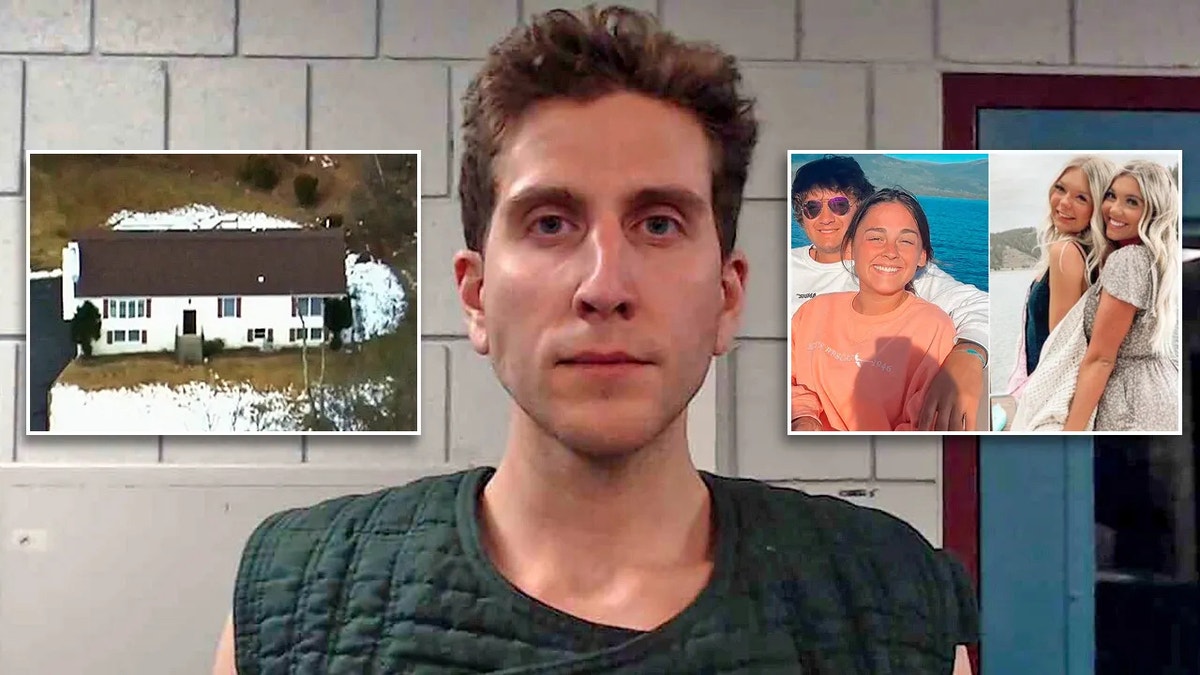
- The Latah County Cases: While recent high-profile tragedies in Moscow, Idaho, were swiftly brought into the legal system, older historical disappearances in the surrounding rural counties still languish in the files of county sheriff departments.
How Families Keep the Search Alive

When official investigations slow down due to a lack of resources or new leads, families often take matters into their own hands. Keeping the memory of a missing loved one alive requires emotional endurance, financial sacrifice, and strategic organization.
Loved ones utilize several grassroots methods to fight for visibility:
- Social Media Campaigns: Dedicated Facebook pages, Instagram accounts, and TikTok hashtags help push missing person flyers into algorithms, reaching thousands of potential witnesses across state lines.
- Billboard and Flyer Initiatives: Families pool their savings or rely on community fundraisers to rent billboards along major Idaho highways, such as I-84 and US-95, displaying age-progressed photos and tip hotline numbers.
- Pressuring Legislation: Families advocate for policy changes, such as improved inter-agency communication, better funding for forensic testing, and the establishment of dedicated cold case units within the Idaho State Police.
The Emotional Toll of Ambiguous Loss
Psychologists refer to the disappearance of a loved one as "ambiguous loss." Unlike a traditional passing, there is no funeral, no grave to visit, and no final chapter. Families live in a permanent state of limbo, cycling between hope and despair.
Support groups and advocacy networks play a crucial role in helping families cope with this unique trauma. Organizations across the Pacific Northwest connect relatives of the missing, providing a safe space to share resources, coordinate search efforts, and lean on one another during painful anniversaries and holidays.
How the Public Can Help Bring Them Home
Solving these mysteries requires a collaborative effort between the community, media, and law enforcement. Everyday citizens can play a vital role in bringing resolution to these grieving families.
- Share Verified Information: Share official missing person flyers on social media, especially if you live, work, or travel frequently through Idaho.
- Review Cold Case Databases: Spend time browsing the Idaho State Police missing persons database or NamUs (National Missing and Unidentified Persons System) to familiarize yourself with unsolved local cases.
- Submit Anonymous Tips: If you have information regarding an old disappearance—even if it seems insignificant—contact local law enforcement or Crime Stoppers. A detail you think is minor might be the missing piece of a decades-old puzzle.
The road to justice and closure is often long and winding, but as long as families continue to speak out, the truth remains within reach. The collective determination surrounding Idaho missing persons serves as a powerful reminder that love does not fade with time, and hope refuses to be buried.