IL State Employee Salary: Pay Scales & Search Guide
Whether you are considering a career in public service or simply curious about how public tax dollars are spent, understanding the baseline il state employee salary is an important piece of the puzzle. Because state government employees are funded by taxpayers, public payroll records in Illinois are entirely open to the public under state transparency statutes.
Illinois employs tens of thousands of workers across executive agencies, universities, regulatory boards, and the judicial branch. From highway maintainers and correctional officers to high-level policy directors and medical faculty, compensation varies dramatically. This guide breaks down how the Illinois state pay structure operates, where to look up official salaries, and what benefits round out the total compensation package.
How Illinois Determines State Government Pay
Illinois does not use a single, flat pay chart for all staff. Instead, employee compensation is primarily administered by the Illinois Department of Central Management Services (CMS). CMS establishes detailed position classifications, salary ranges, and job titles for civil service roles under the jurisdiction of the Governor.
Public sector wages in Illinois typically fall into three broad categories:
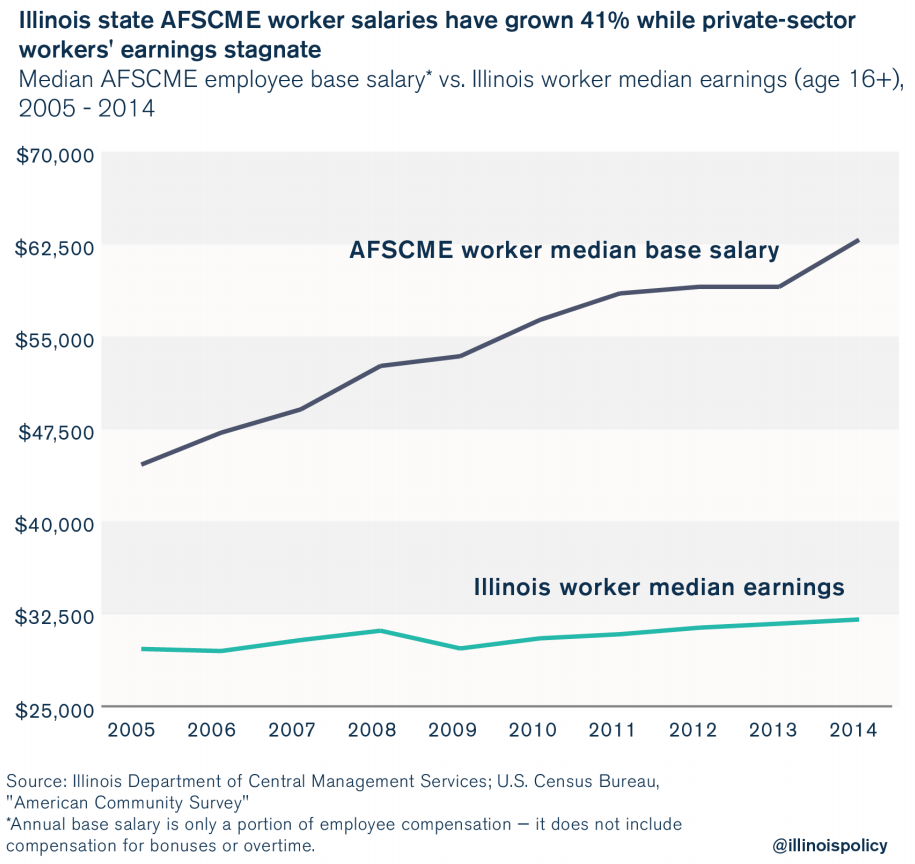
- Bargaining Unit Roles (Unionized): The vast majority of frontline state workers are represented by labor unions, most notably the American Federation of State, County and Municipal Employees (AFSCME) Council 31, the Illinois Nurses Association (INA), and the Teamsters. Their compensation is governed by multi-year collective bargaining agreements outlining defined step increases and cost-of-living adjustments (COLAs).
- Merit Compensation (Non-Union / Management): Supervisors, managers, and specialized administrative staff who are exempt from collective bargaining generally fall under the CMS Merit Compensation Plan. Their pay increases are historically tied to performance appraisals and legislative budgetary allocations.
- Executive & Appointed Officials: Agency directors, commissioners, and constitutional officers have their salaries set by statute or recommended by the Illinois Compensation Review Board.
Factors Influencing an IL State Employee Salary
When reviewing compensation across the state, several distinct variables determine what an individual worker brings home each pay period:
1. Pay Grade and Step Progression
For union-represented staff, positions are assigned a specific salary grade (e.g., Grade 12, Grade 18). Each grade contains predetermined "steps." As an employee gains tenure, they generally move up one step per year until they hit the maximum step for their grade, after which they only receive negotiated across-the-board wage increases.
2. Overtime and Shift Differentials
Certain departments—particularly the Illinois Department of Corrections (IDOC), the Illinois Department of Transportation (IDOT), and the Illinois State Police (ISP)—rely heavily on overtime. For security staff and highway maintainers responding to winter storms or staff shortages, overtime and premium pay can substantially increase an individual's gross earnings well above their base salary.
3. Geographic Cost Adjustments
While the state maintains standardized baseline scales, some professional classifications or regional office postings factor in specialized adjustments or higher initial steps to attract qualified talent in high-cost-of-living areas such as Cook County and the greater Chicago metropolitan area.
4. Educational Attainment and Licensure
Positions requiring specialized certifications or advanced degrees—such as certified registered nurse anesthetists, civil engineers, clinical psychologists, and public health administrators—enter the state salary system at significantly higher base grades than non-technical entry-level positions.
How to Search the Illinois State Employee Salary Database
The state maintains clear online portals where any citizen can view public payroll information down to the cent. The primary resource is maintained directly by the Illinois Office of the Comptroller.
Using the Illinois Comptroller's "The Ledger"

The Illinois Comptroller provides a transparency database known as The Ledger. It is updated frequently and lists base pay, overtime, and total year-to-date gross pay for every employee on the state payroll.
- Navigate to the Illinois Comptroller's official transparency portal (The Ledger).
- Select the State Payroll or Employee Salaries module.
- Filter by the relevant calendar or fiscal year.
- Search by employee last name, or filter results by specific state agency (e.g., Department of Human Services, Department of Revenue, or Environmental Protection Agency).
- View details including agency, job title, position status, and total compensation paid.
Alternative Search Portals
In addition to the official Comptroller portal, non-profit watchdogs and investigative reporting bodies maintain aggregated search engines using FOIA (Freedom of Information Act) data, such as OpenTheBooks and the Better Government Association (BGA) Payroll Database. These third-party databases often make it easy to compare multi-year salary histories across local and state entities.
Average Salaries Across Major Illinois Agencies
Statewide earnings vary widely depending on the agency's primary mission. While entry-level office associates may start between $38,000 and $46,000 annually, experienced specialists and senior administrators earn significantly more.
- Illinois Department of Corrections (IDOC): Correctional officers and shift supervisors generally see base pay starting in the mid-$50,000s, with experienced personnel and overtime opportunities pushing total earnings between $75,000 and $100,000+.
- Illinois Department of Transportation (IDOT): Civil engineers, project managers, and winter maintenance specialists show a wide spread, with technical engineers commonly earning between $70,000 and $115,000.
- Illinois Department of Human Services (IDHS): Employing thousands of caseworkers, mental health technicians, and community program coordinators, base wages typically range from $45,000 to $80,000 depending on caseload specialization and tenure.
- Illinois State Police (ISP): Cadets and sworn troopers advance through structured service ranks. Experienced state troopers, sergeants, and master sergeants regularly report base salaries between $85,000 and $130,000, excluding overtime.
Who Are the Highest-Paid Illinois State Employees?
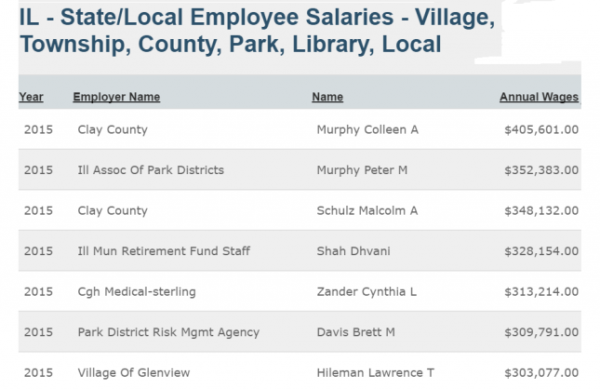
A quick search of the top earners on the Illinois state payroll reveals that executive leadership and university staff top the list. The highest gross salaries in state government do not belong to the Governor or agency directors—whose salaries are capped well below those of corporate executives—but rather to public university staff.
Coaches of major athletic programs at the University of Illinois Urbana-Champaign (UIUC), along with top medical researchers, surgeons at UIC Health, and university system presidents, frequently top the state's payroll list with multi-million-dollar or high-six-figure contracts. Among standard state code agencies, chief medical directors and forensic psychiatrists within the mental health and corrections systems often command the highest civil-service salaries.
The Value of Total Compensation: Beyond Base Salary
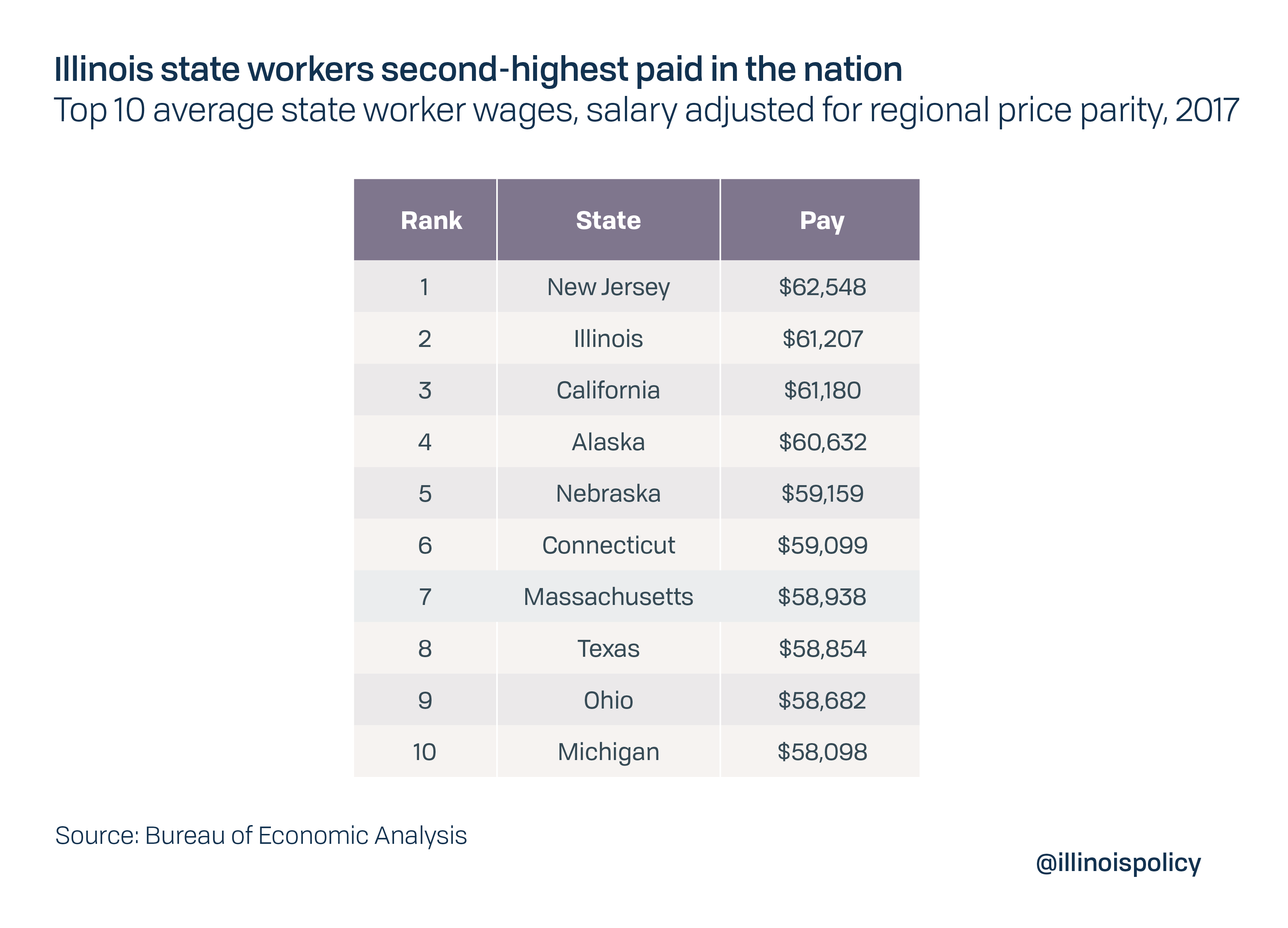
Evaluating an Illinois state employee salary solely on gross base pay leaves out a significant portion of the total economic package. The state offers comprehensive fringe benefits that often surpass those found in private sector roles:
Pension Systems
State employees participate in designated public pension funds instead of, or alongside, Social Security. The State Employees' Retirement System (SERS) covers general agency personnel, while the State Universities Retirement System (SURS) covers university staff, and the Teachers' Retirement System (TRS) serves educators outside Chicago. Although legislative reforms created a "Tier 2" system for employees hired on or after January 1, 2011 (featuring higher retirement ages and capped pensionable earnings), the defined benefit pension remains a cornerstone of state employment.
Health and Life Insurance
The state provides comprehensive healthcare options, including HMO, PPO, and Open Access plans administered via CMS. The employer subsidizes a substantial portion of the monthly health, dental, and vision insurance premiums, providing considerable annual savings for workers and their families.
Paid Leave and Holidays
State staff accrue generous time off packages, including annual vacation days that increase with tenure, personal leave, sick days, and paid observance of major state and federal holidays.
Summary
An Illinois state employee's salary is determined through clear, transparent schedules driven by union contracts, agency budgets, and civil service grades. While entry-level base salaries are modest, steady step increases, potential overtime, strong health insurance, and structured retirement programs make public service in Illinois a stable and competitive career path.