Improve Your Mental Health with Positive Vibes
When life throws daily stressors your way, it is easy to slip into a loop of rumination and negative thinking. While toxic positivity can be harmful, intentionally cultivating a hopeful outlook can radically transform your psychological landscape. Learning how to improve your mental health with positive vibes is not about ignoring reality; rather, it is about training your brain to notice the good, build emotional resilience, and foster inner peace.
Mental health exists on a spectrum, and while clinical interventions are vital for specific conditions, daily lifestyle adjustments play a powerful role in overall wellness. Positive energy—often referred to as 'vibes'—shapes our neurochemistry, hormone production, and behavioral patterns. Let's explore practical, evidence-based methods to harness this energy for a healthier mind.
The Science Behind Positive Energy and the Brain
It sounds like a cliché you might read on a motivational poster, but optimism has a measurable biological footprint. Neuroplasticity, the brain's ability to reorganize itself by forming new neural connections, proves that our habitual thoughts physically alter our brain structure.
When you actively practice gratitude and seek out uplifting experiences, your brain reduces cortisol production and releases 'feel-good' neurotransmitters like dopamine, serotonin, and oxytocin. Over time, this biological shift lowers anxiety, improves sleep quality, and strengthens your immune system. You aren't just changing your mood; you are rewriting your neurology.
Practical Ways to Cultivate Positive Vibes Daily
Shifting your energy does not happen by accident. It requires deliberate daily habits that anchor you in the present moment and protect your mental space. Here are several actionable strategies to elevate your daily routine.
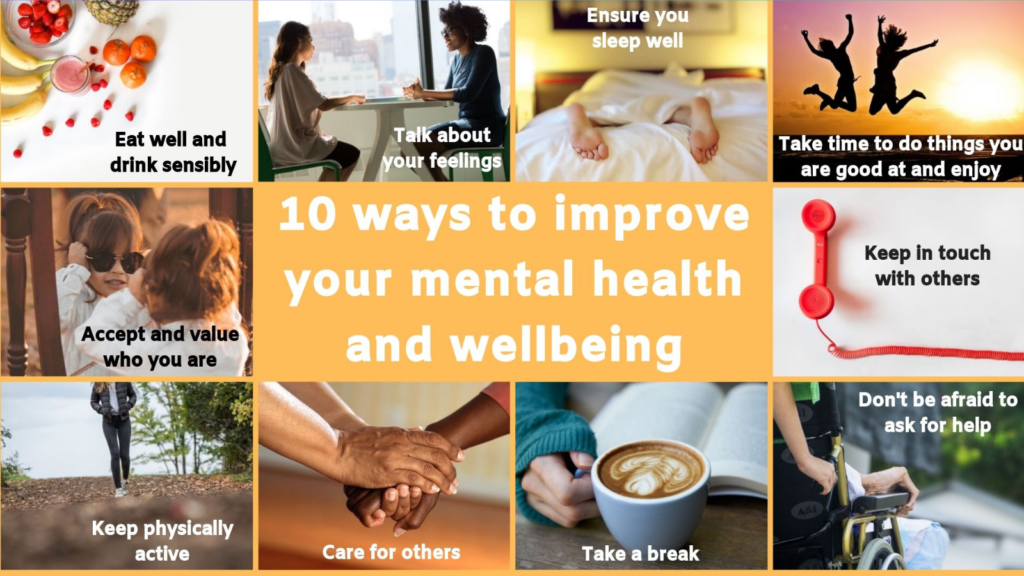
1. Curate Your Environment and Media Diet
Your external environment profoundly influences your internal dialogue. If you spend hours consuming sensationalized news, doomscrolling on social media, or interacting with chronically pessimistic people, your mental health will suffer.
- Audit your digital space: Unfollow social media accounts that trigger feelings of inadequacy or despair. Follow creators who inspire, educate, and uplift you.
- Declutter your physical space: A messy room often mirrors a chaotic mind. Take ten minutes each morning to tidy your workspace or bedroom.
- Choose your circle wisely: Energy is contagious. Spend more time with people who encourage your growth and share an optimistic outlook on life.
2. Start a Targeted Gratitude Practice
Gratitude is the fastest antidote to cynicism. Human beings possess a well-documented 'negativity bias'—an evolutionary trait designed to keep us safe by focusing on threats. Gratitude intentionally overrides this bias.
Instead of keeping a generic gratitude journal, try the 'specific three' method. Every evening, write down three specific, small things that brought you joy during the day. It could be the warmth of your morning coffee, a kind text from a friend, or the way the sunlight hit your living room floor. Specificity forces your brain to pay closer attention to positive stimuli.
3. Move Your Body to Shift Your Energy
Mind and body are inextricably linked. When you feel mentally stagnant, changing your physical state can instantly alter your mental vibe. You do not need to run a marathon to reap the psychological benefits of movement.
- Take a 15-minute brisk walk outside in natural sunlight.
- Dance to your favorite upbeat song in your kitchen.
- Practice 10 minutes of gentle yoga or stretching to release physical tension.
Physical activity stimulates the release of endorphins and lowers systemic inflammation, providing a reliable natural mood boost.
Overcoming the Obstacles to Positivity
Attempting to generate good energy when you are genuinely struggling can feel frustrating or even invalidating. It is important to distinguish between healthy optimism and spiritual bypassing—the practice of using positive platitudes to mask deep emotional pain.
Allow Space for All Emotions
True positivity does not mean suppressing sadness, anger, or frustration. Suppressing difficult emotions often causes them to manifest physically or explode later with greater intensity. Allow yourself to feel what you feel without judgment.
Think of positive vibes as an umbrella, not a forcefield. The rain will still fall, but you will have the tools to navigate the storm without letting it completely soak your spirit. Acknowledge your pain, process it, and then gently guide your focus back toward hope and possibility.
Conclusion: Your Daily Commitment to Mental Wellness
Improving your psychological well-being is a marathon, not a sprint. You will have days where negative thoughts feel overwhelming, and that is entirely normal. The goal is not perfection, but persistence.
By consciously shifting your focus, curating your surroundings, and treating yourself with compassion, you can successfully improve your mental health with positive vibes. Start small today—pick one habit from this list, commit to it for a week, and watch how your inner world begins to transform.