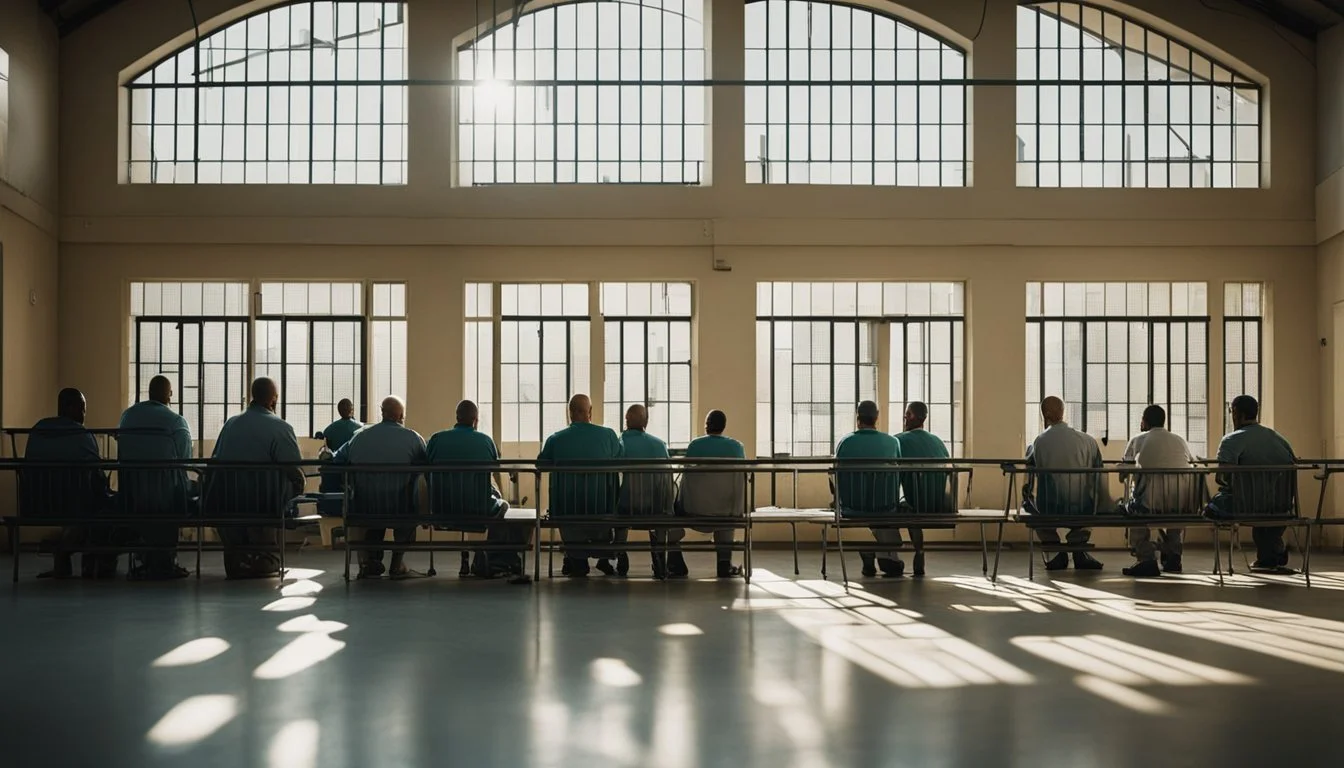
Inside Allenwood Low Prison: Rehabilitation Realities
Introduction to Allenwood Low Prison

Federal Correctional Institution (FCI) Allenwood Low, located in Pennsylvania, is part of the broader Allenwood Federal Correctional Complex. Designed primarily for male offenders convicted of non-violent crimes, white-collar offenses, or those nearing the end of long sentences, the facility projects an image of low-security management and progressive reform. On paper, institutions like Allenwood Low are supposed to serve as incubators for successful reintegration, utilizing educational initiatives, vocational training, and psychological support to ensure inmates leave better equipped for society than when they arrived.
However, looking past the institutional brochures reveals a much more complex picture. When examining Allenwood Low Prison: The Disturbing Truth About Prisoner Rehabilitation, researchers, former inmates, and criminal justice advocates frequently highlight a stark gap between federal policy and daily reality. While the facility provides basic housing and security, structural hurdles often undermine genuine personal and professional transformation.
The Myth of Comprehensive Rehabilitation
The Federal Bureau of Prisons (BOP) routinely emphasizes its commitment to rehabilitation, particularly following the passage of the First Step Act in 2018. This legislation aimed to incentivize inmates to participate in Evidence-Based Recidivism Reduction (EBRR) programs and productive activities in exchange for time credits.
At a facility like Allenwood Low, inmates have access to various classes, ranging from basic adult education and English as a Second Language (ESL) to vocational courses and substance abuse treatment. Yet, the presence of these programs does not automatically translate to effective rehabilitation. Several compounding factors frequently dilute their impact:
- Severe Staff Shortages: Like many federal facilities, Allenwood has faced chronic understaffing. When correctional officers must cover multiple posts, educational and recreational programs are frequently canceled or downsized.
- Outdated Resources: Technology plays a crucial role in modern job readiness. However, restricted internet access and aging computer labs mean inmates often train on obsolete systems.
- High Prisoner-to-Instructor Ratios: Class sizes can swell to unmanageable levels, leaving instructors little time to provide individualized support or mentorship.
Mental Health and Psychological Support Gaps
True rehabilitation requires addressing the root causes of criminal behavior, which often include untreated trauma, substance abuse disorders, and severe mental health challenges. While Allenwood Low maintains psychological services, the depth of care is frequently limited by systemic constraints.
Psychological staff members are often overburdened, managing caseloads that span hundreds of individuals. Consequently, therapy sessions tend to be brief, crisis-oriented, or strictly diagnostic rather than therapeutic. For inmates struggling with deep-seated behavioral patterns or post-traumatic stress, brief group sessions or generic workbook assignments are rarely enough to spark meaningful, lasting change.
Furthermore, the environment of incarceration itself can actively work against psychological well-being. Institutional routines, the constant presence of tension, and separation from family support networks create chronic stress. Without intensive, trauma-informed mental health interventions, many individuals serve their time simply surviving the environment rather than healing from their pasts.
Vocational Training vs. Real-World Employment
Video: fci allen wood medium security federal prison home of 6ix9ine former manager shotti

Employment is widely recognized as the single most important factor in reducing recidivism. If an individual can secure stable, living-wage employment upon release, the likelihood of returning to crime drops dramatically. Allenwood Low offers various work details and vocational training programs designed to build marketable skills.
However, critics argue that these programs often fail to align with the demands of the modern labor market. Work assignments within the prison—such as food service, warehousing, or basic facility maintenance—rarely translate into high-demand civilian careers. While UNICOR (Federal Prison Industries) provides structured manufacturing experience, the number of available slots is limited, leaving a significant portion of the population assigned to menial tasks that offer little professional growth.
Compounding this issue is the enduring stigma of a felony conviction. Even when inmates acquire legitimate skills during their time at Allenwood Low, returning citizens face steep hiring biases, professional licensing restrictions, and housing discrimination that can render their prison-acquired training functionally useless in the outside world.
The Impact of Institutional Culture
The psychological atmosphere inside a low-security federal prison heavily influences how inmates approach their sentences. Although Allenwood Low lacks the overt violence associated with maximum-security penitentiaries, it presents its own psychological challenges.
Institutional culture often encourages emotional detachment, cynicism, and a reliance on survival mechanisms that run counter to successful community reintegration. Trust is difficult to build in an environment governed by strict disciplinary codes and arbitrary rule enforcement. When individuals spend years navigating a system that emphasizes compliance over personal accountability, they may struggle to adapt to the self-direction required in free society.
Moving Toward Genuine Reform
Improving outcomes at facilities like Allenwood Low requires a fundamental shift in how the criminal justice system defines and measures success. True rehabilitation cannot be reduced to checking compliance boxes or tracking program completion rates on a bureaucratic spreadsheet.
Meaningful reform demands sustained investment in several key areas:
- Expanded Mental Health Infrastructure: Lowering caseloads for psychological staff and implementing evidence-based trauma therapies.
- Modernized Education: Updating vocational curricula to match current economic trends, including digital literacy and modern trade skills.
- Stronger Reentry Partnerships: Forging direct pipelines between federal institutions and external employers, transitional housing programs, and community support networks.
Conclusion
Allenwood Low Prison operates as a microcosm of the broader American federal correctional system—caught between the theoretical ideals of rehabilitation and the practical realities of mass incarceration. While the facility provides a secure environment and basic program access, structural hurdles, staff shortages, and limited post-release support consistently undermine its rehabilitative mission. Acknowledging these uncomfortable truths is the necessary first step toward building a justice system that prioritizes genuine transformation over mere confinement.